Why Universal HVAC Leads in Residential HVAC Services in Los Angeles
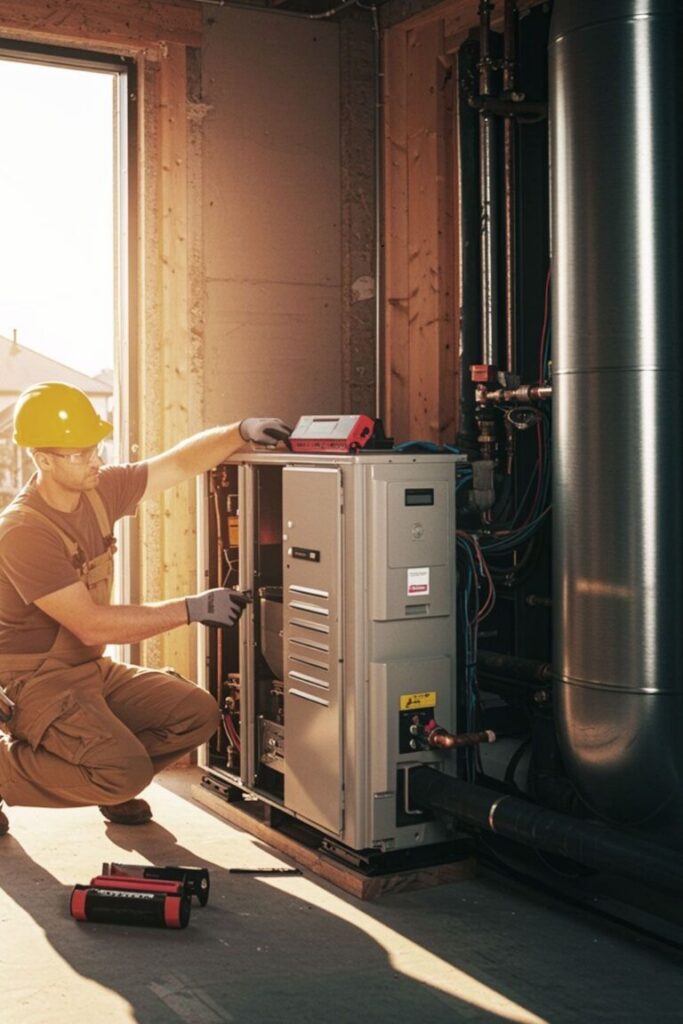
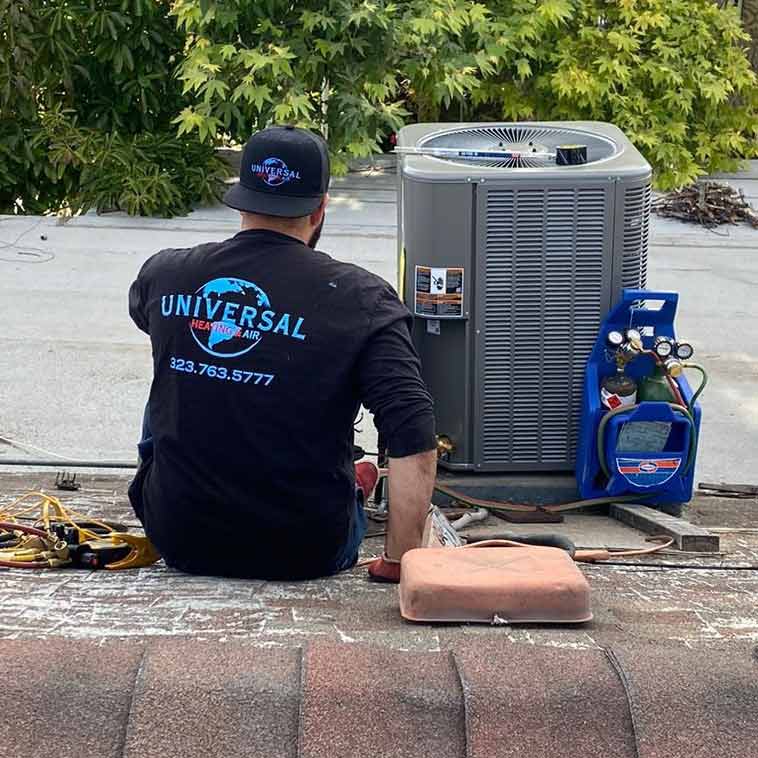
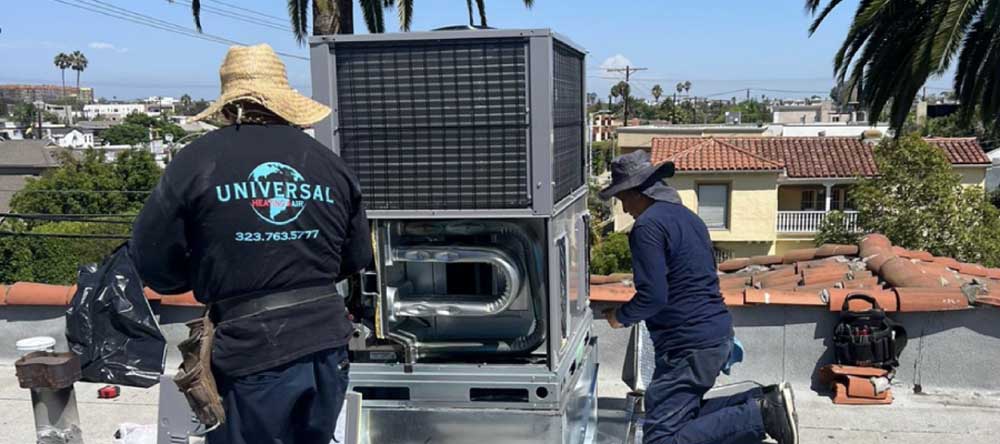
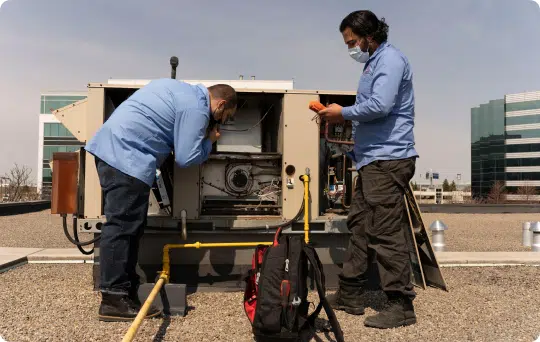
LA homeowners face real challenges keeping their houses comfortable year-round. The summer heat comes on strong. AC units pick the worst times to break down. Heating systems fail right when you need them most. So knowing who to call actually matters. Universal HVAC has built serious credibility all across LA by staying focused on what homeowners actually want. They don’t just patch things up and leave. The team digs into the real work, the kind that keeps systems running strong for years. What Sets Them Apart Universal HVAC handles the full range of residential HVAC services Los Angeles homeowners need. They fix air conditioning units that struggle through brutal summers. They repair furnaces before winter hits hard. They install brand new systems when the old ones finally give up. What makes the difference is how they handle each job. Technicians nail the diagnosis on the first visit. Service calls actually happen on time. Pricing is clear from the start, no hidden charges popping up later. Work gets done right the first time, not rushed. Real Service for Real People Homeowners in Los Angeles go with Universal HVAC because the team actually listens. A broken AC isn’t just annoying. It’s stressful. It wrecks your sleep. It makes the whole house miserable. The crew gets that and treats every job with real urgency. They also handle regular maintenance work. Yearly tune-ups catch small problems before they snowball into expensive repairs down the road. A system that gets checked annually just runs better and lasts longer. That’s not magic, it’s just how things work. Experience Matters Universal HVAC has spent years working throughout LA’s different neighborhoods. Coastal homes need different care than inland properties. Older buildings have outdated systems that need special attention. Newer homes have modern setups that work differently. That kind of range means they’ve probably seen your problem before and know the quick fix. The team keeps up with how equipment changes and what new repair techniques work best. HVAC technology doesn’t stay the same. Staying sharp on those changes means customers get better service. Getting Help When You Need It Calling Universal HVAC is simple and straightforward. Homeowners can pick up the phone, explain what’s going on with their system, and get honest answers back. No pressure. No unnecessary add-ons. Just straight talk about what the house actually needs. Whether something needs a quick repair or a full system replacement, the crew walks homeowners through the options clearly. That way you can make smart decisions about your money and your home. Final Words Los Angeles homeowners stick with Universal HVAC because results speak for themselves. Systems get repaired properly. Service shows up on schedule. Prices stay fair and reasonable. That consistency builds real trust. When your AC or heating system starts acting up, having a dependable number to call takes a huge weight off your shoulders. Universal HVAC earned that trust by doing the work right, time after time. Frequently Asked Questions (FAQs) 1. What residential HVAC services does Universal HVAC provide in Los Angeles? Universal HVAC offers complete residential HVAC services, including air conditioning repair, furnace repair, system installations, and routine maintenance. The team handles everything from minor fixes to full system replacements. 2. Why do Los Angeles homeowners trust Universal HVAC? Homeowners trust Universal HVAC because of consistent service quality, accurate first-visit diagnostics, on-time appointments, and transparent pricing. The company focuses on long-term performance, not quick patchwork repairs. 3. Does Universal HVAC repair both AC and heating systems? Yes, Universal HVAC repairs both air conditioning and heating systems. They service AC units during extreme summer heat and repair furnaces to ensure reliable performance during cooler months. 4. How does Universal HVAC handle HVAC maintenance? Universal HVAC provides regular maintenance and yearly tune-ups to identify small issues before they turn into costly repairs. Proper maintenance helps systems run efficiently and extend their lifespan.
Why Choosing Local HVAC System Installation in Los Angeles Matters for Businesses

When your business needs climate control work, it’s easy to just call the first contractor who picks up. But here’s the thing: that approach usually doesn’t work out. Local expertise actually matters way more than most business owners realize, especially in a sprawling city like Los Angeles, where weather changes and building codes are different depending on where you are. Understanding Your Building’s Specific Needs Here’s what people don’t always think about: every business space is totally different. A warehouse near the coast deals with salt air and humidity that eats away at equipment. Downtown office buildings get hammered by heat bouncing off all that concrete and glass. Retail shops in the valley? They’re basically getting cooked by afternoon sun. One-size-fits-all solutions just don’t work. Local technicians get these regional differences. They know which systems actually handle Los Angeles conditions without constantly breaking down. They understand how your exact location affects how hard your cooling and heating systems need to work. This local knowledge saves you from expensive mistakes later on. Speed and Reliability When You Need It Most Equipment always fails at the worst possible times. When your HVAC system installation Los Angeles goes down during a sweltering summer or freezing winter, your business grinds to a halt. Local teams show up way faster than someone from across town or out of state. They’ll be there the same day. They’ve got common replacement parts sitting in their trucks. They know local suppliers and can grab what you need without weeks of waiting around. Downtime hits your wallet hard. Every hour without proper climate control tanks productivity, makes your customers uncomfortable, and sometimes ruins products. Using nearby service providers means quicker fixes and way less money lost. Building Long-Term Relationships When you work with local professionals, you build real trust over time. They know your space inside and out. They remember what equipment you have and what issues came up before. They can spot problems coming before they actually happen. This is way better than calling random contractors who’ve never seen your building before. Regular maintenance from the same crew catches small stuff before it turns into big, expensive problems. Technicians notice patterns in how your equipment behaves. They suggest upgrades that actually fit what you need. They turn into partners in keeping everything running smoothly. Compliance and Code Knowledge Los Angeles has its own specific building codes and rules. Local installers stay on top of these requirements because they work with them all the time. They get the right permits. They make sure work passes inspections. They handle all the paperwork the way it should be done. Contractors from out of the area sometimes miss local regulations. That creates liability headaches for you. You end up paying once for the wrong work and again to get it fixed the right way. Having local expertise right from the start prevents these kinds of expensive mistakes. Supporting Your Community When you choose local, that money stays in Los Angeles. Local businesses hire local workers. They pay local taxes. They put money back into the community. That matters, not just for getting your climate control work done right, but for the whole area. Final Words Going with nearby climate control professionals pays off in lots of ways. You get faster response times, better understanding of local conditions, stronger relationships with people who know your business, and proper code compliance. Businesses that focus on local expertise end up spending less on emergency repairs and get more reliable comfort all year long. Once you think about what actually matters for keeping operations smooth, the choice is pretty obvious. Frequently Asked Questions (FAQs) 1. Why is long-term maintenance better with a local HVAC contractor?Local technicians become familiar with your building and equipment, allowing them to catch small issues early and recommend upgrades that fit your specific needs. 2. Do local HVAC installers understand Los Angeles building codes?Yes. Local contractors stay current with city regulations, handle permits, and ensure installations pass inspections, helping businesses avoid compliance issues. 3. What risks come with hiring out-of-area HVAC contractors?Non-local contractors may miss local code requirements, leading to failed inspections, costly corrections, and potential liability problems.
Get Your Thermostat Ready for Santa Ana Winds
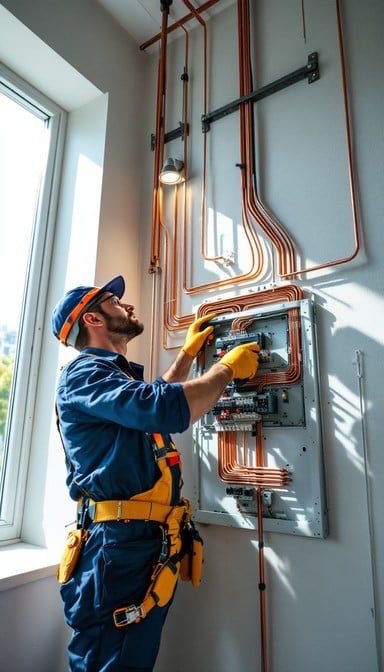
Santa Ana winds hit Los Angeles hard every year, and they’re no joke. Temperatures swing all over the place, and your home’s cooling system gets absolutely hammered. Your thermostat? That’s basically the brain running the whole show. When these winds roll through, you need your thermostat working perfectly. Why Santa Ana Winds Matter for Your System Here’s the thing these winds bring intense heat and bone-dry conditions. Your air conditioning’s running nonstop trying to keep up. Your thermostat’s basically working overtime to maintain some kind of stable indoor temperature. If it’s not working right, your energy bills go through the roof. Even worse, your home stays hot and uncomfortable when you need relief the most. When your thermostat starts acting up, it can’t read temperatures accurately anymore. Maybe it tells your AC to kick on when it shouldn’t, or it stops cooling when things get too warm inside. Either way, you’re dealing with problems that could’ve been totally preventable. Signs Your Thermostat Needs Attention Before Santa Ana season hits hard, keep an eye out for these warning signs: The temperature inside doesn’t match what your thermostat’s showing Your system keeps turning on and off randomly throughout the day You’re noticing some rooms cool down fine while others stay hot The display looks faded, dim, or won’t respond when you adjust it Your energy bill jumped up without any real reason See any of these? Your thermostat probably needs some attention. Catching issues early saves both money and headaches down the road. Getting Thermostat Repair Los Angeles Services Ready Don’t put this off until the heat becomes unbearable. Thermostat Repair Los Angeles Go ahead and schedule maintenance now while you’ve got time. A professional can check whether your thermostat’s actually reading temperatures correctly. They’ll test all the connections and make sure everything’s calibrated properly. Technicians will clean dust and debris buildup from your sensors too. Over time, this stuff piles up and messes with accuracy. They’ll verify your system responds to temperature changes the way it’s supposed to. This prep work really makes a difference when extreme weather shows up. What to Expect During an Inspection A technician will look over your thermostat’s display and buttons carefully. They’ll check battery levels if yours runs on batteries. The wiring gets inspected for any loose connections or corrosion problems. They’ll run tests to make sure your thermostat’s actually talking to your AC unit like it should be. If upgrades could help, professionals will walk you through your options. Newer models give you better accuracy and can help cut energy costs. Some even let you control temperatures from your phone. That kind of flexibility comes in handy during Santa Ana winds when things change super fast. Final Words Santa Ana winds really test every part of your cooling system. Your thermostat sits right in the middle of that whole setup. Getting it serviced before the season kicks off keeps your home comfortable and your bills from going crazy. Reach out and schedule an inspection today. A thermostat that’s working properly means a cooler home when the heat finally shows up.
LA’s Odd Weather and Your HVAC Emergency
You know how Los angles weather can be totally unpredictable, right? One day you’re cranking the AC because it’s blazing hot, and the next day you’re actually reaching for a sweater. These wild temperature swings are rough on your heating and cooling system. And of course, that’s exactly when your HVAC decides to call it quits. Why LA’s Weather Is So Hard on HVAC Systems Here’s the thing our city’s all-over-the-place climate really pushes HVAC equipment to work overtime. Your system’s constantly switching between heating and cooling, which is like asking it to run a marathon every day. What usually happens: Your AC freezes up when temperatures change too fast The heater breaks down after sitting unused for months (because, you know, it’s LA) Thermostats can’t keep up with the dramatic weather shifts Older systems just burn out from all the constant on-off cycling And Murphy’s Law kicks in every time. Your AC dies right when it hits 95 degrees. Or that rare cold snap catches everyone off guard and suddenly your heater won’t work. Red Flags That Mean You Need Help Now If your system starts making weird noises, don’t ignore it. Grinding, squealing, or banging sounds mean something’s seriously broken inside. These aren’t “maybe I’ll deal with it later” situations. Weak airflow is another big warning sign. Maybe your blower motor died, or something’s blocking the system. Either way, you’re about to lose your comfort. Pay attention to strange smells too. Burning odors could mean electrical problems or parts overheating. Musty smells? That’s probably mold growing in your ducts gross and unhealthy. When some rooms feel like an oven while others are freezing, your system can’t distribute air properly anymore. That’s a clear sign something’s wrong. Getting Emergency Help Fast When your HVAC crashes, especially during LA’s temperature extremes, you can’t wait around. Nobody wants to sweat through a weekend or freeze until Monday morning. That’s where emergency hvac repair los angeles services come in. These pros get it they know how our weird weather messes with different types of systems. They show up with the right tools and parts to actually fix things instead of just patching them up. The good repair companies offer 24-hour service because, let’s be honest, your AC doesn’t care if it’s 2 AM on Sunday. They’ll diagnose the real problem instead of guessing, which saves you time and money in the long run. Bottom Line LA’s wild weather isn’t going anywhere, so your HVAC will keep getting tested. But if you catch the warning signs early and know who to call for emergency repairs, you won’t have to suffer through those temperature swings. Your home can stay comfortable no matter what crazy weather hits the city next.
Wildfire Smoke and Your AC: A Los Angeles Homeowners Guide
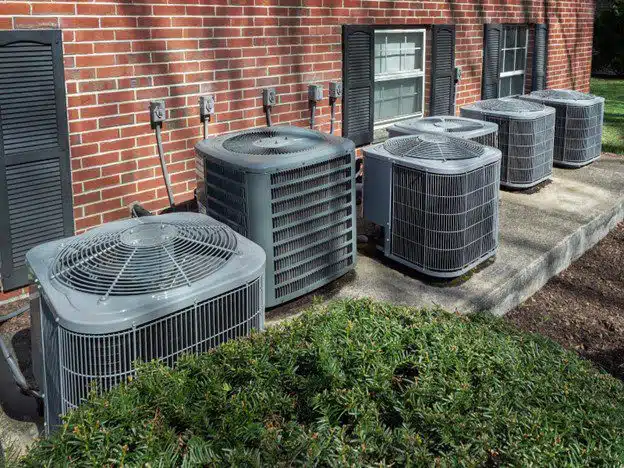
Here’s the thing about living in Los Angeles wildfire season comes back every single year. That thick smoke doesn’t just ruin the view from your window. It actually gets inside your house and messes with your air conditioning system in ways you probably didn’t expect. Your Emergency Air Conditioner Repair Los Angeles wasn’t built to handle those tiny smoke particles that just sail right through regular filters. What Smoke Actually Does to Your AC Smoke particles are ridiculously small. Way smaller than the holes in your regular AC filter, which means they just waltz right through and settle inside your system. After a while, this buildup starts causing real problems. Here’s what happens: Your evaporator coils get coated with this thin layer of ash and soot. Think of it like putting a blanket over your coils – suddenly your system has to work way harder to cool your house. Your electric bill goes up while your house stays warmer than you want. The blower motor starts struggling too when smoke crud builds up on the fan blades. All that extra strain can actually kill the motor, and nobody wants to be without AC when it’s 95 degrees outside. And your ductwork? That gets nasty too. Smoke particles stick to the inside walls of your ducts like glue. This creates the perfect spot for mold and bacteria to grow. Every time your system kicks on, it’s basically spreading that contaminated air all over your house. How to Protect Your System When Fires Hit Smart homeowners don’t wait until the smoke shows up. You want to get ahead of this. Start by swapping out your regular filter for a MERV 13 or higher. These catch way more of those tiny particles. During fire season, you’ll need to change filters more often. That filter that usually lasts three months? You might need to replace it every few weeks when the air gets smoky. A clogged filter makes your system work overtime and lets more junk slip through. Keep your windows and doors shut tight when the air quality tanks. Since your central air system moves indoor air around, stopping outdoor smoke from getting in really helps your filters do their job. By the way, after big fire events, it’s smart to have someone check and clean your ductwork. Smoke residue hangs around in there long after the outside air clears up. When You Need to Call a Pro Some smoke damage can’t be fixed with just a new filter. Watch out for these red flags: Your system runs non-stop but your house still feels warm. This usually means smoke buildup on your evaporator coils is blocking their ability to pull heat out of the air. Weird smells come from your vents even after the outside smoke is gone. That’s a sign you’ve got contamination somewhere in your ductwork or on system parts. Your electric bill jumps up for no obvious reason. A system that’s working overtime because of smoke buildup will definitely use more power. Strange noises from your indoor unit might mean the motor is struggling with particle buildup on the moving parts. Don’t mess around with these problems. Emergency Air Conditioner Repair Los Angeles services are exactly what you need when smoke damage hurts your system’s performance. Professional techs can clean those contaminated coils, check your motors, and figure out if any parts need replacing. Planning Ahead for Future Fire Seasons Fire season isn’t going anywhere in Southern California, so you might as well plan for it. Think about upgrades that’ll help you year after year. A whole-house air purifier works alongside your existing system to grab smoke particles before they reach the sensitive parts. These use way better filtration than what your regular AC filter can handle. Regular maintenance becomes super important when you live in fire country. Those yearly tune-ups should include thorough coil cleaning and checking for any smoke damage. If your current system is getting old, you might want to look at upgrading to something with better filtration. Modern central air systems and heat pumps come with improved indoor air quality features that older units just don’t have. Final Words Wildfire smoke can really mess up your air conditioning and your indoor air quality. Those tiny particles sneak past regular filter and build up on important parts. Simple steps like upgrading filters and getting regular maintenance protect your system and your family’s health. When smoke damage happens, don’t wait to call for professional help.
Installing AC in Historic LA Homes Unique Challenges
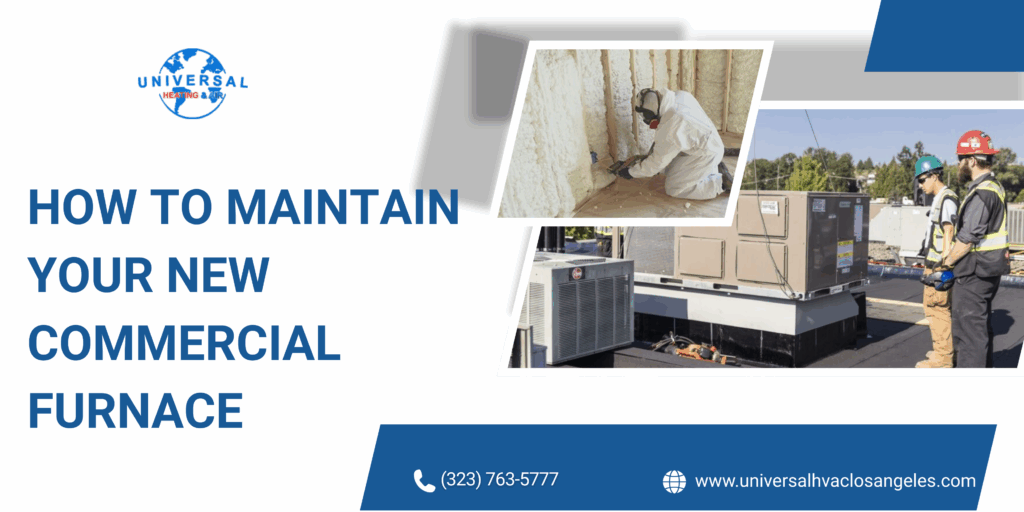
Getting modern cooling systems into old Los Angeles homes? Yeah, it’s not exactly straightforward. These vintage beauties weren’t built with central air in mind, and honestly… that creates a whole mess of complications most homeowners don’t see coming. Why Historic Homes Fight Modern Cooling Old LA houses are gorgeous, but they’re stubborn about upgrades. Built in the 1920s and 30s, these places have thick plaster walls, weird layouts, and zero space planning for ductwork. The electrical systems? Don’t even get me started. Most were designed when people had maybe three appliances total. Now you want to add a power-hungry AC unit? The wiring might need a complete overhaul first. Then there’s the whole preservation thing. Historic districts have rules about what you can and can’t change. Some neighborhoods won’t let you mess with exterior appearances at all. Ductwork Nightmares in Vintage Builds Here’s where things get really tricky. Modern homes have nice, neat spaces between floors and walls for ducts. Historic homes? Not so much. Those beautiful hardwood floors don’t want holes cut through them. The ornate crown molding makes running ducts a puzzle. And forget about crawl spaces half these houses sit right on their foundations. Sometimes installers have to get creative. Really creative. Like running ducts through closets, or building custom chases that blend with the original architecture. It works, but it takes time and costs more. Electrical System Upgrades Most vintage LA homes still rock their original electrical panels. That’s fine for lights and maybe a refrigerator, but air conditioner installation needs serious power. The old 60-amp services won’t cut it. Modern AC units typically need 200-amp service minimum. That means new panels, updated wiring, and permits galore. Plus, older homes often lack proper grounding. Safety codes today require GFCI outlets and grounded circuits throughout. It’s not just about the AC anymore it’s about bringing the whole electrical system up to current standards. Structural Surprises During Installation You never know what’s hiding behind those walls until you open them up. Lead paint, asbestos insulation, knob-and-tube wiring all standard stuff in pre-war construction. The framing might be different too. Modern homes use standard 16-inch stud spacing. Historic homes? They used whatever lumber they had. Sometimes studs are 24 inches apart, sometimes 12. Makes mounting equipment… interesting. And don’t assume the walls are plumb or the floors are level. These houses have settled over decades. What looks straight to the eye might be off by inches when you break out the level. Permit Complications and Code Requirements Historic districts love their paperwork. Regular AC installation permits are just the start. Depending on the neighborhood, you might need approval from historical societies, architectural review boards, or preservation committees. Each group has opinions about what’s acceptable. Current building codes also clash with historic construction methods. Modern codes assume standard wall cavities and modern materials. Trying to meet today’s insulation requirements in a 1925 bungalow gets complicated fast. Working Around Original Architecture The charm of historic homes those high ceilings, thick walls, unique room layouts becomes a challenge during installation. Nine-foot ceilings sound great until you realize modern ductwork needs specific clearances. Those gorgeous exposed beams? They’re right where the main trunk line wants to go. Original hardwood, vintage tile, custom millwork everything’s irreplaceable and in the way. Good installers work around these features, not through them. Final Words Historic LA homes need specialized approaches for modern cooling. The electrical, structural, and regulatory challenges pile up fast. But with experienced installers who understand both old construction and current codes, even the most challenging vintage home can stay cool while keeping its character intact.
Is your LA heating system ready for wildfire season smoke?
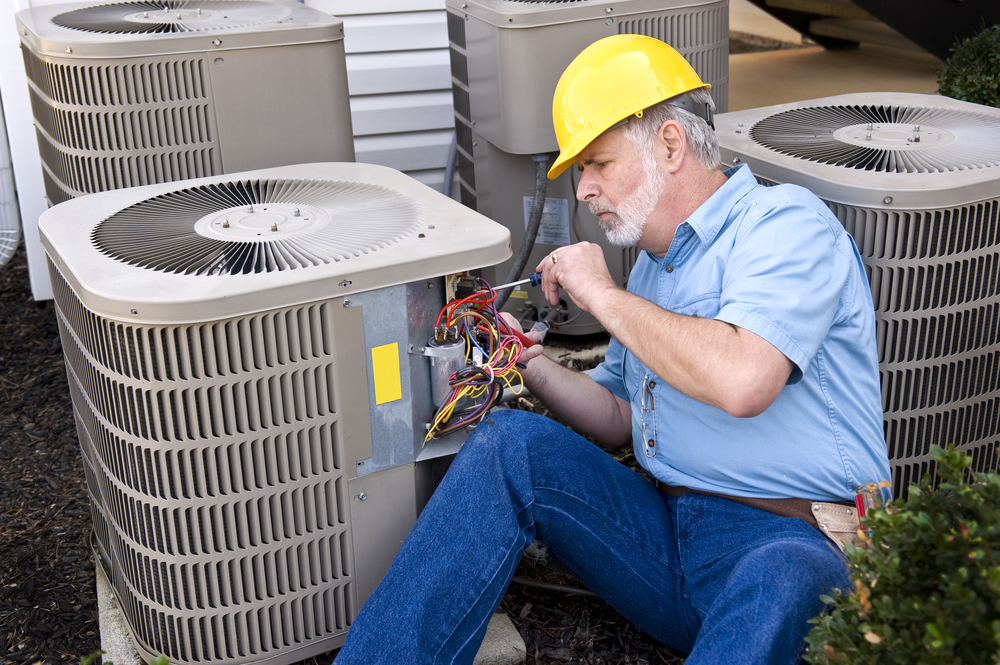
Wildfire season hits Los Angeles hard every year. Smoke drifts through neighborhoods for weeks… sometimes months. Your heating system? It’s probably not ready for what’s coming. Most homeowners don’t think about air quality until they’re coughing indoors. Check your air filters first Okay, so… basic stuff first. When did you last change your air filter? Can’t remember? That’s a problem. During wildfire season, regular filters won’t cut it. You need HEPA filters – the good ones that catch tiny smoke particles. Standard filters let smoke waltz right through. Switch to HEPA and change them every 30 days when smoke gets heavy. Some systems can’t handle thick HEPA filters though. They restrict airflow too much. Check your system’s specs or call someone who knows. Seal up the gaps Your heating system pulls air from… well, everywhere. Leaky ducts suck in smoky air from crawl spaces and attics. Not great when you’re trying to breathe clean air inside. Walk around your house. Feel for air leaks near windows, doors, and vents. That little whistle of air coming through? That’s smoke’s favorite entrance. Weatherstripping helps. So does caulk. But ductwork leaks need professional attention. Heating Services Los Angeles companies can find and seal those hidden gaps you’ll never spot. Your HVAC settings matter more than you think Here’s something most people mess up – they keep their system on “auto” during smoke events. Bad move. Switch to “on” instead of “auto.” This keeps air circulating constantly through your filters. Yeah, it uses more energy. But it also means cleaner indoor air. Close all windows and doors. Turn off exhaust fans in bathrooms and kitchens – they pull smoky outdoor air inside. Your house becomes a sealed box with filtered air. Some newer systems have an “air cleaning” mode. Use it. Time to upgrade your filtration game Standard HVAC filters aren’t built for wildfire smoke. The particles are too small. Consider adding a whole-house air purifier to your system. These work alongside your regular HVAC to catch what standard filters miss. Installation isn’t DIY territory – you’ll need a pro. UV lights in your ductwork kill bacteria and viruses but don’t help with smoke particles. Don’t get confused about what does what. Electrostatic filters sound cool but they’re hit or miss with smoke. Stick with proven HEPA technology. Maintenance you can’t skip Dirty coils make everything worse. When your evaporator coils are caked with dust, airflow drops. Poor airflow means less air gets filtered. Clean coils also help your system run more efficiently when it’s working overtime during smoke season. Check your outdoor unit too. Ash settles on condenser coils and clogs them up. Gentle hosing helps, but be careful not to bend the fins. Know when to call for backup Your heating system works hard during wildfire season. Constant operation, thick filters, sealed houses – it’s all extra stress. Strange noises? Weak airflow? Higher electric bills than usual? These signal your system is struggling. Don’t wait for complete failure. Schedule maintenance before wildfire season hits peak intensity. Final thoughts LA wildfire smoke isn’t going anywhere. Your heating system can be your best defense against poor indoor air quality… if it’s ready. HEPA filters, sealed ducts, proper settings, and regular maintenance make the difference between breathing clean air and dealing with smoke indoor all season long. Start preparing now, not when the sky turn orange.
When Your Cooling System Fails: Quick Relief Options
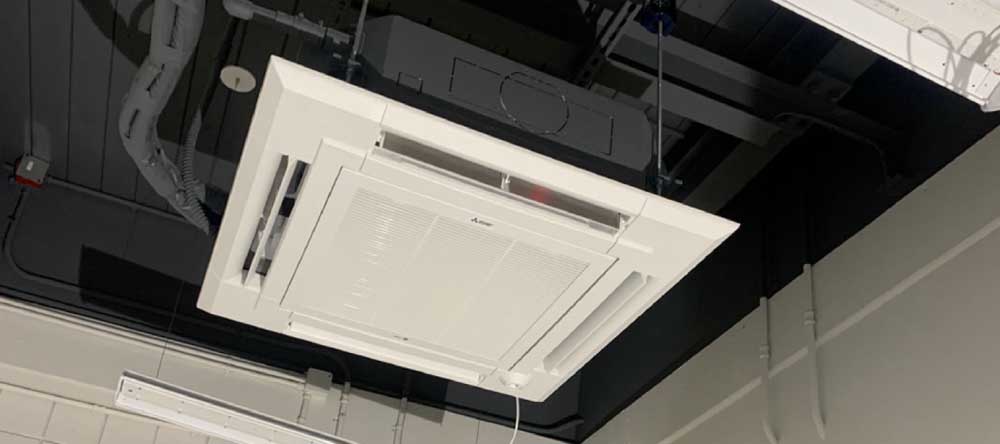
Your home needs extra focus during the summer months when temperatures climb above normal levels. Los Angeles homes often have ovens without proper cooling systems working correctly. When your house stays warm despite your system running, you might need Emergency Air Conditioner Repair Los Angeles services right away. Why AC Units Break During Peak Season Hot waves bring extra stress onto your older units that might cause sudden failures. Your system works harder when daily temps reach triple digits. Many units simply cannot match these heavy demands. Units older than seven years often break under extreme stress Lack of yearly check-ups leads to major system issues Small water leaks create large-scale failures Dirty units force motors beyond their usual limits Signs Your Cooling System Needs Urgent Attention When rooms feel stuffy while your system keeps running, something wrong exists inside. Strange noises often signal parts about ready to fail. Water spots below vents might prove your drain lines carry clogs. Warm, humid spots throughout your house The system cycles on/off every three minutes Sharp odors coming through vents Higher bills without extra usage Finding Relief During Cooling Emergencies Your first steps after total system failure count toward quick fixes. Smart moves before calls place your needs above other cases waiting ahead. Check your power panel first since blown fuses cause similar signs. Your filter might block vital flows when months pass without proper checks. Then, calls toward Los Angeles repair teams yield swift visits from these local units. Honest teams offer phone advice until their techs reach your place. Many small fixes might solve these large issues until repair crews visit your space. Selecting Quality Service Teams Your money needs smart usage during these tight times. Quick fixes often prove more costly toward later dates. Value comes through solid teams whose goals match yours. Check local trade group status. Verify proper state license stamps. Seek teams whose rates match market norms Review online posts from recent users Great repair teams stand ready twenty-four hours daily. Their trucks carry parts needed during after-hours calls. These teams reach homes faster since their bases exist nearby rather than across town. Preventing Future Cooling Failures Smart moves today help avoid those costly calls later. Your system needs basic steps taken twice yearly toward longer lives. Yearly check-ups catch minor flaws before summer stress makes these worse. Small costs today help avoid those major costs during the worst times ahead. Cost Factors During Emergency Calls Your budget might worry about after-hours costs during these tough calls. Smart users learn price ranges before needs arise. Most firms charge extra rates after normal hours close. Their techs merit these extra funds since family times become work times. Basic visit costs range between $75-$150 above daily rates. Parts costs stay equal at all times. Labor rates shift based on clock times. Sharp users check these rates while units still work rather than during panics later. Reaching Expert Help Today Your house needs quick help during these tough times. Every delay allows small issues to grow larger while costs climb higher. Smart moves before needs arise, so place your names ahead during these busy times. Your calls yield faster visits when teams know faces before those urgent calls begin.