
Los Angeles gets the climate treatment like nowhere else. The beach neighborhoods sit cool and breezy while downtown bakes. The hills catch fire in summer, and the valleys turn into ovens.
What works in Santa Monica might bomb in Pasadena. Your heating needs depend entirely on where you actually live in this city.
Understanding Your Microclimate Zone
Here’s the thing about LA most people think of it as one giant, consistently warm place. That’s not how it works. The city breaks into distinct zones, each with different temperature swings and seasonal needs.
Coastal areas rarely dip below 50 degrees, but the San Fernando Valley hits the mid-40s regularly in winter. The Hollywood Hills and surrounding elevations stay even colder. Even neighborhoods just five miles apart can have 10-degree differences when the sun goes down.
These microclimates affect your heating requirements year-round. A beachside home might need light supplemental heating for just a few months. Meanwhile, someone in the foothills needs something with real staying power. Your heating system should match your actual neighborhood, not some generic LA stereotype.
Why Winter Heating Still Matters in LA
Los Angeles winters actually require attention. November through March brings consistent cooling, especially after sunset. Indoor temperatures drop faster than people expect, particularly in older homes or those with poor insulation. Morning chill can drop 20-30 degrees below daytime highs, especially inland.
Humidity also plays a role. Coastal areas hold moisture that makes cold feel colder. Downtown and valley zones see dry, sharp cold that penetrates differently. These conditions directly impact how your heating system performs and what type actually makes sense for your space.
Choosing the Right System for Your Area
Heating services Los Angeles should match your specific neighborhood’s pattern. Coastal homes often benefit from efficient heat pumps they handle mild winters perfectly and avoid overkill. Valley and hillside properties typically need stronger capacity since cold snaps happen more dramatically. Downtown locations sit in the middle, with moderate needs that could go either direction.
Your insulation quality matters too. Older Spanish-style homes with thick walls retain heat differently than modern construction. New homes with open concepts need different approaches than cozy, compartmentalized layouts. A professional assessment of your actual property beats any one-size-fits-all recommendation.
When to Call a Professional
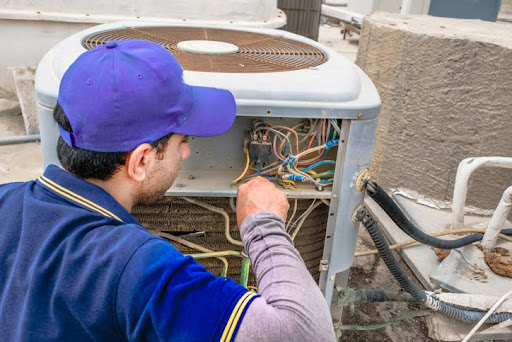
Don’t guess. A heating specialist understands how your exact location your block, your elevation, your exposure to ocean breezes or desert winds actually affects your needs. They’ll test your current system, check insulation, and measure temperature variations throughout your home.
Most LA residents run underperforming systems because they picked something suitable for a different microclimate entirely. Getting this right means comfort through winter and efficiency the rest of the year.
The city’s diverse neighborhoods deserve heating solutions that work with the geography, not against it.