Los Angeles HVAC Rebates and Incentives: A Complete Guide
In case you haven’t heard, Southern California Edison & the LADWP (Los Angeles Department of Water and Power) offer a number of program rebates and incentives to residential and commercial customers–homeowners, tenants, and landlords. These programs have been made available to help customers improve the energy efficiency of their air conditioners or heat pumps, save on electric energy costs, and improve the environment. And best of all, these rebates and incentives will continue to provide residential and commercial customers with energy cost savings far into the future. Rebates are provided not just for heating and cooling systems but for thermostat replacement as well. There’s even an available financing program. You don’t want to miss out on these program deals, so here’s a complete guide to the rebates and incentives offered to increase energy efficiency. Rebates and Incentives Offered by the Los Angeles Department of Water and Power for Residential and Commercial Customers The LADWP offers rebates through several different programs. The Efficient Product Marketplace, where you can shop for a qualifying energy star AC unit and apply for your rebate. Consumer HVAC rebate programs Whole house fan rebate programs For commercial customers, incentive programs to improve energy efficiency through lower rates. These programs provide a great opportunity for homeowners, tenants, landlords, and commercial building owners to save some money while saving the planet. Programs for Residential Customers One thing to remember is that the residential program also includes landlords, not just homeowners and tenants. However, this particular rebate program set does not include commercial customers. Replace Old Window Units Residential customers can replace an old room air conditioner with one that’s more energy efficient and be eligible for a $50 rebate. There’s a limit of two units per year. Replacing two units of old window AC with new AC units will not only save money on your electric bill, but you’ll also be much more comfortable. Replace Old Central AC Systems with Energy Efficient Products Old systems mean poor energy efficiency. If you have to set your thermostat lower and lower, and you’re spending more and more money on electric bills (and wasting energy), it’s time to replace your unit. To be eligible for program rebates from the LADWP requires the installation of new AC systems or new heat pumps. Rebates for energy-efficient Central AC pay up to $120 per ton. But first, we have to define some terms because the rebate amount is based on SEER–Seasonal Energy Efficiency Ratio. What is a SEER rating? The seasonal energy efficiency ratio (SEER) is calculated by dividing the average cooling output of the system by the total energy used. In short, SEER shows you how much energy and money the air conditioning unit consumes within a single year. Is it worth replacing your current AC under this program? You’ll realize savings of 20% to 40% of the cost of cooling your home when you purchase energy-efficient units. The higher the SEER rating, the better. If you purchase a 15 SEER air conditioner unit, the rebate is $100 per ton If you purchase an air conditioner unit that is rated 16 SEER or above, you qualify for a $120 per ton rebate. With air conditioners, the number of tons you need is based on the square foot, so the amount of your rebate will vary. The rebates don’t end there. If you replace your qualifying existing HVAC system with an Energy Star energy-efficient product, you can receive up to a $1,200 rebate as a reward for your commitment to energy efficiency. To qualify for this rebate program, you must replace your existing AC unit before it breaks. This is called “early replacement.” You must have a 10 ton or less central air conditioner or central heat pump system, be at least one year old, and cannot be non-operational. While the smart thermostat is available to LADWP residential customers, renters can participate, but must get the property owner’s permission. Rebates for Heat Pumps Heat pump rebates are based on both SEER and HSPF – Heating Seasonal Performance Factor. The Heating Seasonal Performance Factor measures the efficiency of your heat pump. To qualify for the rebates, your heat pump must have an HSPF rating over 8.5 and a SEER rating greater than 15. If your unit qualifies, the rebate is $100 per ton. Again, the number of tons will be determined by the square foot. Rebates for a Whole House Fan To qualify for this rebate, you need permanent installation connected to framing, and the fan must move a minimum of 1,000 cubic feet of air per minute. The rebate for a whole house fan is $200. How About A Free Smart Thermostat? It’s all in the name of energy efficiency. The LADWP is offering a free smart, learning thermostat to residential customers. Installation is also free! These thermostats actually learn your schedule. It also learns the temperatures you prefer. This means you get energy cost savings. Zoned systems receive only one thermostat, and if you already have a smart thermostat, you are ineligible. You also will not qualify if you’ve received a free thermostat under other Los Angeles Department of Water and Power programs. If you want to purchase additional thermostats, there are programs for you, too–you may be eligible for a $50 or $75 rebate. Only residential customers of the Los Angeles Department of Water and Power are eligible for the smart thermostat program. If you’re a renter, you can participate, but you have to obtain the permission of the property owner. How about Some Help with Financing? The LADWP has teamed with SoCalGas for something called Go Green Home Energy Financing to save you even more dollars. You can use the money toward energy-efficient products and devices, such as: Heat pumps Windows and window film HVAC systems LED lighting Pool pumps Insulation Gas water heaters And more The program benefits include: No upfront costs and available 100% financing Affordable payments Financing is unsecured, so no home equity is required There are no fees or closing
How to Choose the Right HVAC System Size for Your Los Angeles Home
Selecting the correct HVAC system size is essential for maintaining a comfortable living environment and ensuring energy efficiency. In this guide, we will provide a detailed overview of how to calculate the appropriate HVAC system size based on square footage, insulation, and climate. By following these guidelines, you can make an informed decision when installing a new HVAC system in your Los Angeles home. The Importance of Proper HVAC System Sizing Choosing the right HVAC system size is crucial for several reasons: Energy Efficiency: An adequately sized HVAC system will operate efficiently and help you save on energy costs. Comfort: A correctly sized system will maintain a consistent temperature and humidity level, ensuring a comfortable living environment. System Longevity: An appropriately sized system will experience less wear and tear, increasing its lifespan. Factors to Take into Account When Sizing an HVAC System Before you can determine the appropriate HVAC system size, you must consider several factors, including: Square Footage: The total area of your home in square feet. Insulation: The quality and effectiveness of your home’s insulation. Climate: The local climate and its impact on heating and cooling needs. Calculating the Square Footage To calculate your home’s square footage, measure the length and width of each room, then multiply these dimensions to determine the area. Add the area of each room to find the total square footage. Evaluating Insulation Effective insulation helps maintain a comfortable temperature by reducing heat transfer between your home’s interior and exterior. Assess your home’s insulation by checking for drafts, gaps in window seals, and the thickness of attic insulation. A well-insulated home will require a smaller HVAC system than a poorly insulated one. Considering Climate Los Angeles experiences a Mediterranean climate with warm summers and mild winters. When selecting an HVAC system, consider the average temperature and humidity levels in the area to ensure the system can adequately maintain a comfortable living environment. Calculating HVAC System Size Once you have gathered the necessary information, you can calculate the required HVAC system size using the following steps: Determine the BTU (British Thermal Unit) Requirements: Use the square footage and insulation information to calculate the BTU requirements for your home. You can consult an HVAC professional or use an online BTU calculator for guidance. Choose the Appropriate System Type: Based on the BTU requirements and local climate, select the right type of HVAC system, such as a heating installation or air conditioner. Factor in Additional Considerations: Consider additional factors, such as the number of occupants, window size and orientation, and any specific heating or cooling needs, to refine the system size. After determining the appropriate HVAC system size, you can explore various financing options and consult a residential HVAC expert to ensure a smooth installation process. Conclusion Properly sizing your HVAC system is crucial for maintaining a comfortable and energy-efficient home. By considering square footage, insulation, and climate, you can accurately calculate the appropriate HVAC system size. For further assistance and expert advice, contact Universal HVAC Los Angeles to ensure you choose the right system for your home. Maintaining Your HVAC System Once you have selected and installed the appropriately sized HVAC system, it is essential to perform regular maintenance to ensure its longevity and efficiency. Consider scheduling residential AC maintenance to keep your system in optimal condition. In addition, keep an eye out for signs that may indicate the need for home AC repair or emergency HVAC repair. Key Maintenance Tips Here are some essential maintenance tips to keep your HVAC system running smoothly: Change Air Filters Regularly: Replace or clean air filters at least once every 90 days to ensure optimal airflow and efficiency. Inspect and Clean the Outdoor Unit: Clean the condenser coils and remove any debris from around the outdoor unit to maintain peak performance. Schedule Regular Tune-ups: Arrange for a professional HVAC technician to inspect and tune up your system at least once a year. Enhancing Your HVAC System with a Smart Thermostat A smart thermostat is an excellent addition to your HVAC system, offering increased control, energy savings, and convenience. These thermostats can be controlled remotely via a smartphone, enabling you to adjust the temperature even when you’re away from home. Smart thermostats such as Honeywell, Google Nest, and Wyze can also learn your schedule and preferences, automatically adjusting the temperature for optimal comfort and energy efficiency. For assistance with selecting and installing a smart thermostat, consider consulting experts in thermostat repair and installation. Frequently Asked Questions How big of an HVAC system do I need for my house? To determine the appropriate size of an HVAC system for your house, consider factors such as square footage, insulation, and climate. Calculate the British Thermal Units (BTU) required for your home based on these factors and consult an HVAC professional for further guidance. How many square feet does a 3-ton AC unit cover? A 3-ton AC unit can typically cover an area of 1,800 to 2,100 square feet. However, factors such as insulation, window size, and local climate may affect the cooling capacity of the unit. Consult an HVAC professional to ensure that a 3-ton AC unit is appropriate for your specific needs. How many square feet does a 5-ton AC unit cover? A 5-ton AC unit can generally cover an area of 3,000 to 3,500 square feet. As with the 3-ton unit, factors such as insulation, window size, and local climate may influence the cooling capacity. It’s essential to consult an HVAC professional to determine whether a 5-ton AC unit is suitable for your home. What size AC unit would I need for a 1,800-square-foot house? For a 1,800-square-foot house, you may need an AC unit with a cooling capacity of around 3 tons. However, it’s crucial to consider factors such as insulation, window size, and local climate when determining the appropriate AC unit size. Consult an HVAC professional for a more accurate assessment. What happens if my HVAC is too big for my house? If your HVAC system is too big for your house, it may lead to short cycling, which means the system will turn on and off
The Impact of Climate Change on HVAC Systems in Los Angeles

In recent years, climate change and its larger effects on the planet have become an increasingly important topic of conversation. With the country facing rising temperatures, heat waves, record-breaking high heat, and frigidly low cold, more so than ever before, global warming has become a part of our daily life. As our country and the world at large face these challenges, several companies across the globe have embraced advanced technology that operates with greater energy efficiency, requiring less power and emitting less natural gas or carbon dioxide. In California, perhaps no single industry has faced these hardships as directly and harshly as the air conditioning industry. Air Conditioning Technology in the Fight Against Climate Change As new extreme heat waves bring record-setting extremely hot days to Californian metropolises such as Los Angeles and San Francisco, the electricity demand for air conditioners alone has soared off of the charts. During recent heat waves in the Golden State, as much as 60% – 70% of the electricity used is solely for AC units. This extreme heat leads to nearly every home in the state, often between the hours of 4:00 pm and 9:00 pm when everyone is arriving home from work after a long stressful day and is in desperate need of a cooling off. The result is a ludicrous strain on the grid system across California that wastes an absurd amount of power, is not efficient, and whose mass carbon emissions only work to accelerate global warming. Power Outages Across the Grid System Recently, hundreds of thousands of residents were left in complete darkness and without power after a month straight of record temperatures. Millions of air conditioners fell off the grid entirely, leaving families to suffer through the in-excess of 100 degrees Fahrenheit temperature without any access to air conditioning. These rolling blackouts and electricity shortages thus far demonstrate only a taste of how things are going to develop across California and the world as outdoor temperatures continue to rise. The global population will continue to rise in the coming years, and more people will continue to move to urban metropolises. This puts pressure on the units and companies to help shoulder the tremendous burden of the next few decades’ energy usage and temperature changes. That’s why at Universal Heating & Air, our company is doing everything we can to ensure that our AC units are developed to deliver energy-efficient and environmentally safe performance. Billions of New Air Conditioners As the population of the globe, and specifically of Californian cities, rises, new air conditioning units will continue to be needed to keep everything from houses to offices to factories cool enough to live and work within. These cooling systems, if left unchecked, only contribute to the emission of natural gas and carbon dioxide, as well as increase the costs of electrical waste. Because, as mentioned, the electrical systems across the state have such a hard time keeping up with the power exertion necessary for the few hours of the day in which most residents are home and utilizing their air conditioners, from 4:00 pm to 9:00 pm, such a system has to be overdeveloped to an insane degree. The electricity demand in peak heat wave hours in California can skyrocket by as much as 40%, meaning that the system has to be prepared to withstand that level of demand at all times, only because of a few hours worth of actual necessity. Obviously, this is inefficient and highly wasteful. It isn’t a solution but rather a contributing factor that only worsens the problems. Exerting more power and waste only further accelerates global warming and worsens these issues in the years to come. Cleaning the Grid So how do we combat this seemingly unending cycle? The simplest solution can come from beyond our jurisdiction in the AC unit business. Introducing renewable energy in the electricity grid would gradually reduce the greenhouse gases generated by air conditioners and heating systems. A smarter version could also reduce energy consumption in AC units and reduce peak demand pressure. This process would also involve deploying sensors and software that reduce the number of users as temperature drops when people leave the house for extended periods or when demand increases against the available generation. What We’re Doing to Help But what can a company such as ourselves here at Universal Heating & Air do to play its part in reducing the impact of these issues? When it comes to Los Angeles commercial air conditioning installation in new buildings, whether for office buildings or new homes contributing to the booming housing market, new AC units are being installed that no longer emit natural gas. Instead, several jurisdictions have already banned the usage of these outdated systems, and the state’s impending Title 24 energy code will further work toward making all air conditioning companies work with healthier, greener systems. Furthermore, not only are we striving to improve the efficiency of commercial HVAC units within any new building, but also to increase the efficiency of our units within any existing building. If you or a loved one require maintenance or AC unit repairs, all you need do is to call (323) 763-5777 today, and our team will respond quickly and efficiently, doing everything that we can to get your unit back up and working even better than before! Because as one of the state’s leading heating, air conditioning, and ventilation companies, we know that these unprecedented temperatures can affect your home’s cooling and warming systems. If your home or office is still working with outdated air conditioners or furnaces, it is not only unsafe for the atmosphere but also potentially unsafe for you. These newer systems work with greater efficiency and have a higher performance capacity, meaning they can stand the test of the elements. Last summer in California, as it got warmer and warmer, commercial buildings and homes ran their air conditioning units 30% more than they had the previous year. This jump ultimately makes an enormous difference to the efficiency of your home and/or business specifically. While these new,
Preventive Maintenance: How to Avoid Costly HVAC Repairs and Breakdowns
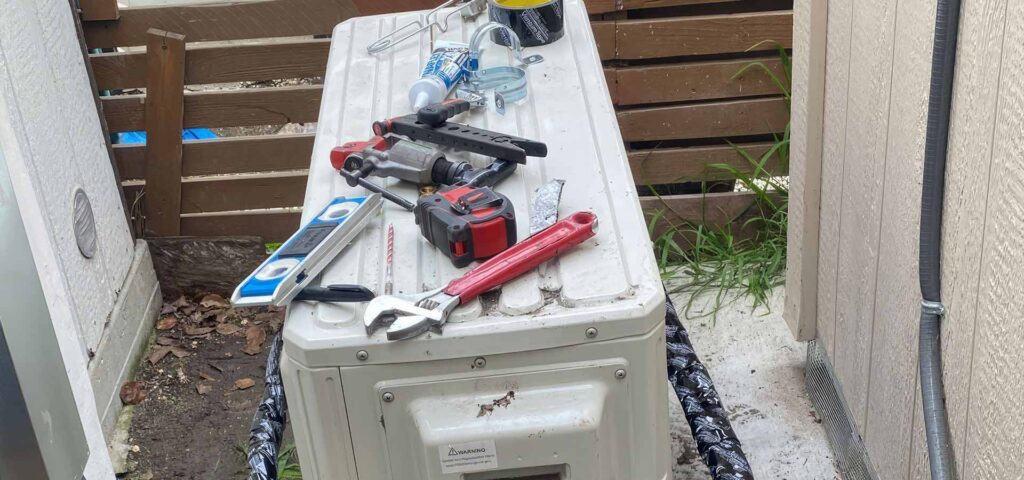
Just as your car runs better and longer when it’s well-maintained, your HVAC system offers better comfort, lasts longer, and uses less energy with preventive maintenance. Homeowners and commercial property managers alike can prevent costly HVAC repairs through a regular maintenance schedule. Don’t know where to start? To keep your system running smoothly, this blog post offers some maintenance tips for your AC unit, heat pump, or furnace–you don’t want any of them to work harder than they have to. The Importance of Maintaining Your HVAC System The HVAC systems for homeowners and commercial buildings differ, but regular maintenance on a schedule is essential for both. Preventive maintenance means you can avoid costly HVAC repairs during Los Angeles summers when hot, dry Santa Ana winds make an air conditioner a necessity. Many homeowners ignore their HVAC system until it breaks down, but with regular maintenance, you can keep your system running smoothly and avoid not just costly HVAC repairs but all of the other common problems caused by a neglected system. The Consequences of Neglecting Your HVAC Unit HVAC maintenance is critical, and not just to avoid costly repairs. A poorly maintained has an effect on air quality, utility bills, the amount of dust and dirt in your home or commercial building, and causes more wear and tear, and means your system has to work harder. What happens when you don’t do regular HVAC maintenance? Poor indoor air quality Your HVAC system keeps the air in your home or business clean by bringing in outdoor air. This helps dilute any air contaminants and then forces dirt and debris in the air out of the house. This means the air that’s been cleaned and filtered by your air conditioning unit or heating unit stays inside, and polluted and dusty air stays outside where it belongs. This means proper airflow is vitally important, and clogged air filters or intake system problems create issues with dirt, dust, mildew, and other debris that can make allergies worse or lead to asthma attacks or other respiratory problems. It’s essential to replace the air filters regularly (four times a year) to keep your HVAC system running at peak performance but to avoid costly HVAC repairs. The general rule of thumb is to replace air filters every 90 days for optimum HVAC airflow and to keep dirt, debris, and other harmful components out of your home or office. Carbon monoxide exposure Going hand-in-hand with poor air quality from your AC unit are air quality issues created by your furnace, and this particular problem can cost the life of yourself or someone you love. We’re not just talking about gas leaks. Another danger is posed by carbon monoxide, created during the combustion process. Problems of this kind can mean a costly repair or installation of new heating. This gas is colorless and odorless. A properly cleaned heating unit will vent the carbon monoxide, and that means your home is safe and at a comfortable temperature during both the summer and winter months. But, if your exhaust system is not maintained, it can be dangerous. Clogged exhausts mean gas buildup, which causes carbon monoxide to spread throughout your home. Carbon monoxide is dangerous because it’s colorless, tasteless, and odorless, which is why your should call to schedule an HVAC technician to inspect your system–it’s the best way to avoid expensive repairs and keep your HVAC system running at peak performance. Air filter damage Most homeowners know that air filters must be changed as part of regular HVAC maintenance, but you may not realize just how important a clean air filter is to the entire HVAC system. You see, the role of an air filter isn’t just to remove particles in the air. These air filters are also important when it comes to the temperature of your home and the efficiency of your HVAC unit. If you don’t replace air filters regularly and your air conditioning and heating system becomes clogged, you dramatically reduce the lifespan of your entire HVAC system because it is excessively consuming energy. This, of course, also has an effect on your energy bills. Loud noises Never ignore loud or strange noises. Call an HVAC contractor to inspect your outdoor unit. When your HVAC unit is running properly, it is almost silent, with just a hum when your AC unit goes on that blends into the background. However, without regular maintenance, you could hear loud noises issuing from your HVAC unit. This means it’s time to call an HVAC technician. This is considered an emergency repair, and you should prepare for costly repairs. You can avoid costly HVAC repairs through proper HVAC maintenance, which means your air conditioning system (including the outdoor unit), heat pumps, and other parts of your heating and cooling system. Not enough cool air from your AC You keep turning the thermostat down, but your home still isn’t cool enough. There are several reasons why you aren’t getting cool air. Clogged filters. When an air filter is clogged with debris, airflow is compromised. It’s important to remember that air filters are important components for HVAC efficiency. Dirty evaporator coil. Over time, evaporator coils become dirty and clogged with debris. Sometimes, they freeze and can cause a lack of cooling. Your thermostat is faulty. If your thermostat isn’t operating properly, it can cause any number of problems. Your system might not turn off or on, it may cause short cycling, and it may not keep your surroundings at the temperature you set. Sometimes thermostats can be repaired, but a thermostat over 10 years old should be replaced. This is also a great opportunity to replace your thermostat with a modern digital version that can help increase energy efficiency, which results in lower energy bills. Low refrigerant levels. The level of refrigerant drops because of leaks in your system. And as they drop, less heat is removed from the air, your system has to work harder, and your energy bills increase. Refrigerant leaks also lead to excess moisture, which can become a breeding ground
Energy Efficiency Tips for Los Angeles Homeowners: How to Optimize Your HVAC System
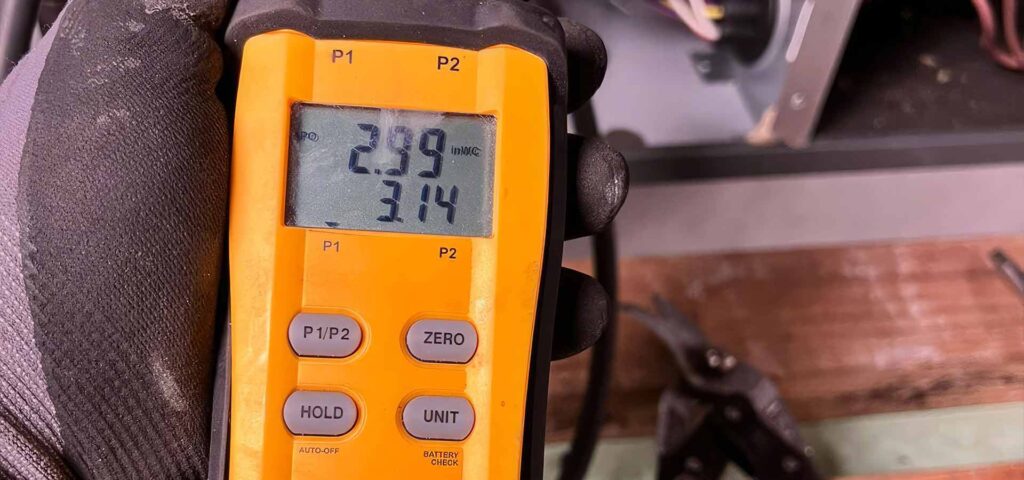
Did you know the average homeowner spends approximately 53% of their monthly energy-related expenses on their heating and cooling bills? If you are tired of spending a small fortune keeping your Los Angeles home cool in the summer, there are several ways you can start lowering your energy bills – and most won’t cost you a dime. Here are a few straightforward tips to help you improve the efficiency of your residential HVAC system: Check Your Optimum Temperature Range One simple way to improve your HVAC energy efficiency is to set your thermostat according to the outdoor air temperature and not your comfort level. As a rule, keep your thermostat set to within 10 to 15 degrees lower than the outdoor air temperature in the summer. This means that if it is 90 degrees Fahrenheit outside, you should keep your thermostat set to anywhere between 75 and 80 degrees Fahrenheit. If these temperatures seem too high, there are other simple and low-cost ways to save money on your energy costs and cooling costs. Schedule Regular Air Conditioning Maintenance Regular maintenance is the key to ensuring your HVAC system is running at peak efficiency, working properly and to prevent unnecessary and potentially costly Los Angeles home AC repairs. Contact the team at Universal Heating & Air to create a maintenance routine and schedule a yearly inspection. During this routine maintenance inspection, a team member will check the major components, including the indoor air handler and outdoor unit, check your air filters, calibrate your thermostat, and determine if there are any ways you can use less energy to keep your home comfortable, even during the hottest point of the Los Angeles summer. Preserve the System Air Flow Constant and uninterrupted airflow of conditioned air throughout your home is the goal during the summer. In the winter, you want to keep your home’s temperatures as steady and comfortable as possible – without raising your home’s heating costs. The best way to achieve both is to ensure that the duct system is not damaged and there are no obstructions in your air ducts. An HVAC technician can not only inspect and repair your home’s duct system but also provide strategies to improve efficiency. For example, insulating ducts are a great way to maximize your HVAC system’s energy efficiency by preventing cold air loss during the summer and warm air in the winter. Another simple way to prevent air flow obstructions is to clear debris away from the registers, air handler or furnace, and the massive outdoor unit. Invest in a Programmable Thermostat Want a foolproof way to lower your monthly utility bills while maintaining a comfortable temperature throughout your home? Purchase a programmable thermostat! A top-of-the-line smart thermostat costs anywhere between $200 and $350. However, before getting scared off by the initial investment, it is essential to realize that programmable thermostats can make a huge difference in your monthly energy expenditures. You can program the thermostat to raise or lower the temperature of the home, depending on whether you are home or away, to increase energy efficiency. For example, you can set the thermostat to raise the temperature during the summer while you are at work and don’t need to keep the house comfortable. If you have a programmable thermostat that isn’t working correctly, contact Universal Heating & Air for all your Los Angeles thermostat repair and maintenance needs. Use Curtains, Blinds, and Drapes to Help Control Temperatures During a hot Los Angeles summer, it is not uncommon for you to crank up the air conditioner to keep the cool air rushing into your house all day long. Instead of using more energy to keep your home comfortable, invest in a set of quality blackout curtains. Close the curtains during the day to prevent the sunlight from flooding your home – and raise the indoor temperature. Conversely, you can open the curtains and let the sunlight in to prevent your forced air furnace or heat pump from working harder than it should to keep your home cozy during the cooler months. Change Your Air Filters Regularly Regularly swapping out your air filter is one of the most inexpensive ways to help your HVAC system run more efficiently and even prevent unnecessary emergency repairs to your Los Angeles cooling system. Dirt, dust, and other debris will quickly build up in the filters, making the HVAC system work harder than it needs to in order to keep the home cool in the summer and warm in the winter. Refer to your HVAC system’s manual, or ask the helpful staff at Universal Heating & Air to determine the ideal variety of air filters for your HVAC system. For example, some manufacturers might recommend a reusable filter, which can be periodically cleaned to remove any buildup. To ensure peak HVAC efficiency of your central air conditioner, you might need to use a HEPA air filter that needs to be replaced every few months. If you need clarification, give us a call, and we can help you determine the ideal filter for your cooling system, budget, and needs. Crank the Fans and Close the Windows Another simple strategy to improve the efficiency of your HVAC system and to save you a ton of money, in the long run, is to invest in some quality box fans and pedestal fans and install a ceiling fan in every room possible. Keep the fans running at a low speed throughout the day to help increase positive airflow throughout your home. Because heat rises, you can place a box fan at the bottom of the staircase to help push cool air to the second floor of your home. For even more energy efficiency in the summer, make sure your ceiling fan is set to counterclockwise in the summer and clockwise in the winter! Create Energy Efficient HVAC Systems With Universal Heating & Air Are you ready to drastically improve the energy efficiency of your HVAC system, install insulation on your ductwork, or have a new thermostat, air conditioning system, or
Upgrading Your HVAC System: When Is the Right Time and What to Consider?
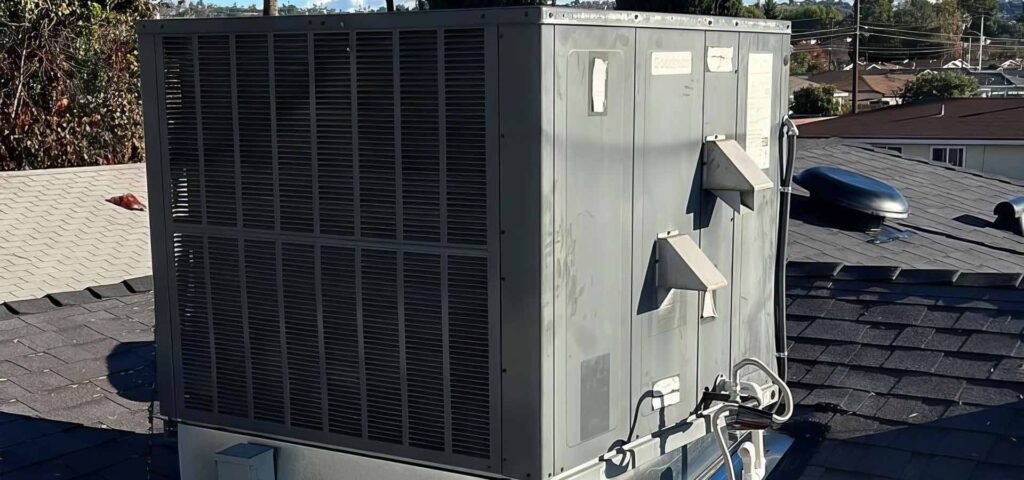
For residents of Los Angeles, CA, a well-functioning HVAC system is essential these days for maintaining a comfortable living environment. However, like all appliances, HVAC systems have a finite lifespan, and there comes a time when it may be necessary to consider an upgrade. In this article, we’ll explore the key factors to consider when determining if it’s time to upgrade your HVAC system and the crucial aspects to keep in mind when choosing a new system. Signs It’s Time to Upgrade Your HVAC System Age of the system Most HVAC systems have a lifespan of 15-20 years. If your system is nearing or has surpassed this age, it may be time to consider an upgrade, as older systems are less energy-efficient and more prone to breakdowns. Frequent repairs If you find yourself consistently needing AC repair or other HVAC services, it could be a sign that your residential or commercial system is reaching the end of its useful life. Rising energy bills As your HVAC system ages, it becomes less energy-efficient, leading to higher utility bills. An upgrade to a more energy-efficient system can save you money in the long run. Uneven heating or cooling If some rooms in your home are consistently too hot or too cold, it could indicate that your HVAC system is no longer able to effectively distribute air throughout your home. Factors You Should Consider When Upgrading Your HVAC System Energy Efficiency One of the primary reasons for upgrading an HVAC system is to improve energy efficiency. When selecting a new system, pay close attention to the Seasonal Energy Efficiency Ratio (SEER) for air conditioners and the Annual Fuel Utilization Efficiency (AFUE) for furnaces. Higher ratings indicate better efficiency, leading to lower energy bills and reduced environmental impact. Size of the System Proper sizing is critical for ensuring optimal performance, energy efficiency, and indoor comfort. An HVAC system that is too small will struggle to maintain a comfortable temperature, while one that is too large can frequently cycle on and off, wasting energy and potentially causing uneven temperatures. A professional HVAC installation company can help you determine the appropriate size for your home or commercial space. Type of HVAC System There are various types of HVAC systems available, including central air conditioning, ductless, heat pumps, mini-split systems, and more. Each has its advantages and disadvantages, so it’s essential to research and consult with a professional to determine the best system for your specific needs and preferences. Additional Features Modern HVAC systems often come with additional features, such as smart thermostats, zoning capabilities, and advanced air filtration. These features can enhance comfort, energy efficiency, and indoor air quality. Consider which features are the most important to you and weigh the costs and benefits when selecting a new system. Professional Installation Proper installation is crucial for ensuring your new HVAC system operates efficiently and effectively. Be sure to work with a reputable HVAC company in Los Angeles that specializes in installing the type of have chosen. A well-qualified company will be able to guide you through the process (step by step), from selecting the right system to providing expert installation and ongoing maintenance. Cost and Financing Options Upgrading your HVAC system can be a significant investment. It’s essential to consider the overall cost of the new system, including installation, maintenance, and potential energy savings. Be sure to research available financing options, such as HVAC financing, which can help make the upgrade more affordable by spreading the cost over time. Warranty and Maintenance A good warranty can offer peace of mind, knowing that your investment is protected should any issues arise with your new HVAC system. Be sure to review the warranty terms and understand what is covered and for how long. Additionally, regular residential AC maintenance or commercial AC maintenance is crucial for keeping your system in top condition and prolonging its lifespan. When selecting a new system, consider the recommended maintenance schedule and the associated costs. Frequently Asked Questions About Upgrading an HVAC System in Los Angeles How much does it cost to upgrade an HVAC system in Los Angeles? The cost of upgrading an HVAC system varies depending on the type, brand, size of the system, and any additional features you choose to include. In general, the cost can range from $3,000 to over $10,000, including installation. It’s essential to get quotes from multiple reputable HVAC companies in Los Angeles to compare prices and find the best value. What is the most energy-efficient HVAC system available for Los Angeles residents? The most energy-efficient HVAC systems typically have high SEER ratings for air conditioners and high AFUE ratings for furnaces. Look for systems with ENERGY STAR certification, indicating that they must meet energy efficiency guidelines set by the U.S. Environmental Protection Agency. Heat pumps, which can heat and cool your home, are often considered an energy-efficient option for Los Angeles’ moderate climate. Can I upgrade only one part of my HVAC system, such as the air conditioner or furnace? While it’s possible to upgrade only one component of your HVAC system, it’s generally recommended to replace both the air conditioner and furnace simultaneously. This ensures that both components are compatible and operate at peak efficiency, providing you with the best performance and energy savings. Do I need a permit to upgrade my HVAC system in Los Angeles? In most cases, you will need a permit to upgrade your HVAC system in Los Angeles. Your chosen HVAC contractor should be able to help you obtain the necessary permits and ensure that your new system complies with all local building codes and regulations. How long does it take to install a new HVAC system in Los Angeles? The time it takes to install a new HVAC system depends on the complexity of the installation and the type of system being installed. On average, it takes one to three days to complete an HVAC system installation. However, this timeline can vary depending on factors such as the availability of the HVAC contractor, the need for additional ductwork or electrical
What is the Most Expensive Part to Fix on a Furnace?
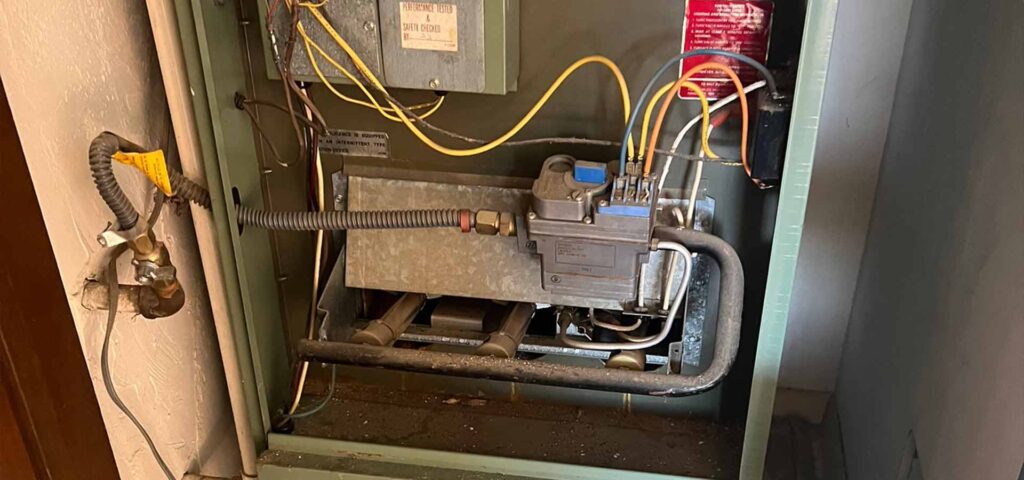
Several things can go wrong with your furnace, from blowing cool air to short cycling. However, as a homeowner, how do you know what is wrong and how much it will cost? Not all furnace repairs are created equally, and the furnace repair cost of several components is much higher than others. Regardless of the problem, the Universal Heating & Air team has got you covered. With over 20 years of experience serving the amazing people of the Los Angeles area, we can quickly and efficiently diagnose and repair any variety of furnaces on the market. Do Furnace Repair Costs Vary by Type? Yes, the cost of what you will pay can vary greatly depending on the variety and manufacturer of your furnace. If you are concerned with replacing components on your older model furnace, don’t worry; we offer free estimates and will only repair a furnace once the homeowner understands the overall cost. What Is the Average Furnace Repair Cost? In addition to the make, model, and manufacturer of the furnace, the cost of the component, labor, and other factors will determine the cost of repairing a furnace. For example, air filter replacement costs will typically be far less than replacing a significant component, such as blower motors, gas valves, or an ignition switch. In Los Angeles, California, the average furnace repair cost is anywhere between $300 to $2,000 in total. Inducer Motor Typically, the most expensive component on your furnace to have replaced is the draft inducer motor. The part is found on the top portion of your heating unit and plays a critical role in the heating cycle. This motor-driven fan blows heated air through the entire heating system, including the furnace and air ducts. If the inducer motor is faulty, the furnace will switch on, but no air will move through the system. A failsafe in the furnace will shut the unit off entirely if the inducer motor does not turn on. Depending on the model, make, and brand of the inducer motor, the cost of parts is anywhere between $600 to $1,300. The labor costs to install the new motor are between $300 to $600. The total replacement costs are from $900 to $1,900. Blower Motor The blower motor is typically found in the bottom portion of a furnace and sits inside a large cylindrical case called a squirrel cage and is critical because it helps push warm air into your home. There are three main varieties of blower motors: variable speed blower motors, permanent split-capacitor, and electronically commutated motors. The price of simple blower motor repairs can be very inexpensive, especially if you are not replacing the squirrel cage. However, you will typically pay more if you have an older model furnace and need a new variable-speed blower motor. The average cost of a total blower motor replacement is between $330 to $960. A new blower motor costs between $150 and $600, while labor costs between $180 and $330. However, be aware that if you have an older model furnace and need the entire blower motor and assembly replaced, you could spend more than $2,000. Heat Exchanger As the name suggests, heat exchangers transfer hot air from one place to another. The component is located near the burners and is in every natural gas furnace. In addition to mixing hot and cold air, which creates the comfortable, warm air you feel coming from your registers, the heat exchanger plays another crucial role: It helps eliminate unwanted combustion gases from the air circulating through the home. The heat exchanger is definitely one of the most expensive components on your furnace to replace. The cost of the component is between $400 to $600. Swapping out the heat exchanger is a labor-intensive job that can take several hours to complete. The labor cost can vary and is between $200 to $400. The overall cost of replacing a heat exchanger is between $600 to $1,000. If you suspect your furnace’s heat exchanger is damaged, it is critical to contact the professionals at Universal Heating & Air right away. A cracked heat exchanger can cause dangerous carbon monoxide gases to leak into your home. Evaporator Coil The evaporator coil plays a crucial role in your HVAC system, especially if you own a central air conditioner in addition to a furnace. When you run the furnace, this component creates a comfortable temperature by helping condition the air. As far as the central AC is concerned, the coil houses refrigerant, and when warm air is blown over the coil, it is cooled and dispersed through the home. Evaporator coils are manufactured from different metals, and the brand and variety of coils will dictate the replacement price—a replacement coil costs anywhere from $150 to $550. The cost of labor is between $300 to $700. The overall cost is between $450 to $1,250. Additionally, if you have an older model HVAC system that uses R22 refrigerant, you may need to have the system’s coolant recharged. Combustion Chamber A combustion chamber is found in all oil furnaces and natural gas furnaces, and as the name would suggest, the chamber is where gas is burned to create the heat that warms your home. Your furnace will either feature a sealed or atmospheric combustion chamber. The cost to replace this component depends on the type of chamber, the manufacturer, and the furnace’s age. The cost of the chamber is typically between $250 to $400. The labor costs your HVAC contractor will charge between $300 to $500. The overall total is between $550 to $900. Thermostat Replacement All HVAC units require a thermostat to control the temperature of the home. There are several different varieties of thermostats available, and because of this, the overall cost can vary greatly. For example, you will pay far more for a state-of-the-art programmable touchscreen thermostat than a simple, old-fashioned dial model. Because of this, the average price of a thermostat repair or replacement can vary wildly. The cost of a new thermostat is between $100-$650. Installing a thermostat costs between $100-$150, making the total cost between $200-$800. HVAC contractors can help you determine the ideal thermostat model for your home and needs. Gas Valve Replacement The gas valve
Is It Worth Fixing a Furnace?
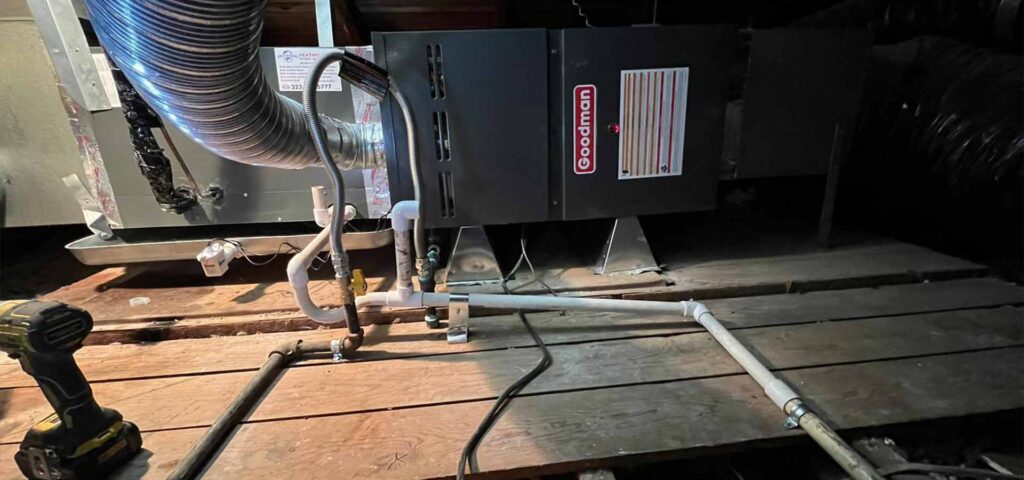
The answer to this frequently asked question depends on your furnace’s age and condition and the repair cost. Generally speaking, if you have an old model furnace with frequent or inefficient problems, replacing it with a newer model may be more cost-effective. However, if your furnace is relatively new and only requires minor repairs, it may be worth fixing rather than replacing. It’s also important to consider any warranties or guarantees that may apply to your furnace before deciding. Ultimately, the best way to determine if it’s worth fixing your furnace is to consult with a qualified heating and cooling contractor for their expert opinion. Furnace Repair or Furnace Replacement? Picture this: it’s a cold winter night, and you find yourself shivering within the walls of your own home. Immediately, you turn on the heat, only to find that your furnace is malfunctioning. Not only is this an incredibly inconvenient time for this to happen, but it also raises many questions. The biggest question of all is whether to repair or replace your furnace. Whether you’re dealing with an old furnace, a new heating system, or a furnace that has required regular maintenance in the past, there are a great many factors that go into deciding if it is worth it to perform furnace repair or to simply all-out replace your furnace. Your Furnace’s Age Sadly, heating systems are not always reliable. Generally speaking, a furnace’s expected lifespan is 15-25 years. If it’s younger than that, you could easily still have an efficient furnace in your home that could work wonders with a simple repair. But suppose your faulty old furnace falls within that age range, rather than consistently re-upping and paying increasingly greater sums to service technicians from a utility company to perform major repairs on your HVAC system. In that case, it’s probably best to simply spring for a replacement furnace. Your Furnace is Making Noise If you hear strange noises from your furnace anytime you turn it on or off, it may be a sign of malfunction, but it could also be something else entirely. More often than not, loud noises come from unsecured ductwork, which can then tend to rattle about. It could also be less severe issues with your furnace, such as an unbalanced inducer motor. However, such loud noises could also indicate motor failure, a cracked heat exchanger, or even more significant issues. It’s tough to tell any significant difference between these various noises, so it is always best to contact a service technician such as Universal Heating & Air to ensure your HVAC system is working properly. How Much Should It Cost to Repair a Furnace in Los Angeles? The cost of furnace repair can vary wildly and solely depends upon which parts of the furnace need repairs. Making repairs over the years can help keep your furnace running in great shape, but the cost depends on whether we are talking about major or minor furnace repairs. Furnace replacement generally costs anywhere between $3,500 and $6,500. Generally speaking, furnace repairs should remain under $2,000 to remain a viable option. After a certain point, if the cost of repairs exceeds that, the question of whether to repair or replace your furnace is essentially answered for you, as repairing is destined to only dig you deeper and deeper into higher costs. The three most expensive individual parts for furnace repair are the circuit board, the blower motor, and the draft inducer motor. If one of these three parts is badly damaged, it may make repairing or replacing that much simpler, as they will rack up enormous costs. When these parts malfunction, it’s time to replace them. Natural Gas Most furnaces run on natural gas and heating oil, from older furnaces to modern ones. This has been and remains one of the most efficient and long-lasting heating systems, but it does come with the risk of a malfunctioning furnace emitting carbon monoxide. Carbon monoxide is highly poisonous, and such a leak would require you to evacuate your home and get your furnace replaced immediately. It would also necessitate you calling the fire department to get their assistance in subduing the leak. A healthily operating furnace will be burning with bright blue flames, indicating the sheer heat of the furnace. However, if those flames ever turn to yellow flames, it is time to evacuate and call the fire department, as it is an early warning sign of a carbon monoxide leak. Yellow flames are one of the multiple warning signs you must constantly be on the lookout for when it comes to your furnace. Similarly, if you find evidence such as streaks of soot around your furnace, absence of any kind of upward draft carrying gases upward and out of your home, or multiple household members feeling ill, evacuate the home immediately and call for help. When the Cost of a Heating Repair Is Over Half the Cost of a Replacement To repair or replace? If the cost to repair your furnace becomes greater than half of your furnace’s replacement cost, it will be much more cost-effective to simply replace your furnace. An old furnace, especially one that has lived out over 75% of its life expectancy, will have a higher repair cost and utility bills and ultimately cause higher energy bills. Instead of paying ever-increasing costs for furnace repair work, simply call our team at Universal Heating & Air and have us replace your furnace entirely the first time, saving you money in the long run. Electric Furnace The alternative to natural gas-powered furnaces, electric heaters – usually the lowest-priced purchase – offer a relatively inexpensive option for installation. However, they are much more difficult to operate and notoriously less reliable. Electric furnaces are much more commonly found in warmer states, where the HVAC system is not put through the high-stakes pressures of frigid winters. Electric Furnace Sequencer Replacement For comparison of costs, an electric furnace’s most expensive individual part is a sequencer. The sequencer helps electrical power heater
Why is My AC Running but Not Cooling?
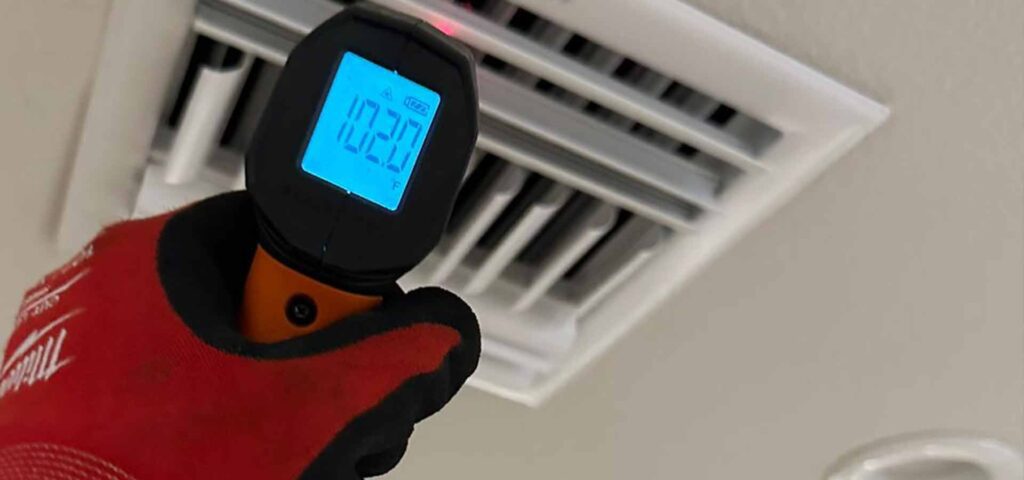
Living in the Los Angeles area, you know how crucial it is to your comfort to have a functioning central air conditioner. Unfortunately, one of the customers’ most common issues is an air conditioner that suddenly stops blowing cold air. What should you do in this situation? There are many potential culprits and reasons why your AC is blowing warm air rather than cool air. The professionals at Universal Heating & Cooling are just the team you need to diagnose the problem and find a solution you can afford. Cool Air Not Coming Out? Low Refrigerant or Refrigerant Leak Your home’s air conditioner works on a cooling cycle, and refrigerant is critical. The refrigerant is stored in a series of copper refrigerant tubing and works by drawing heat energy from inside the home and safely releasing it outside. The refrigerant levels must remain constant for the system to work correctly. Unfortunately, if there is damage to the refrigerant lines, the cooling system cannot release warm indoor air outside and replace it with cool air. If there is a refrigerant leak, the issue should always be handled by a professional air conditioning technician. An HVAC technician can pinpoint the cause of refrigerant leaks, such as damage to the copper lines, and refill the unit with coolant. Obstructed Air Flow Can Mess Up the Air Conditioning System For your air conditioner to blow cold air, there must be a constant flow of air around and through the system. The unit’s job is to eliminate hot air from inside your home and replace it with cool air. If there is any obstruction, this cycle cannot occur, and your air conditioner will blow warm air or stop working altogether. One of the most common causes of obstructed or improper airflow is a clogged or dirty air filter. The air filters on your HVAC system play a critical role. They remove airborne particles from outdoor air before circulating inside your home. Your air filter is supposed to get very dirty, but it needs to be periodically tossed out or cleaned. If your HVAC system’s air filter becomes clogged or very dirty, it will obstruct airflow in the inside unit and cause various problems, including an ac system that is blowing hot air. The Expansion Valve Is Clogged An often overlooked component of your air conditioning system, the expansion valve is found in the evaporator coils and regulates the amount of liquid refrigerant that can enter the coil. If the valve becomes clogged or fails, the refrigerant cannot be released, and your ac unit will not blow cold air. It can be tricky to locate the expansion valve and even more challenging to determine if there is an issue. This is a common cause of cooling problems and one, as a homeowner, you will probably overlook. That is why you should always contact an HVAC technician if you are experiencing any significant issues with your central air conditioning system. Faulty Thermostat Imagine this scenario: You wake up on a hot Los Angeles morning, and no cold air is blowing out of the registers. You panic and assume the worst-case scenario has occurred, such as a faulty heat pump system or a bad condenser unit, and you see your wallet slowly emptying. Before you lose your cool, walk over to your thermostat and check the temperature. If there is an issue with your thermostat, such as a set of dead batteries, or a curious kid who loves to push buttons, your central air conditioning system cannot maintain the desired temperature. Often, you will find that simply adjusting the temperature setting on the thermostat is all you will need to do to fix the issue. Faulty Outdoor Unit = No Cold Air All central AC systems are comprised of two major sections: The indoor unit and the outdoor unit. The indoor unit houses a fan coil cabinet that contains your evaporator coil. If you have a furnace, this will often house the indoor components. Otherwise, you will have a fan coil, or the evaporator coil will be found in the indoor air handler unit. The outdoor unit is that giant metal box outside your home that contains the compressor, fan, and condenser coils. If there is damage to this outdoor condenser unit, which can occur after a storm or even through vandalism, the entire unit can blow warm air or even stop working altogether. Dirty or Damaged Evaporator Coil Once again, the evaporator coil is found inside your home and plays a critical role in the cooling cycle. The job of the evaporator coil, which is filled with evaporated refrigerant, is to draw warm air out of your house. The evaporator coil is connected to a compressor, and if the coil or the AC compressor malfunctions, heat energy exchange cannot occur. A faulty or frozen evaporator coil is another common issue that can be tricky to pinpoint. Once again, leave it to the professionals at Universal Heating & Air to diagnose the problem and make any necessary repairs. Faulty or Clogged Condenser Coil The evaporator coil and its counterpart, the condenser coil, work in tandem and are two critical components in all air conditioning systems. The condenser coil is attached to a condenser fan. The heated, pressurized refrigerant travels to the condenser coils, where it is released outside your home. Once again, if this outdoor coil suffers any type of damage and it cannot do its job properly, your AC will blow hot air. Damaged Air Ducts Will Slow Down the Cooling Process Your air conditioner often stops blowing cold air quickly, and the issues mentioned above are typically the problem. However, what if the airflow is diminished, and the air coming from the registers feels slightly warmer than it should? Believe it or not, the problem could be damaged air ducts. When the air ducts running through your basement and the rest of your home suffer damage, the hot air surroundings the ductwork mixes with the