Upgrade Your Comfort: Thermostat Replacement for Older Los Angeles Homes
If your Los angles home has an old thermostat, it’s probably showing its age. We’re talking manual dials, basic digital displays, or systems that barely communicate with your HVAC unit. These things aren’t just annoying hey actually waste a ton of energy, jack up your bills, and leave you sweating in one room while freezing in another. A newer thermostat fixes all that. Why Older LA Homes Need an Upgrade Here’s what happens with older houses: they were built before anyone thought about modern climate control. Mix that with aging HVAC systems and thin insulation, and you’ve got a recipe for temperature chaos. Your AC runs overtime. Your heat kicks on at weird times. The end result? You’re uncomfortable and bleeding money every month. Ditching that ancient thermostat for something current solves this problem. You’ll get better temperature management, way less wasted energy, and actual say over your home’s climate. When you invest in thermostat replacement Los Angeles, you’re essentially giving your whole system a chance to work smarter. What Modern Thermostats Actually Do Programmable and smart thermostats are game-changers for cutting energy use. You set a schedule and forget it – lower temps when nobody’s home, then bump it back up before you get there. No more cooling or heating an empty house. For older LA homes with sketchy insulation, every degree you save shows up on your bill. But it’s not just about saving money. You also get comfort that actually works. No more wild temperature swings. Rooms stay consistently comfortable instead of feeling like a rollercoaster. Pick a Wi-Fi model and you can tweak settings from your phone at work, across town, wherever. Some newer models are pretty smart. They learn when you’re typically home and adjust on their own. Others connect to humidity sensors or zone systems, so you can keep different rooms at different temperatures if that’s your thing. Picking the Right Fit for Your Home Here’s where older wiring throws a wrench in things. Some systems need a C-wire to actually power the thermostat. Others get by without one. Programmable models usually work with most setups, but Wi-Fi enabled options have pickier requirements. That’s when you need someone who knows what they’re doing. Different thermostat types have their own perks: Programmable models let you set schedules on your terms Wi-Fi enabled options let you control things from anywhere Smart learning thermostats figure out your patterns and adjust automatically Getting It Done Right Installing a new thermostat in an older LA home isn’t really a DIY situation. Bad wiring causes real problems. Wrong calibration means your system wastes energy instead of saving it. Plus, older electrical setups can have safety concerns. Universal Heating & Air handles all the technical stuff properly. We’re talking correct wiring, system calibration, the whole nine yards. For older homes with their own quirks and challenges, hiring professionals means no headaches and a thermostat that actually does what it’s supposed to do. Final Words Swapping out an old thermostat for something modern completely changes how your older home feels and runs. You get better comfort, lower bills, and real control over your climate. Universal Heating & Air makes it simple and dependable.
How Your HVAC Ductwork’s Hidden Flaws Cost You Money and Comfort
You can’t see the ducts in your Los Angeles walls, but they’re moving air around your house all day long. When they start having problems, you’ll know it. Your bills go up and your house doesn’t feel right anymore. Leaky Ducts Drain Your Wallet Here’s what happens when your ductwork starts leaking – you’re basically paying to heat and cool nothing. All that good air escapes through cracks before it gets to your rooms. Your system keeps running and running, trying to keep up. Small problems turn into big ones fast. A little crack gets bigger. Loose joints get looser every time your system kicks on. The Department of Energy says most homes lose about 20-30% of their air through leaky ducts. That’s like leaving your front door open while the AC’s running. Some Rooms Just Feel Wrong You know how some rooms in your house never feel quite right? One’s always too cold, another gets stuffy. Your bedroom never cools down even when the rest of the house is fine. That’s your ducts not doing their job. Air goes wherever it’s easiest to flow. Rooms with good connections get plenty of air. Others get whatever’s left over. Your kids probably complain about their cold bedroom. You might notice the living room stays muggy even with the AC cranked up. Bad Air Gets Spread Around But it’s not just about temperature. When ducts have holes, they suck up dust and junk from crawl spaces and attics. Then that nasty stuff gets blown all through your house. Leaky ducts mess with humidity too. Too much moisture means mold. Too little makes everyone’s skin dry and throats scratchy. Got allergies in the family? They’ll definitely notice when the air quality goes downhill. Your System Works Too Hard When ducts are messed up, your furnace and AC take a beating. They run way longer than they should, trying to make up for all that lost air. This wears everything out faster. Motors burn out. Parts crack from overwork. Compressors give up early. Repairs cost thousands. And they always happen when you need your system most – middle of summer or dead of winter. You Need a Pro Don’t try to fix ductwork yourself. Professional have the right tools to find leaks and check if air’s flowing properly. They can spot problems with how ducts were designed in the first place. Real duct repair fixes what’s actually wrong, not just what you can see. Sometimes the whole system’s so messed up that HVAC system installation Los Angeles is the smarter choice. Good work lasts. Wrapping Up Those ducts might be hidden, but their problems aren’t. Higher bills, uncomfortable rooms, equipment breaking down it all adds up. Get a pro to check things out and fix what’s broken. Don’t let bad ducts keep costing you money.
Is your LA heating system ready for wildfire season smoke?
Wildfire season hits Los Angeles hard every year. Smoke drifts through neighborhoods for weeks… sometimes months. Your heating system? It’s probably not ready for what’s coming. Most homeowners don’t think about air quality until they’re coughing indoors. Check your air filters first Okay, so… basic stuff first. When did you last change your air filter? Can’t remember? That’s a problem. During wildfire season, regular filters won’t cut it. You need HEPA filters – the good ones that catch tiny smoke particles. Standard filters let smoke waltz right through. Switch to HEPA and change them every 30 days when smoke gets heavy. Some systems can’t handle thick HEPA filters though. They restrict airflow too much. Check your system’s specs or call someone who knows. Seal up the gaps Your heating system pulls air from… well, everywhere. Leaky ducts suck in smoky air from crawl spaces and attics. Not great when you’re trying to breathe clean air inside. Walk around your house. Feel for air leaks near windows, doors, and vents. That little whistle of air coming through? That’s smoke’s favorite entrance. Weatherstripping helps. So does caulk. But ductwork leaks need professional attention. Heating Services Los Angeles companies can find and seal those hidden gaps you’ll never spot. Your HVAC settings matter more than you think Here’s something most people mess up – they keep their system on “auto” during smoke events. Bad move. Switch to “on” instead of “auto.” This keeps air circulating constantly through your filters. Yeah, it uses more energy. But it also means cleaner indoor air. Close all windows and doors. Turn off exhaust fans in bathrooms and kitchens – they pull smoky outdoor air inside. Your house becomes a sealed box with filtered air. Some newer systems have an “air cleaning” mode. Use it. Time to upgrade your filtration game Standard HVAC filters aren’t built for wildfire smoke. The particles are too small. Consider adding a whole-house air purifier to your system. These work alongside your regular HVAC to catch what standard filters miss. Installation isn’t DIY territory – you’ll need a pro. UV lights in your ductwork kill bacteria and viruses but don’t help with smoke particles. Don’t get confused about what does what. Electrostatic filters sound cool but they’re hit or miss with smoke. Stick with proven HEPA technology. Maintenance you can’t skip Dirty coils make everything worse. When your evaporator coils are caked with dust, airflow drops. Poor airflow means less air gets filtered. Clean coils also help your system run more efficiently when it’s working overtime during smoke season. Check your outdoor unit too. Ash settles on condenser coils and clogs them up. Gentle hosing helps, but be careful not to bend the fins. Know when to call for backup Your heating system works hard during wildfire season. Constant operation, thick filters, sealed houses – it’s all extra stress. Strange noises? Weak airflow? Higher electric bills than usual? These signal your system is struggling. Don’t wait for complete failure. Schedule maintenance before wildfire season hits peak intensity. Final thoughts LA wildfire smoke isn’t going anywhere. Your heating system can be your best defense against poor indoor air quality… if it’s ready. HEPA filters, sealed ducts, proper settings, and regular maintenance make the difference between breathing clean air and dealing with smoke indoor all season long. Start preparing now, not when the sky turn orange.
Is Your HVAC System Ready for Santa Ana Winds?
October’s here, and you know what that means Los Angeles. Those infamous hot, dry winds are coming to make everyone in Southern California a little on edge. The air conditioner’s been working overtime all summer, and now it’s got to handle whatever curveball Mother Nature decides to throw. What Santa Ana Winds Actually Do to Your HVAC Here’s the thing – these aren’t just regular breezes. Santa Ana winds are like nature’s vacuum cleaner running in reverse, carrying dust, debris, and all sorts of stuff nobody wants floating around inside their home. That air filter? It’s about to turn into a dust magnet, and not the helpful kind. The super dry air throws off the system’s balance too. HVAC units work way harder when humidity drops through the floor. What does that mean? Higher energy bills and more wear and tear on the equipment. Outside units really take a beating during these wind events. Leaves, twigs, and random stuff from around the neighborhood love to pile up around the condenser. That’s definitely not what anyone wants blocking the airflow. Quick System Check Before the Winds Show Up Take a walk outside and check out the outdoor unit. Clear away any junk that’s hanging around nearby. It’s crazy how much random stuff ends up there. Look at the air filter. If it’s looking gray or totally clogged up, time to swap it out. During wind season, those filters might need changing more often than usual. Check the vents inside the house. Dust buildup blocks airflow and makes the system work way harder than it should. Give the thermostat a test run. Make sure it’s actually responding when you adjust the temperature. Nobody wants to discover problems when the winds are howling outside at full force. When It’s Time to Call the Pros Is the system making strange noises? Don’t just ignore that. Grinding, squealing, or rattling sounds mean something’s definitely not right. If the Home AC Installation Los Angeles is pretty new but still struggling during windy weather, there might be sizing or installation problems. A professional can figure out what’s going wrong. Older systems might need Heating Services near me before winter arrives. Santa Ana winds are often the signal that cooler weather’s right around the corner. Notice energy bills shooting up during windy periods? That’s the system basically screaming that it’s working too hard. Time to call someone who actually knows what they’re doing. Protecting the Investment Switch out filters every month during peak wind season. Yeah, it’s more often than normal, but both lungs and wallets will be grateful later. Keep plants and patio furniture away from the condenser unit. Give it at least three feet of breathing room on all sides. Think about upgrading to a programmable thermostat if there isn’t one already. It helps the system run more efficiently when conditions get rough. Schedule maintenance before problems actually start. Catching small issues early sure beats dealing with a complete system breakdown later on. Bottom Line Santa Ana winds don’t have to destroy comfort or blow up the budget. A little prep work goes a long way toward keeping that HVAC system running smoothly. Check those filters, clear the debris, and don’t hesitate to call for backup when something seems off. Future you will definitely appreciate the effort.
Is Your AC Unit Ready for LA’s Next Big Earthquake?
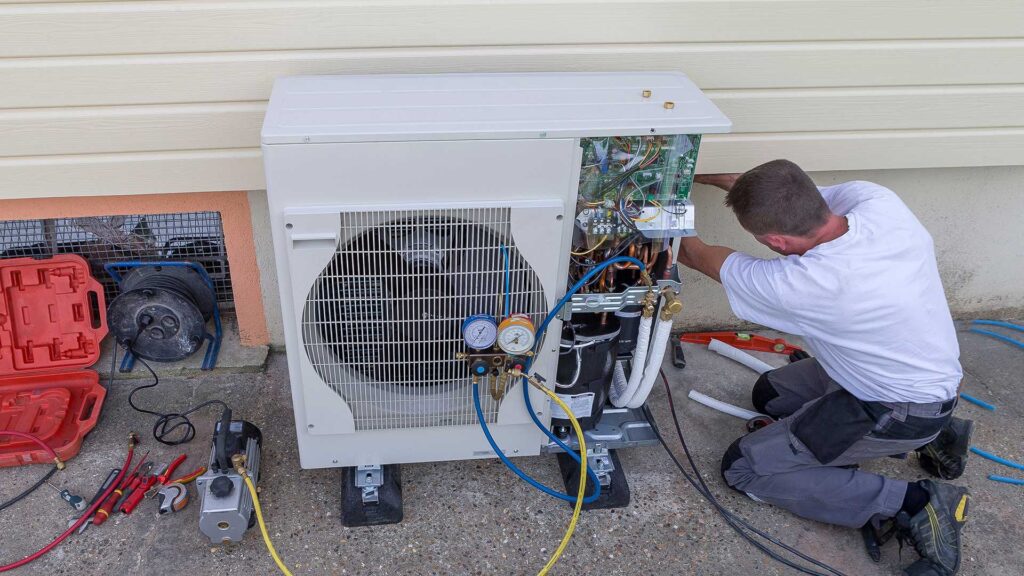
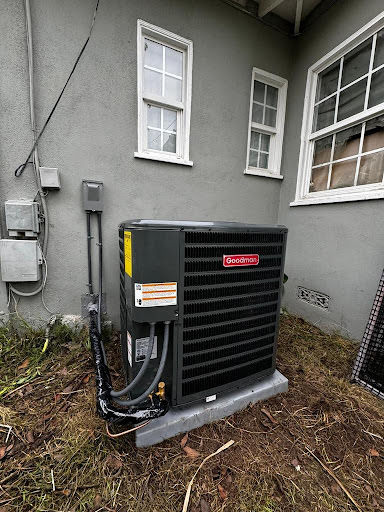
Living in Los Angeles means earthquakes are just part of life. But here’s something most people don’t think about that outdoor residential AC maintenance Los Angeles unit sitting next to your house can turn into a very expensive wrecking ball when the ground starts shaking. Why AC Units Go Flying During Quakes Here’s the thing about earthquakes they don’t just gently rock things back and forth. They slam everything sideways with incredible force. Your AC condenser probably weighs somewhere between 150 to 300 pounds. Sounds pretty heavy, right? Well, during a strong quake, that weight doesn’t mean much. The unit can slide across your yard like it’s gliding on ice. Without proper anchoring, these units tip over and crash into walls. Sometimes they flip completely upside down. The refrigerant lines get twisted and torn apart. Electrical connections rip right out. After the 1994 Northridge earthquake, one homeowner found their AC unit sitting three feet away from where it started. The repair bill? A hefty $4,200. What Goes Wrong with Loose Units When AC units aren’t secured, they create a chain reaction of problems: Gas lines can rupture if the unit crashes into them Water pipes break from impact damage Windows shatter when units slide into them Electrical systems short out from torn connections Foundation damage happens from heavy impacts And here’s a kicker – your insurance might not cover earthquake damage. Most standard policies exclude it unless you pay extra for earthquake coverage. How to Anchor Your Unit Properly Securing an AC unit really isn’t that complicated. You just need the right equipment and know-how. Concrete pad installation is your best bet. The unit sits on a reinforced concrete slab that’s bolted deep into the ground. This gives you rock-solid stability. Metal strapping connects the unit directly to your house foundation. But don’t go cheap here – use galvanized steel straps that are rated for seismic activity. Flimsy strapping will snap under pressure. Flexible connections are crucial too. Rigid gas and electrical lines break easily when things start shaking. Flexible connectors can bend without breaking. Professional residential AC maintenance Los Angeles technicians can take a look at your current setup and tell you what needs upgrading. They know the local building codes and earthquake requirements inside and out. Red Flags to Check Right Now Walk outside and take a look at your AC unit. Give it a gentle push, does it wobble? That’s not good. Are the mounting bolts looking rusty or loose? Can you see gaps between the unit and whatever it’s sitting on? Check out those refrigerant lines too. Do they have flexible sections, or is it all rigid copper piping? Rigid lines are earthquake disasters waiting to happen. Don’t forget the electrical connections. Loose wiring becomes seriously dangerous when everything’s shaking around. The Numbers Don’t Lie Getting your unit properly secured typically costs between $300 and $800. Compare that to replacing your entire system after earthquake damage. A brand new AC installation will run you anywhere from $3,000 to $7,000. Add in potential damage to your home’s siding, windows, or foundation, and you’re looking at some really big numbers. By the way, some cities actually offer rebates for seismic upgrades. It’s worth checking with your local building department to see what programs might be available. Don’t Wait Until It’s Too Late The next major earthquake isn’t a question of if it’s when. Your AC unit doesn’t have to become another casualty. Simple anchoring systems protect both your investment and your property. Don’t wait until you’re out there picking up the pieces.