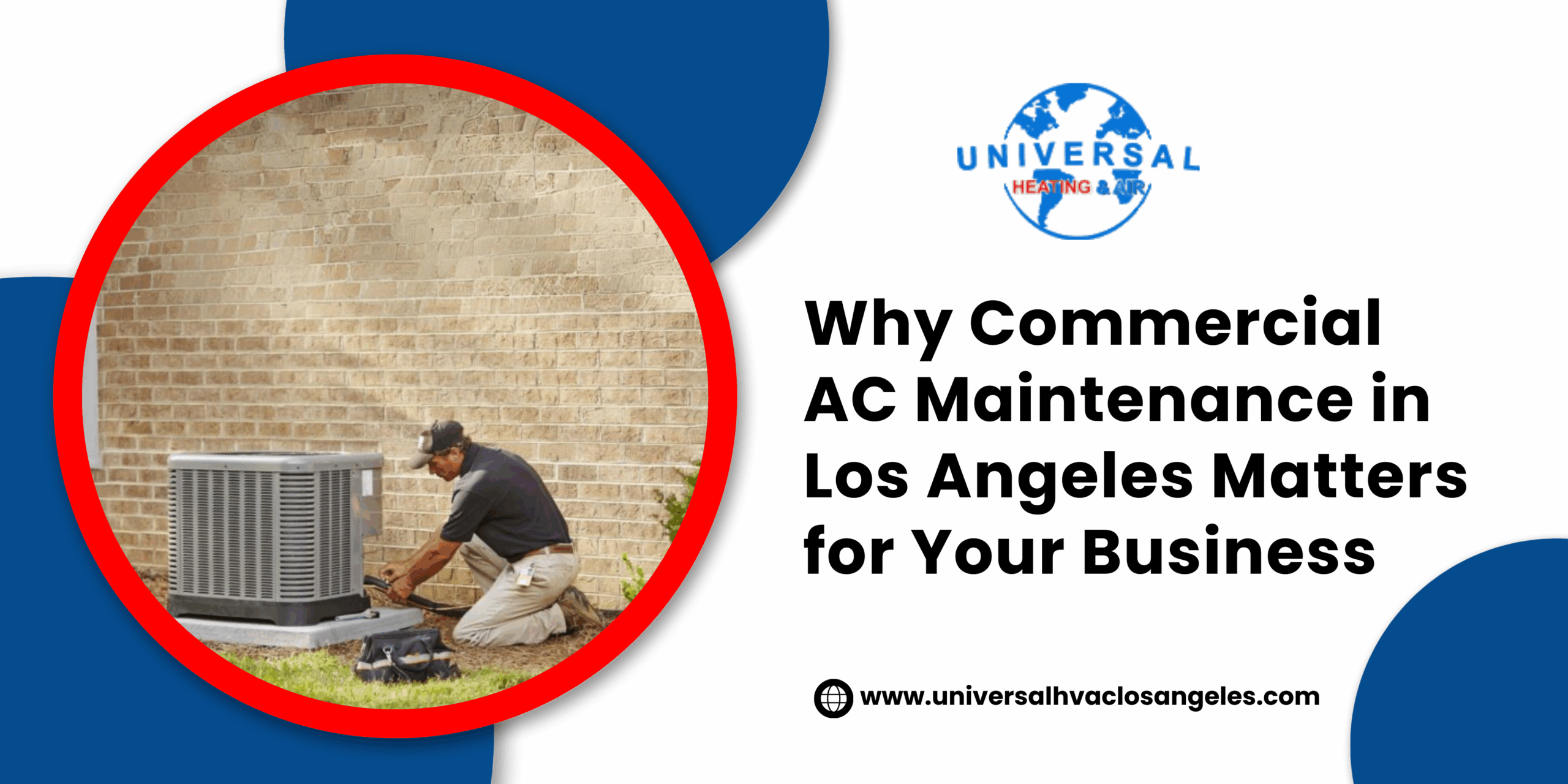
Your business has a ton of things going on. The last thing you want is your AC system breaking down when it’s 95 degrees outside. In Los Angeles, where the heat can come out of nowhere, keeping your cooling system working isn’t just about staying comfortable. It’s about keeping your business running smoothly and your costs from spiraling out of control.
What Happens When You Skip Maintenance
Here’s the thing about ignoring air conditioning problems: they don’t just appear overnight. They sneak up on you. Dust clogs your filters. Refrigerant levels drop without you noticing.
Coils get blocked up. Each small issue feeds into the next one, and before you know it, your unit is working twice as hard to cool the same space. Your energy bills jump up. Your team gets cranky when the office turns into a sauna. Your customers definitely notice the difference too.
And honestly? Emergency repairs will cost you way more than regular maintenance ever would. If something fails on a Friday afternoon, you’re paying premium rates for emergency service. That downtime directly hurts your bottom line.
Why Los Angeles Businesses Need to Pay Attention
The weather here doesn’t make things easy. Summer temperatures push systems to their absolute limit constantly. Without proper care, your equipment ages faster than it should. Parts wear out quicker. You’ll need to replace things years sooner than necessary.
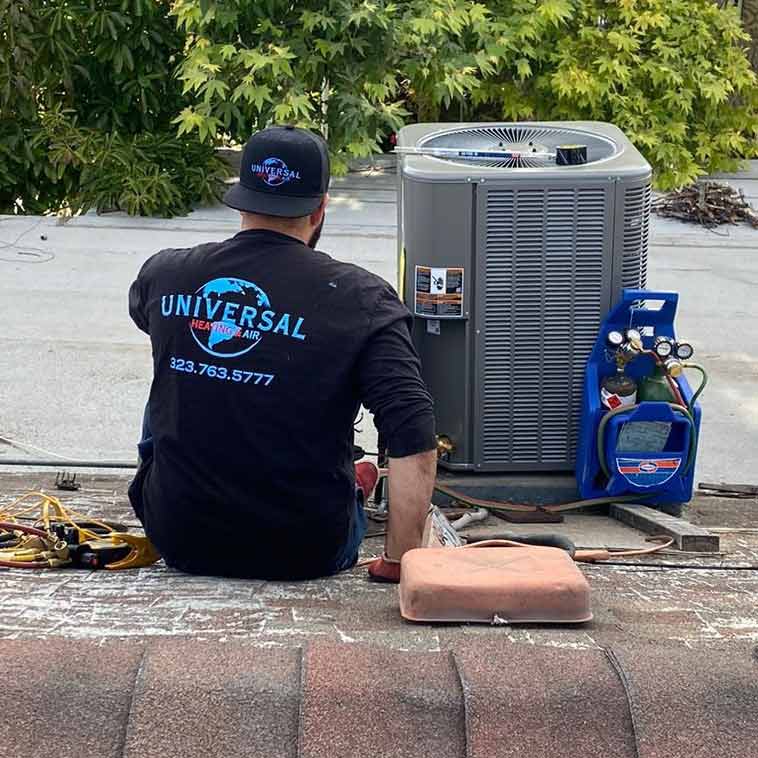
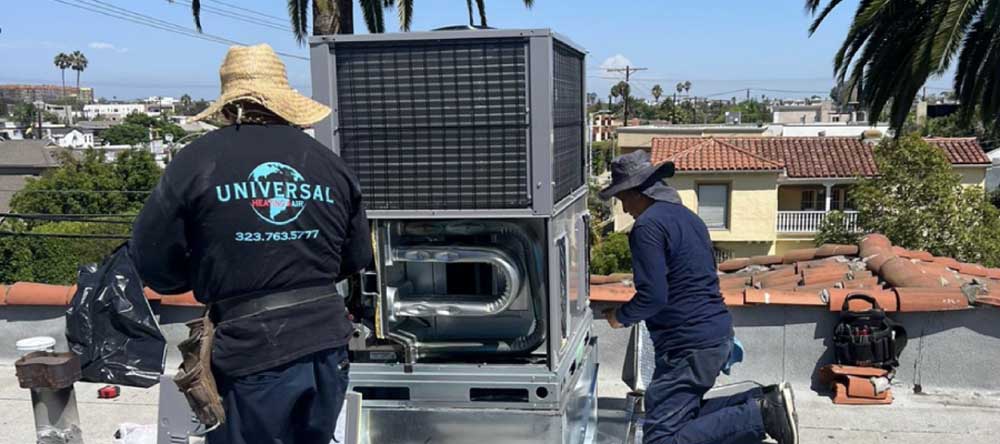
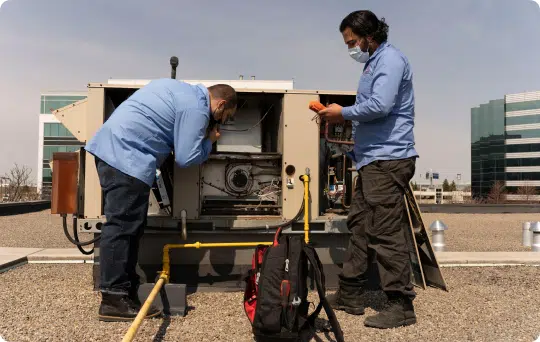
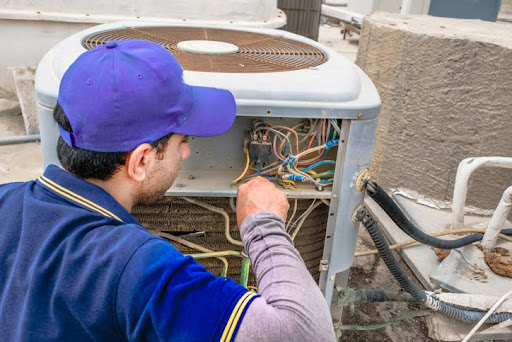
Getting regular commercial AC maintenance Los Angeles keeps your system running at full strength. Routine service catches small problems before they become massive headaches. Technicians clean everything, check all the connections, test how things are performing, and catch any signs of wear before they become real issues.
The Real Benefits
When you stick with regular maintenance, you actually see real results:
- Your energy bills stay reasonable instead of jumping through the roof
- Equipment lasts longer and doesn’t give you constant problems
- Breakdowns happen rarely, not all the time
- Your team stays cool and stays focused on work
- Customers walk into a space that feels consistently comfortable
A well-maintained system also keeps you compliant with building codes and lease agreements. Most commercial properties actually require documentation of maintenance. Regular service creates that record and protects you legally.
Getting Ahead of Problems
The smart move is staying on top of things before something breaks. Instead of waiting for a failure, routine maintenance keeps everything working the way it should. Technicians replace worn filters, clean out ducts, and make sure refrigerant levels are exactly right. This kind of preventative work stops those emergency calls that disrupt your entire day.
Businesses in Los Angeles operate in a tough market where reliability counts. Tenants expect the AC to work. Customers notice whether the space feels good. Employees actually work better when conditions are stable and comfortable.
Bottom Line
Skipping AC maintenance might save you money this month, but it’ll cost you way more later on. Regular service protects what you’ve invested in your equipment, keeps energy bills under control, and stops costly emergencies from happening.
For any business in Los Angeles, making AC maintenance a real priority instead of something you get around to eventually just makes sense. Your system keeps running. Your business keeps moving forward.
Frequently Asked Questions (FAQs)
1. Why is commercial AC maintenance important for businesses in Los Angeles?
Los Angeles experiences sudden heat waves that put heavy strain on commercial AC systems. Regular maintenance helps prevent breakdowns, keeps energy costs under control, and ensures a comfortable environment for employees and customers.
2. What problems can occur if commercial AC maintenance is skipped?
Skipping maintenance can lead to clogged filters, dirty coils, low refrigerant levels, higher energy bills, uneven cooling, and unexpected system failures that require costly emergency repairs.
3. How often should a commercial AC system be serviced?
Most commercial AC systems should be serviced at least twice a year, typically before the summer and after peak usage. High-use businesses may need more frequent inspections to maintain optimal performance.