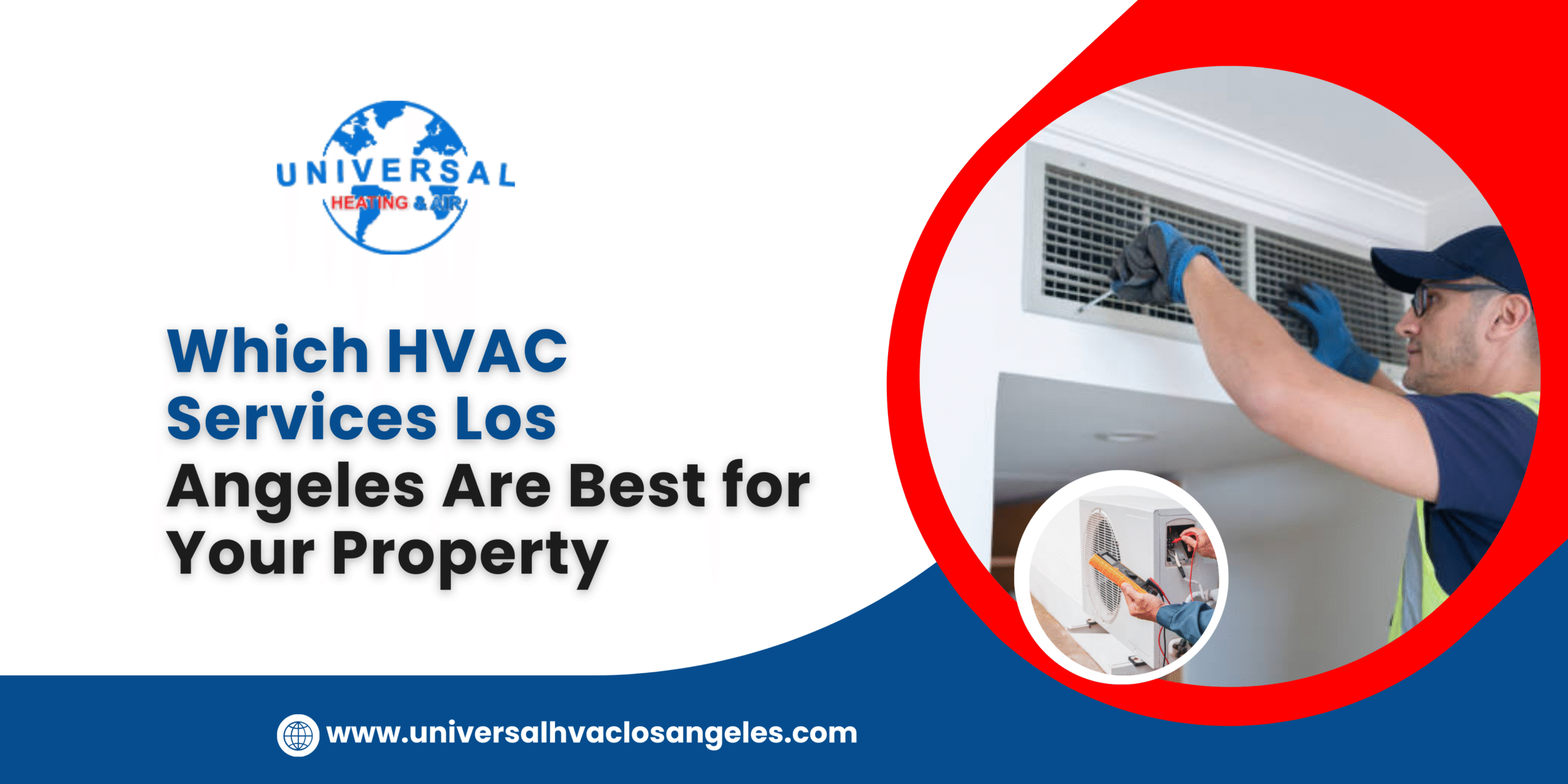
Getting your HVAC system right really matters. Think about it, your home’s comfort comes down to whether your temperature stays consistent, humidity doesn’t go crazy, and the air quality stays decent.
All of that depends on what system you pick and how well you maintain it.
Los Angeles properties deal with their own set of challenges. Heat builds up fast in the summer. Cooling needs go through the roof. Winter’s milder here, but you still need heating for those cooler evenings.
So here’s the real question: what does your specific property actually need?
Understanding Your Property’s Needs
Every property is different. A small apartment doesn’t need the same setup as a big house. Commercial spaces have totally different requirements.
Start by looking at your square footage, how well insulated your place is, and how old your current system actually is.
Older units are real energy hogs. They work overtime just to keep the temperature steady. Newer systems? They run way more efficiently and cost way less to operate every month. You’ll see the difference pretty quickly on your utility bills.
Types of Services That Matter
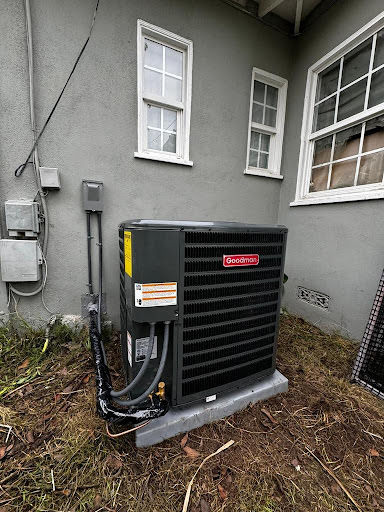
When you’re looking for HVAC services Los Angeles can provide, there’s quite a bit to know about. You’ve got air conditioning installation and repair when things get hot, heating system maintenance for the cooler months, system replacements when your unit gives up or gets too old, and regular tune-ups to keep everything running smoothly.
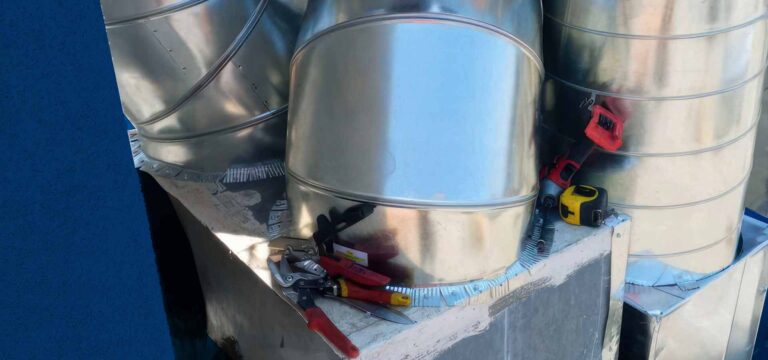
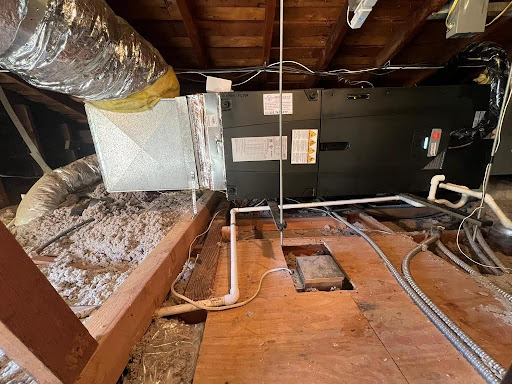
There’s also air quality improvements through better filtration and ductwork inspection plus cleaning.
Each service handles different situations. Maybe your place needs emergency repairs right now. Or perhaps preventive maintenance would help stop problems before they start and save you headaches later.
Maintenance Keeps Systems Running
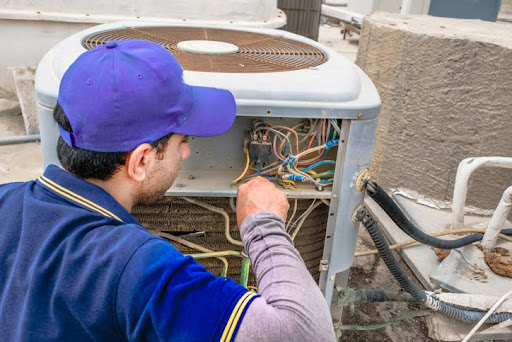
Here’s something simple but important: regular check-ups catch problems early. Routine maintenance? Technicians find worn parts, filters clogged with dust, refrigerant leaking. Small stuff you’d never notice until it turns into a breakdown.
Fixing minor issues now costs way less than replacing a burned-out compressor later. And yeah, systems that get looked at regularly just last longer. They don’t have to work as hard.
Seasonal tune-ups just make sense. Get your cooling system checked before summer heat hits. Have your heating system inspected before winter arrives. This way everything’s ready to go when you really need it.
Choosing the Right Service Provider
You want someone who actually knows what they’re doing. Technicians familiar with Los Angeles properties understand the local climate and what problems show up regularly.
They can work with different system types and brands. How fast they respond matters too. When your system breaks down, you don’t want to wait days without comfort in your home.
Also look for straightforward pricing. Good service providers explain what work needs doing and why they’re recommending it. You shouldn’t see hidden fees pop up. Clear estimates help you make smart decisions about your money.
Final Words
Your comfort at home and what you’re spending on energy each month? That comes down to choices you make now.
Look at what your property actually needs. Is your current system still doing its job or showing its age? Regular maintenance stops most problems before they happen.
When repairs or replacement become necessary, find professionals who know Los Angeles properties and can work within what you’re trying to spend. Someone who explains things clearly instead of throwing technical jargon at you.
Frequently Asked Questions (FAQs)
1. How do I know which HVAC system is right for my property?
The right system depends on your square footage, insulation quality, and the age of your current unit. Larger homes and commercial spaces require more powerful systems, while smaller properties need properly sized units to avoid energy waste.
2. How often should HVAC systems be maintained?
Most HVAC systems should be serviced at least twice a year once before summer for cooling and once before winter for heating. Regular maintenance helps prevent breakdowns and extends system lifespan.
3. What are signs my HVAC system needs repair?
Common signs include inconsistent temperatures, unusual noises, weak airflow, rising energy bills, or poor indoor air quality. Addressing these early can prevent major system failures.
4. Is it better to repair or replace an older HVAC unit?
If your system is over 10–15 years old and requires frequent repairs, replacement is often more cost-effective. Newer systems are more energy-efficient and reduce monthly utility costs.