
You live in Los angles, so earthquakes happen. That’s just how it is. Most people worry about their TV falling over or making sure they have enough water stored up. But what about your air conditioner?
Here’s the thing – when an earthquake messes up your HVAC Services Los Angeles , you’re stuck sweating it out while everyone else is calling for repairs too. Not exactly ideal when it’s 90 degrees outside.
Your Outdoor Unit Needs Help
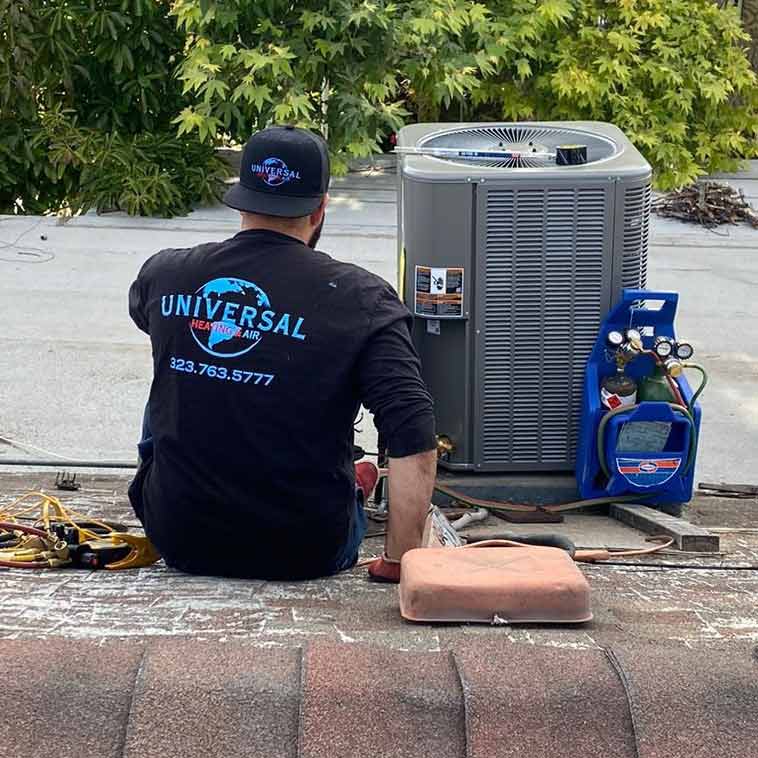
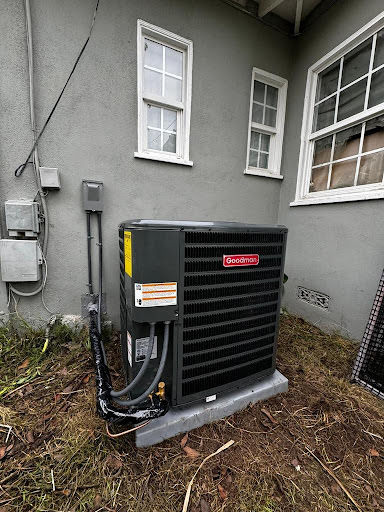
That big AC unit sitting outside your house? It’s heavy, but earthquakes can still knock it around. Sometimes they tip over completely. When that happens, those refrigerant lines going into your house can snap right off. The electrical stuff gets wrecked too.
So check how it’s attached. The unit should be bolted down tight to that concrete pad underneath. Look for loose bolts or cracks. See something wrong? Get someone out to fix it before the next big one hits.
You can also add earthquake straps – they’re like metal brackets that hold everything in place. They still let the unit move a little when the ground shakes, but they stop it from falling over or sliding away.
Don’t Forget What’s Inside
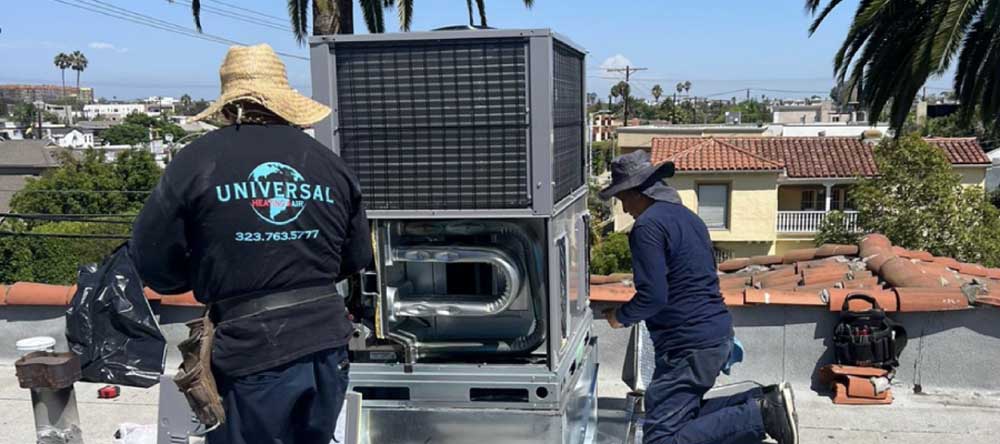
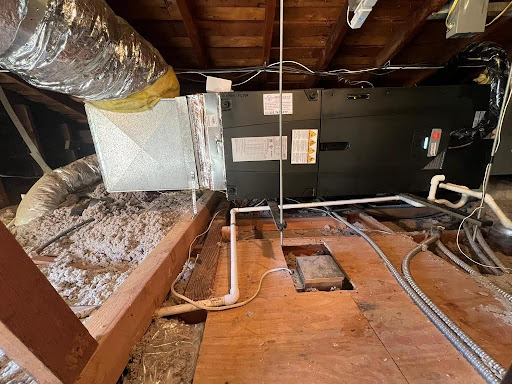
Your central air system has parts inside your house too. The evaporator coil is probably up in your attic somewhere. Your furnace and air handler also need to stay put during a quake.
These should be strapped down to the wall studs or floor. Check those brackets every once in a while. If they look rusty or loose, replace them. And make sure your ductwork can bend a bit without breaking.
Got mini-splits on your walls? Those mounting brackets need to be solid. The refrigerant lines between your indoor and outdoor parts should be supported every few feet so they don’t sag or pull loose.
Keep Stuff Away
Here’s something most people don’t think about – things fall during earthquakes. And when they land on your AC equipment, that’s bad news.
Keep boxes, tools, and random junk away from your AC parts. Trim any tree branches that could come crashing down on your outdoor unit.
Your outdoor unit needs breathing room anyway – at least two feet all around it. This also means less chance of something falling on it and causing damage.
Get a Pro to Look Things Over
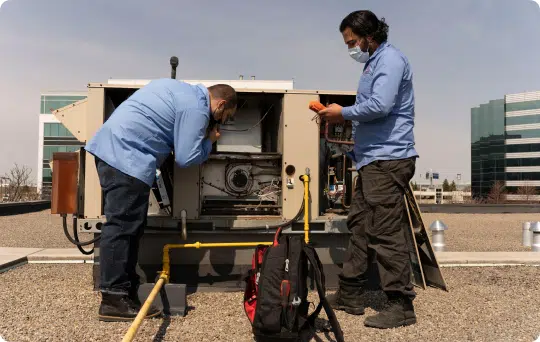
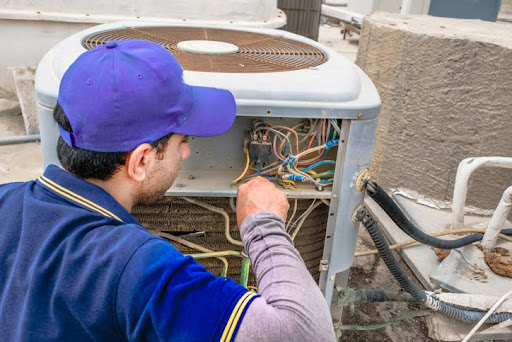
HVAC Services Los Angeles techs know what to check for earthquake safety. They’ll spot problems before they turn into disasters. They look at your electrical connections, how your refrigerant lines are mounted, and all the hardware holding everything together.
Get them out once a year for maintenance. They can tighten loose stuff and replace worn-out straps. Plus they know if your system meets the current safety codes.
What to Do After an Earthquake
Keep your HVAC company’s phone number handy. After any earthquake, turn your AC off until you can check it out. Look for bent pipes, damaged wires, or anything that looks wrong.
Don’t mess with it yourself though. Refrigerant systems need special equipment and training. Same with electrical work – that stuff needs permits and know-how. Let the pros handle it.
Take pictures of your system while it’s still working fine. This helps with insurance claims later and shows the repair guys how everything’s supposed to look. Write down model numbers and when things were installed too.
Maybe It’s Time to Upgrade
If your AC system is old – like more than 15 years old – it might not be up to current earthquake standards. Newer heat pumps and central air systems have better mounting options. Modern mini-splits come with stronger wall brackets made for earthquake zones.
New equipment also saves energy and has better safety features. And when pros install it, they’ll mount everything right from the start.
Wrapping Up
Getting your AC ready for earthquakes isn’t rocket science. But it’s smart to do it now instead of dealing with no cooling after the next big shake. Regular checkups, solid mounting, and having a good repair company on speed dial that’s all it takes. A little work now beats sweating through the aftermath later.