
Wildfire season hits Los Angeles hard every year. Smoke drifts through neighborhoods for weeks… sometimes months. Your heating system? It’s probably not ready for what’s coming. Most homeowners don’t think about air quality until they’re coughing indoors.
Check your air filters first
Okay, so… basic stuff first. When did you last change your air filter?
Can’t remember? That’s a problem.
During wildfire season, regular filters won’t cut it. You need HEPA filters – the good ones that catch tiny smoke particles. Standard filters let smoke waltz right through. Switch to HEPA and change them every 30 days when smoke gets heavy.
Some systems can’t handle thick HEPA filters though. They restrict airflow too much. Check your system’s specs or call someone who knows.
Seal up the gaps
Your heating system pulls air from… well, everywhere. Leaky ducts suck in smoky air from crawl spaces and attics. Not great when you’re trying to breathe clean air inside.
Walk around your house. Feel for air leaks near windows, doors, and vents. That little whistle of air coming through? That’s smoke’s favorite entrance.
Weatherstripping helps. So does caulk. But ductwork leaks need professional attention. Heating Services Los Angeles companies can find and seal those hidden gaps you’ll never spot.
Your HVAC settings matter more than you think
Here’s something most people mess up – they keep their system on “auto” during smoke events.
Bad move.
Switch to “on” instead of “auto.” This keeps air circulating constantly through your filters. Yeah, it uses more energy. But it also means cleaner indoor air.
Close all windows and doors. Turn off exhaust fans in bathrooms and kitchens – they pull smoky outdoor air inside. Your house becomes a sealed box with filtered air.
Some newer systems have an “air cleaning” mode. Use it.
Time to upgrade your filtration game
Standard HVAC filters aren’t built for wildfire smoke. The particles are too small.
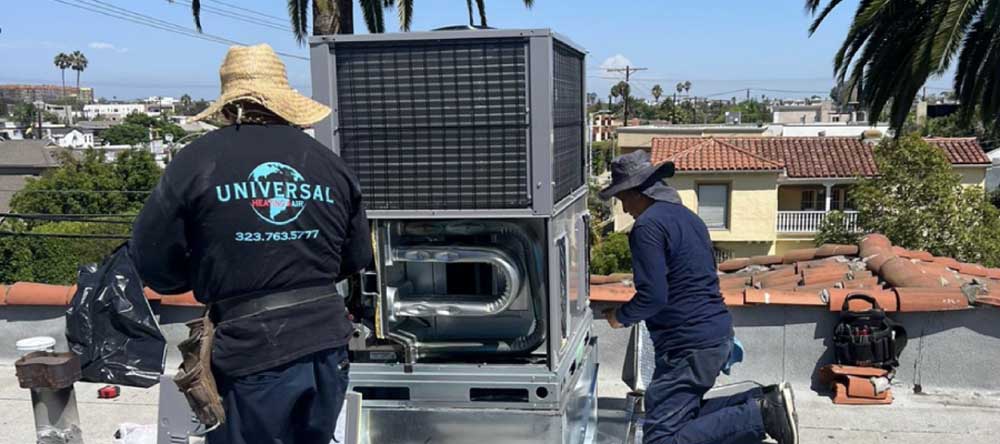
Consider adding a whole-house air purifier to your system. These work alongside your regular HVAC to catch what standard filters miss. Installation isn’t DIY territory – you’ll need a pro.
UV lights in your ductwork kill bacteria and viruses but don’t help with smoke particles. Don’t get confused about what does what.
Electrostatic filters sound cool but they’re hit or miss with smoke. Stick with proven HEPA technology.
Maintenance you can’t skip
Dirty coils make everything worse. When your evaporator coils are caked with dust, airflow drops. Poor airflow means less air gets filtered.
Clean coils also help your system run more efficiently when it’s working overtime during smoke season.
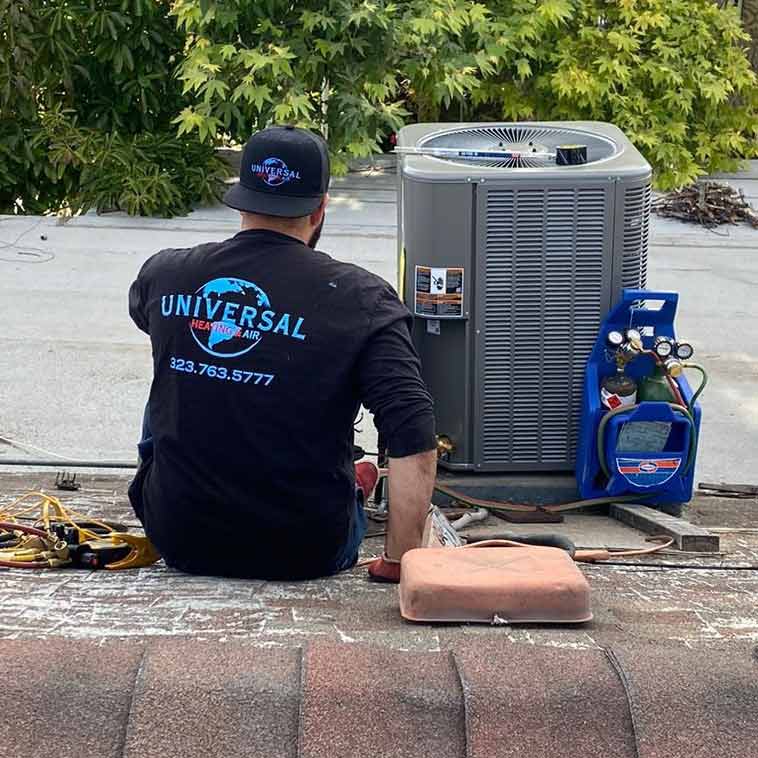
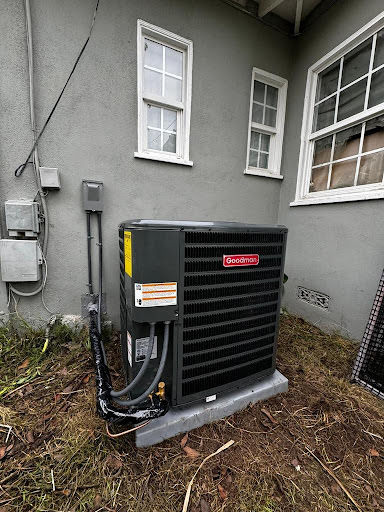
Check your outdoor unit too. Ash settles on condenser coils and clogs them up. Gentle hosing helps, but be careful not to bend the fins.
Know when to call for backup
Your heating system works hard during wildfire season. Constant operation, thick filters, sealed houses – it’s all extra stress.
Strange noises? Weak airflow? Higher electric bills than usual? These signal your system is struggling.
Don’t wait for complete failure. Schedule maintenance before wildfire season hits peak intensity.
Final thoughts
LA wildfire smoke isn’t going anywhere. Your heating system can be your best defense against poor indoor air quality… if it’s ready.
HEPA filters, sealed ducts, proper settings, and regular maintenance make the difference between breathing clean air and dealing with smoke indoor all season long. Start preparing now, not when the sky turn orange.