What You Need to Know About HVAC System Installation in Los Angeles

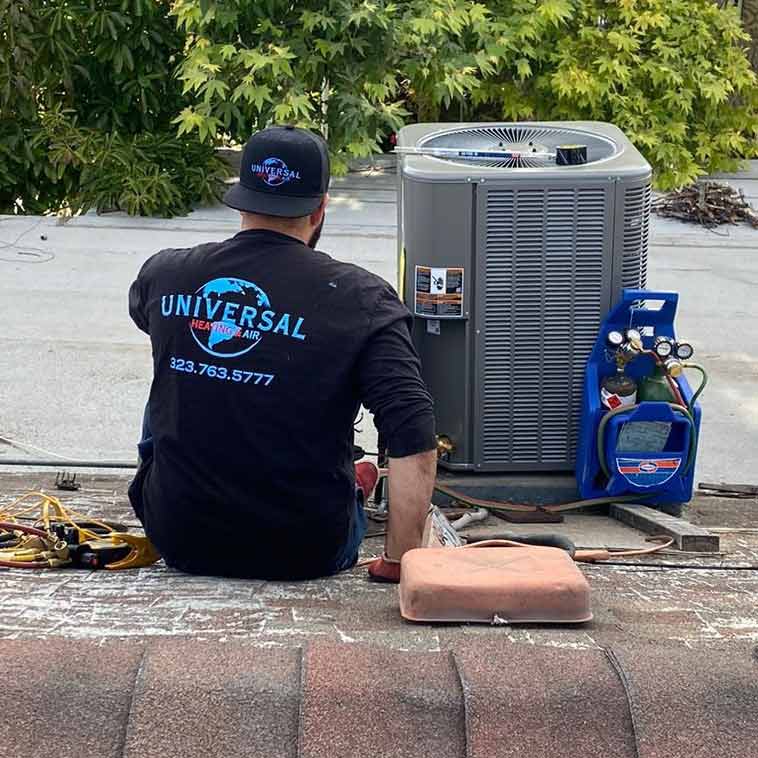
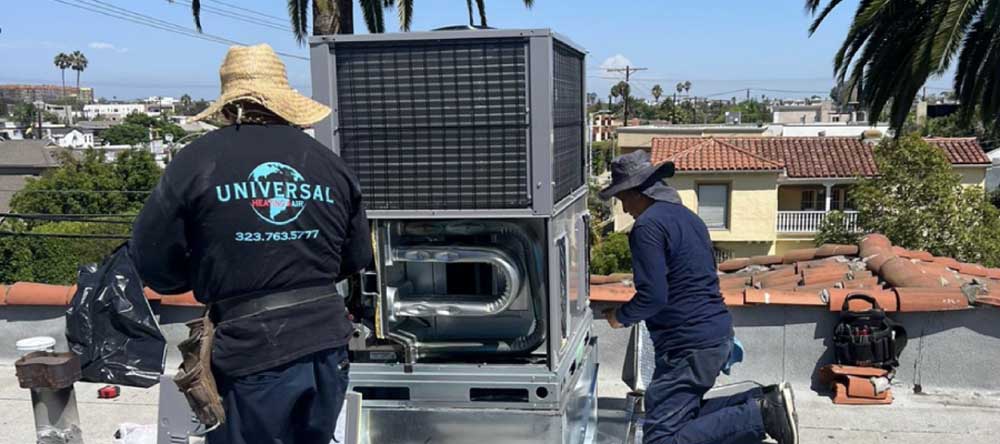
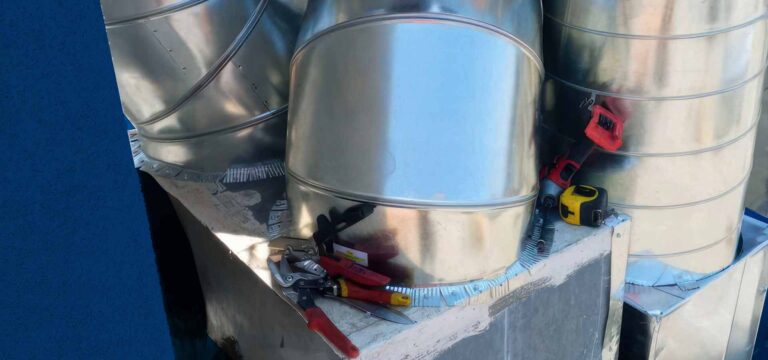
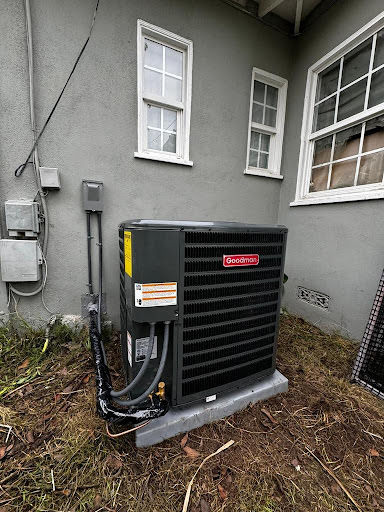
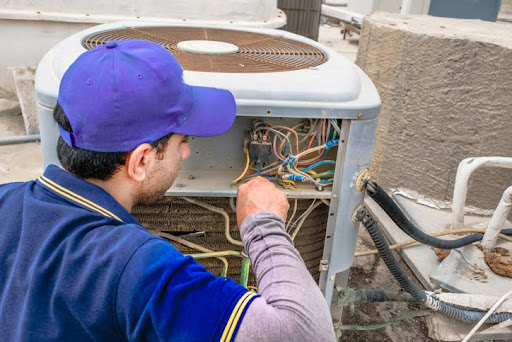
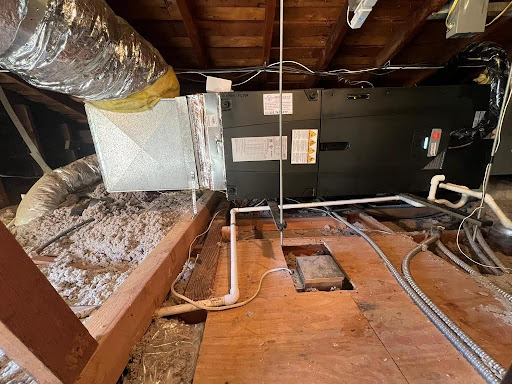
Most people don’t think about their HVAC system until something goes wrong. But here’s the thing: timing really matters, especially in LA. When summer heat hits and your system fails, you’re suddenly dealing with discomfort and scrambling to find help. That’s why understanding what goes into HVAC system installation in Los Angeles actually helps you make better decisions before you’re stuck in a crisis. Why Timing Matters in LA Los Angeles heat is no joke. Summer temperatures climb fast, and older units just can’t keep up with the demand. If you wait until your system completely fails, you’ll be making rushed decisions under pressure, and that usually means spending more money than you need to. Getting ahead of the problem means you can pick the right equipment and find a good installer without all that stress hanging over your head. What Happens During Installation Installing a new HVAC system involves way more than just swapping out old equipment for new. Technicians look at your home’s size, how well it’s insulated, and the layout. They’ll check your ductwork for leaks or any damage that needs fixing. Getting the unit sized right is crucial because if it’s too small, it’ll run constantly trying to cool your place. Too big, and it’ll turn on and off inefficiently, wasting energy. The actual installation process takes time. Crews need to remove your old equipment, prepare the space, mount the new components, and run tests to make sure everything works. Charging the refrigerant correctly matters a lot. Electrical connections have to be accurate. The ductwork needs proper sealing. These are the things that separate real quality work from jobs where shortcuts get taken. Choosing the Right System Not all homes need the same setup. Some properties work better with traditional split systems, while others benefit from different approaches. Energy efficiency ratings vary depending on the model you pick. Noise levels are different too. And warranty coverage changes based on what equipment you choose and how well the installation’s done. When you work with local contractors who know LA, they understand what systems actually handle the heat effectively. Plus, they’re familiar with local building codes and what permits you’ll need to get approval. Installation Costs and Planning What you’ll pay depends on a bunch of factors: System size and what type you’re getting Your home layout and the condition of your ductwork Removing old equipment Permit and inspection fees What warranty options you want Talk to a few different companies and get quotes. When you’re comparing them, pay attention to what’s included. Some quotes cover permits and inspections, but others don’t. Ask about warranties on both the parts and the labor. Sometimes really cheap installations mean they’re cutting corners on quality work. After Installation Once you’ve got a new system, keeping it running well means regular maintenance. Change your filters. Get the coils cleaned. Check that refrigerant levels are right. Annual tune-ups can catch small issues before they turn into expensive repairs down the road. Good installation creates the foundation for years of reliable operation. But poor installation? That’s when problems pop up months later when you least expect them. Final Words Getting HVAC system installation done right in Los Angeles takes real planning and skilled work. You’ll make better choices when you understand what the process involves, compare your options, and pick installers who actually know what they’re doing. The right system, installed properly, keeps your home comfortable through those hot LA summers while keeping your energy bills reasonable. Don’t wait for things to break. Plan ahead and you’ll save yourself a lot of headaches. Frequently Asked Questions (FAQs) 1. How do I know when it’s time for HVAC system installation in Los Angeles? If your HVAC system struggles during hot Los Angeles summers, runs constantly, or no longer cools your home evenly, it may be time for a new installation. Older units often can’t handle rising temperatures efficiently, leading to higher energy bills and frequent repairs. Planning installation before a complete failure helps you avoid emergency decisions and unnecessary costs. 2. Why does timing matter for HVAC system installation in Los Angeles? Timing matters because HVAC demand spikes during LA’s summer heat. Waiting until your system fails can mean higher prices, limited availability, and rushed choices. Installing before peak season allows you to compare systems, choose energy-efficient options, and work with experienced local contractors without pressure, saving money and reducing stress. 3. What happens during HVAC system installation? HVAC system installation involves more than replacing old equipment. Technicians assess your home’s size, insulation, and ductwork condition, ensure proper system sizing, remove old units, install new components, seal ducts, connect electrical systems, and test performance. Proper refrigerant charging and airflow checks are critical to long-term efficiency and comfort.
How to Choose the Right HVAC System Installation in Los Angeles
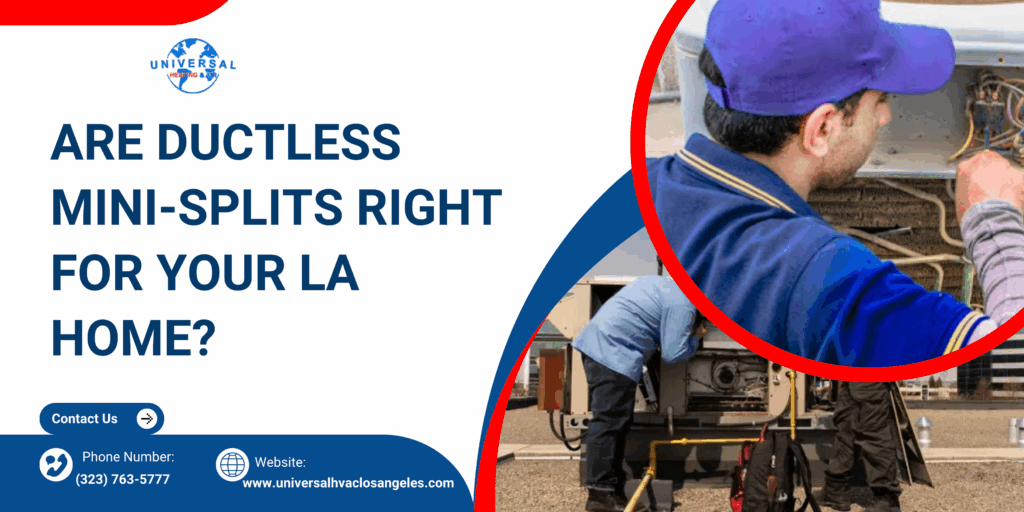
So you need an HVAC system installation in Los Angeles. Here’s the thing: this isn’t a decision you want to make on a whim. The system you end up with directly affects how comfortable your home feels, what you’re paying each month for energy, and how long your equipment actually lasts. Since LA gets pretty intense heat, you need a setup that’s genuinely built for what your home needs. Size Matters More Than You’d Think Most people don’t catch this until it’s too late, but getting the wrong size unit creates real headaches. An oversized system kicks on and off constantly, which wastes energy and burns through your equipment way faster than it should. On the flip side, a unit that’s too small works overtime just trying to keep up with the heat, and your energy bills skyrocket. A pro will look at your home’s square footage, how well it’s insulated, where your windows are, and the local climate to nail down exactly what you need. Energy Efficiency Saves Real Money LA summers aren’t playing around. An efficient system doesn’t have to work as hard during peak heat, which means your monthly bills stay reasonable. You’ll want to check the SEER ratings on anything you’re considering, since higher numbers mean the system’s actually efficient. Yeah, the upfront cost is steeper, but here’s what happens: that investment pays for itself over a few years through lower utility bills. Tons of homeowners see the difference pretty quickly. Installation Quality Determines Everything Here’s where things get critical. Even top-notch equipment won’t perform if the installation is sloppy. Proper setup means getting these things right: Refrigerant charge levels that match specs Ductwork is sealed tight, so nothing leaks Airflow is working the way it should Electrical connections installed safely Cutting corners on installation leads to constant breakdowns, worse performance, and repair bills that’ll make you wince. Skilled technicians stick to what the manufacturer says and follow local codes to get it done correctly from day one. Consider Your Home’s Layout Los Angeles has all kinds of homes, right? The older ones often have ductwork that’s seen better days or layouts that are anything but standard. Newer builds might need a totally different approach. The installation crew should walk through your space and suggest solutions that actually work for you, not just cookie-cutter recommendations that work for anybody. Maintenance Plans Keep Systems Running Once your system’s installed, you’ve got to keep up with it. Filters get dirty, refrigerant leaks happen, and parts wear out. Regular maintenance catches small problems before they turn into expensive nightmares. Think of it as keeping your AC from becoming a money pit down the road. Get Multiple Assessments Whatever you do, don’t just go with the first company that walks through your door. Different contractors assess homes in different ways and come up with varying solutions. Getting a few quotes helps you figure out what your home genuinely needs versus what someone’s just trying to sell you for profit. Final Words Picking the right HVAC system installation in Los Angeles means looking beyond just the price. What matters is finding the right size, checking those efficiency ratings, making sure installation’s done properly, and staying on top of maintenance. A system that’s chosen carefully and installed right keeps your home comfortable all year without emptying your bank account. Take the time to really understand what you’re looking at and work with people who care about your home’s needs more than making a quick sale. Frequently Asked Questions (FAQs) 1. How do I know what size HVAC system my Los Angeles home needs?A professional HVAC contractor performs a load calculation based on square footage, insulation, windows, layout, and LA’s climate to determine the correct system size. 2. What happens if my HVAC system is oversized or undersized?An oversized system wastes energy and wears out faster, while an undersized unit struggles to cool your home and increases energy bills. 3. What SEER rating is recommended for Los Angeles homes?Most Los Angeles homeowners benefit from systems with a SEER rating of 16 or higher for improved efficiency during long, hot summers.
Post-Wildfire Air Quality and Your HVAC
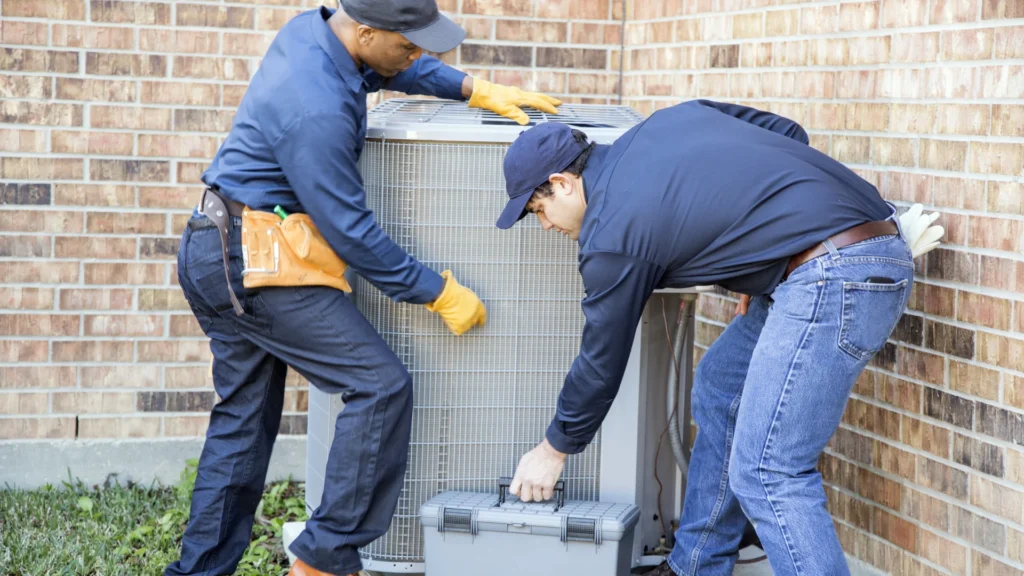
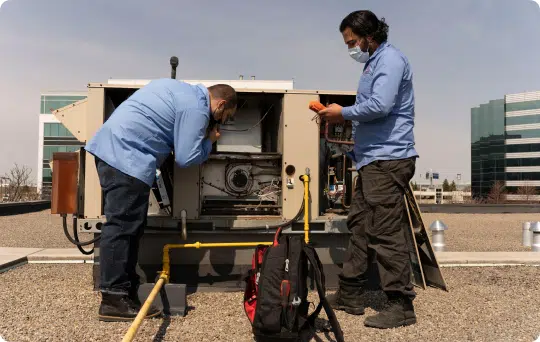
Here’s what’s completely ridiculous most people’s air at home Los Angeles after a wildfire is a total mess, but nobody talks about what really lingers. HVAC Services Los Angeles It’s not just about the smoky smell or that gray dust on the window sills. The air inside is packed with smoke, ash, and microscopic junk that just hangs around. What drives experts nuts is how these particles bypass basic home defenses and settle everywhere. The reality is, the HVAC system becomes the only shield anyone has left but only if the thing isn’t already wearing itself out. What Wildfire Smoke Does to Indoor Air Most people mess this up: closing the windows doesn’t mean safety. Smoke and its tiny particles sneak right into homes through vents, gaps, and doors. These things go deep into lungs, and that’s why headaches, breathing trouble, and scratchy throats show up long after the fires go out. And, here’s the thing HVAC systems pull in air nonstop. When that air is loaded with smoke and ash, the system clogs up faster than anyone expects. Filters get choked fast. Ducts start holding onto soot. The whole setup gets weighed down. Filter Changes Matter More Now So many homeowners just pop in regular filters and call it done. Bad idea. Standard ones are like cobwebs against a tidal wave; they’re built for basic dust and allergies, not wildfire smoke. This stuff is finer, stickier, way tougher to block. Experts have found that switching to high-rated filters (think MERV 11-13) is required if anyone wants to stand a chance. These catch more of the nasty particles but keep the airflow steady. Here’s what most people hate: those need checking way more often, at least every week after a wildfire, and replacements have to come fast no more just once a season. Duct Cleaning Removes Hidden Ash Hidden ash in ducts? Most people don’t even think about it, but that’s the crazy part. Every time the system kicks on, all the leftover soot and ash goes blasting back into the house. That means breathing the same garbage, over and over. The difference between cheap hacks and real improvement is professional duct cleaning. It sounds like a pain, but TECHS show up with tools to go deep and pull out layers of gunk—ash, soot, debris—all of it. Anyone skipping this step just keeps recycling smoke. System Checks Prevent Bigger Problems Wildfires don’t just attack the air they mangle the HVAC machinery. Fans run till they whine. Motors overheat while systems struggle. Belts, coils, and seals? Those get hammered. Experts recommend a full inspection, and here’s why: Clogged coils zap cooling power Blower wheels stuffed with dirt strain motors till they break Seals get loose and invite even more lousy air Worn-down belts start snapping, sometimes at the worst moment Quick checks catch problems before the whole thing melts down. Preventing a major bill or a busted system in a heat wave is worth it. Air Purifiers Add Extra Protection Some setups just can’t keep up, especially after big fires. That’s where air purifiers with HEPA filters step in and grab what even upgraded HVAC filters miss. UV lights? Those torch bacteria and mold that show up in smoky, damp conditions. But here’s a warning: these additions help but don’t erase the need for actual HVAC maintenance. Getting Professional Help The biggest issue when people panic post-fire is waiting too long for a fix. Anyone in the know doesn’t waste time they call in pros in HVAC Services Los Angeles right away. These folks see fire damage all the time; they know which parts break down, what really needs cleaning, and which upgrades actually work. Final Words The truth about wildfire smoke is that it keeps wrecking indoor air long after the flames are gone. Most people ignore this and end up with heating and cooling systems that break down, air that stays filthy, and health issues that drag on. The brutal fix? Change filters quick, get ducts cleaned, let real pros check the system, and don’t buy into the “set it and forget it” myth. Act now unless breathing in old wildfire ash sounds like a good plan.