
Most people don’t think about their HVAC system until something goes wrong. But here’s the thing: timing really matters, especially in LA. When summer heat hits and your system fails, you’re suddenly dealing with discomfort and scrambling to find help.
That’s why understanding what goes into HVAC system installation in Los Angeles actually helps you make better decisions before you’re stuck in a crisis.
Why Timing Matters in LA
Los Angeles heat is no joke. Summer temperatures climb fast, and older units just can’t keep up with the demand. If you wait until your system completely fails, you’ll be making rushed decisions under pressure, and that usually means spending more money than you need to.
Getting ahead of the problem means you can pick the right equipment and find a good installer without all that stress hanging over your head.
What Happens During Installation
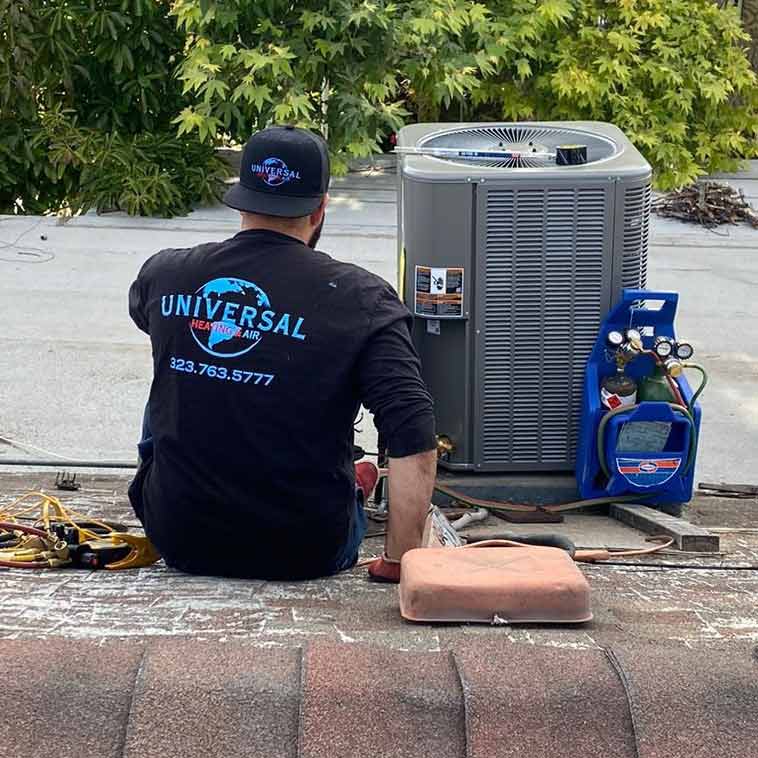
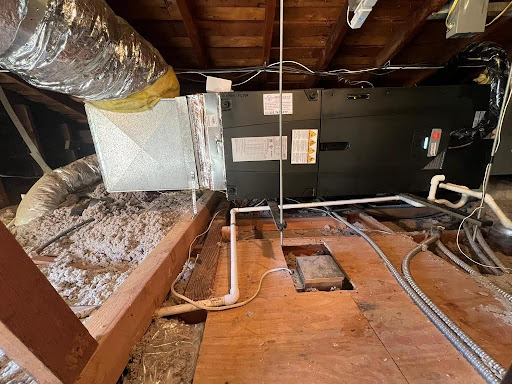
Installing a new HVAC system involves way more than just swapping out old equipment for new. Technicians look at your home’s size, how well it’s insulated, and the layout. They’ll check your ductwork for leaks or any damage that needs fixing. Getting the unit sized right is crucial because if it’s too small, it’ll run constantly trying to cool your place. Too big, and it’ll turn on and off inefficiently, wasting energy.
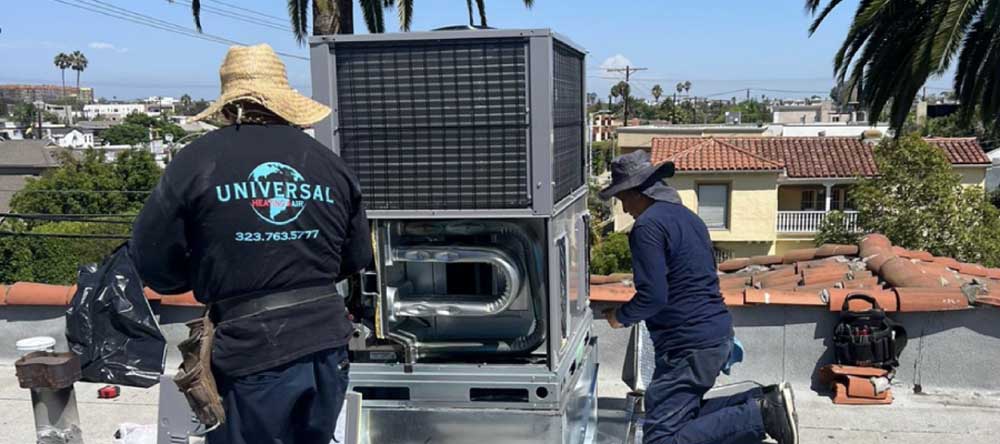
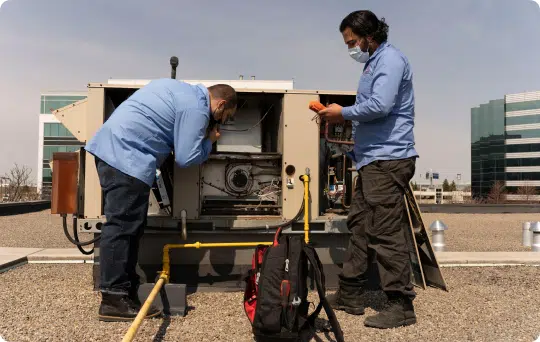
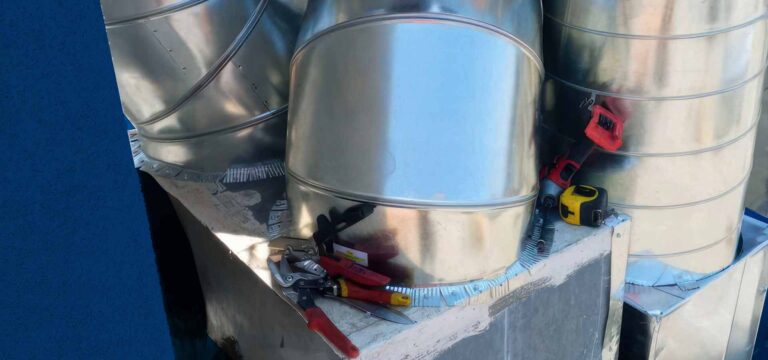
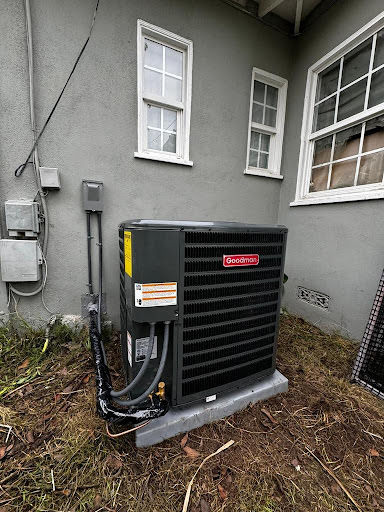
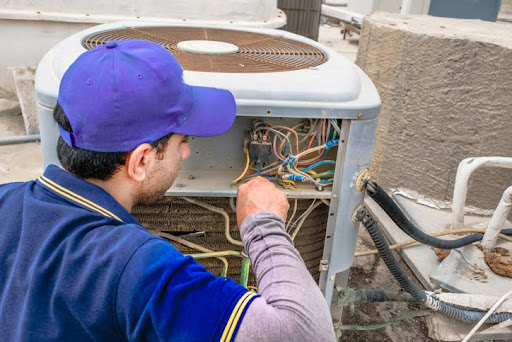
The actual installation process takes time. Crews need to remove your old equipment, prepare the space, mount the new components, and run tests to make sure everything works. Charging the refrigerant correctly matters a lot. Electrical connections have to be accurate. The ductwork needs proper sealing. These are the things that separate real quality work from jobs where shortcuts get taken.
Choosing the Right System
Not all homes need the same setup. Some properties work better with traditional split systems, while others benefit from different approaches. Energy efficiency ratings vary depending on the model you pick. Noise levels are different too. And warranty coverage changes based on what equipment you choose and how well the installation’s done.
When you work with local contractors who know LA, they understand what systems actually handle the heat effectively. Plus, they’re familiar with local building codes and what permits you’ll need to get approval.
Installation Costs and Planning
What you’ll pay depends on a bunch of factors:
- System size and what type you’re getting
- Your home layout and the condition of your ductwork
- Removing old equipment
- Permit and inspection fees
- What warranty options you want
Talk to a few different companies and get quotes. When you’re comparing them, pay attention to what’s included. Some quotes cover permits and inspections, but others don’t. Ask about warranties on both the parts and the labor. Sometimes really cheap installations mean they’re cutting corners on quality work.
After Installation
Once you’ve got a new system, keeping it running well means regular maintenance. Change your filters. Get the coils cleaned. Check that refrigerant levels are right. Annual tune-ups can catch small issues before they turn into expensive repairs down the road.
Good installation creates the foundation for years of reliable operation. But poor installation? That’s when problems pop up months later when you least expect them.
Final Words
Getting HVAC system installation done right in Los Angeles takes real planning and skilled work. You’ll make better choices when you understand what the process involves, compare your options, and pick installers who actually know what they’re doing.
The right system, installed properly, keeps your home comfortable through those hot LA summers while keeping your energy bills reasonable. Don’t wait for things to break. Plan ahead and you’ll save yourself a lot of headaches.
Frequently Asked Questions (FAQs)
1. How do I know when it’s time for HVAC system installation in Los Angeles?
If your HVAC system struggles during hot Los Angeles summers, runs constantly, or no longer cools your home evenly, it may be time for a new installation. Older units often can’t handle rising temperatures efficiently, leading to higher energy bills and frequent repairs. Planning installation before a complete failure helps you avoid emergency decisions and unnecessary costs.
2. Why does timing matter for HVAC system installation in Los Angeles?
Timing matters because HVAC demand spikes during LA’s summer heat. Waiting until your system fails can mean higher prices, limited availability, and rushed choices. Installing before peak season allows you to compare systems, choose energy-efficient options, and work with experienced local contractors without pressure, saving money and reducing stress.
3. What happens during HVAC system installation?
HVAC system installation involves more than replacing old equipment. Technicians assess your home’s size, insulation, and ductwork condition, ensure proper system sizing, remove old units, install new components, seal ducts, connect electrical systems, and test performance. Proper refrigerant charging and airflow checks are critical to long-term efficiency and comfort.