How to Find Reliable HVAC Installers Near Me in Los Angeles
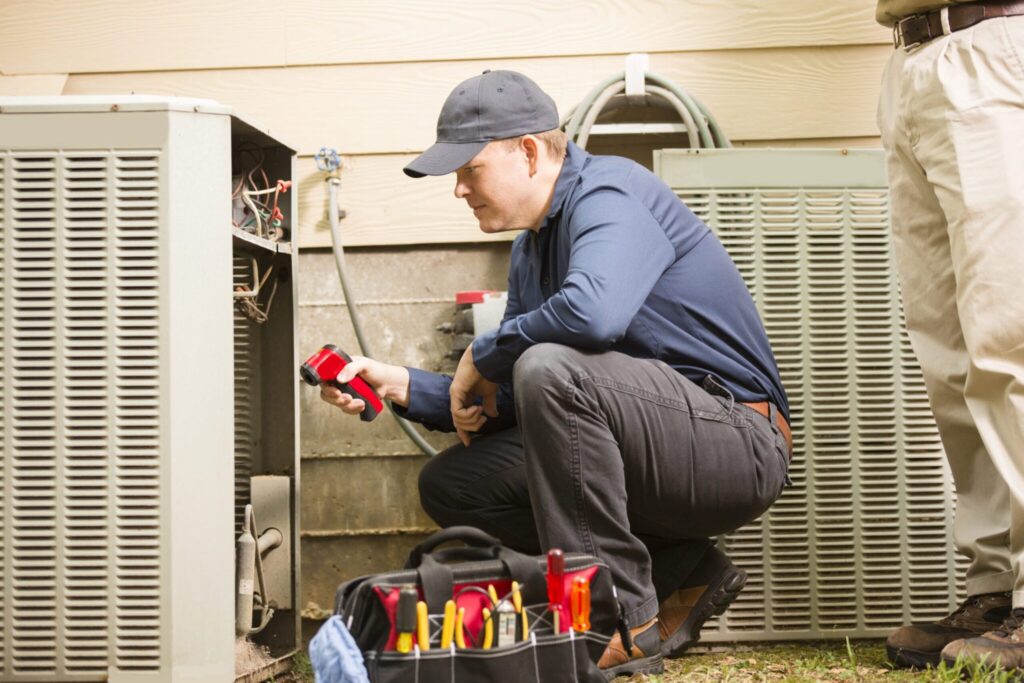
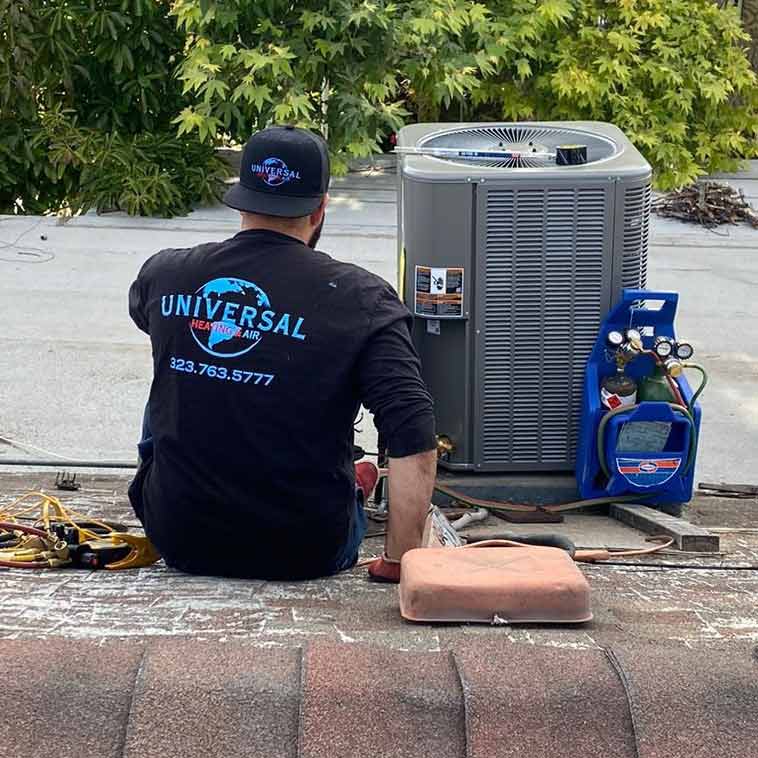
Looking for someone to handle your heating and cooling? It’s kind of a pain. You’re scrolling through reviews, checking prices, wondering if the guy who says he’ll show up Monday will actually show up Monday. Or at all. Los Angeles has, what, hundreds of HVAC companies? And half of them promise the same thing. Fast service. Fair prices. Quality work. But here’s the thing. Knowing what to actually look for cuts through all that noise pretty fast. Check Their Credentials and Experience Start here: verify their licenses. California requires HVAC technicians to have proper certifications, so don’t skip this part. When you’re reaching out, ask about their experience with your specific system type. Are they comfortable with furnaces, air conditioners, heat pumps? Experienced teams get the quirks of older Los Angeles homes and newer construction because they’ve worked on both. Ask for references from past jobs too. Real customers will give you honest feedback about whether the technician showed up on time, kept the place clean, and actually fixed the problem. This is important, so don’t brush over it. Read Recent Reviews and Ratings Online reviews show you what actually happens when someone’s working in your home. Scroll through and look for patterns. Don’t just focus on one or two comments, but notice what keeps coming up. Did people mention fair pricing? Did the work actually last? Were there surprise charges that weren’t in the initial estimate? Check Google, Yelp, and the Better Business Bureau for a complete picture. What’s really telling is how companies respond to negative reviews. The good ones address complaints head on and actually try to fix things. Get Multiple Quotes Here’s the thing: never go with the first person you call. Reach out to at least three companies in your area and ask for detailed estimates. A solid quote should include: Equipment costs and which brands they’re using Labor charges that are clearly broken down When they can complete the work Warranty coverage on both parts and labor Any permits or inspections that are needed When you compare quotes, you’ll get a feel for what things should actually cost. If one bid looks way too cheap, that’s a red flag. Usually that means they’re cutting corners somewhere. Ask About Warranties and Guarantees Good work needs to be backed up with guarantees. Trustworthy HVAC installers near me stand behind their labor with warranties that typically last one to five years. The equipment manufacturers usually cover their own stuff too. Make sure you understand exactly what’s protected before you sign anything. Verify Insurance and Bonding Licensed technicians carry liability insurance and bonding. This is your safety net if something goes wrong while they’re installing your system. Always ask to see proof before they start work. Communication Matters Pay attention to how they handle your first questions. Do they explain things clearly? Can they break down technical stuff in a way that makes sense? The reliable teams make it easy to talk to them from day one all the way through the end of the project. Final Words Look, finding the right installer takes some legwork. You’re gonna spend a few hours researching, making calls, comparing bids. But think about it this way: you’re not just buying an air conditioner. You’re buying the next 10 to 15 years of being comfortable in your own house. Check credentials. Read what other people say. Get at least three quotes, maybe four if you’re still unsure. Ask the questions that matter to you, even if they sound basic. A solid team shows up when they say they will, installs your system right the first time, and doesn’t disappear when you call six months later with a question. Your comfort’s worth getting this choice right. Frequently Asked Questions (FAQs) 1. How do I find reliable HVAC installers near me? Start by checking licenses and certifications, reading recent customer reviews, and comparing multiple quotes. Reliable HVAC installers near me are transparent, experienced, and properly insured. 2. Why is it important to verify HVAC licenses in Los Angeles? California requires HVAC technicians to be licensed. Verifying credentials ensures the installer meets state standards and has the training needed to work on heating and cooling systems safely. 3. What should I look for in HVAC reviews and ratings? Focus on patterns in reviews, such as punctuality, fair pricing, and long-lasting repairs. Also pay attention to how HVAC companies respond to negative feedback. 4. How many HVAC quotes should I get before choosing an installer? You should get at least three detailed quotes. Comparing estimates helps you understand fair pricing and avoid HVAC installers near me who may cut corners with unusually low bids.
How to Find the Best AC Replacement Near Me for Your Home
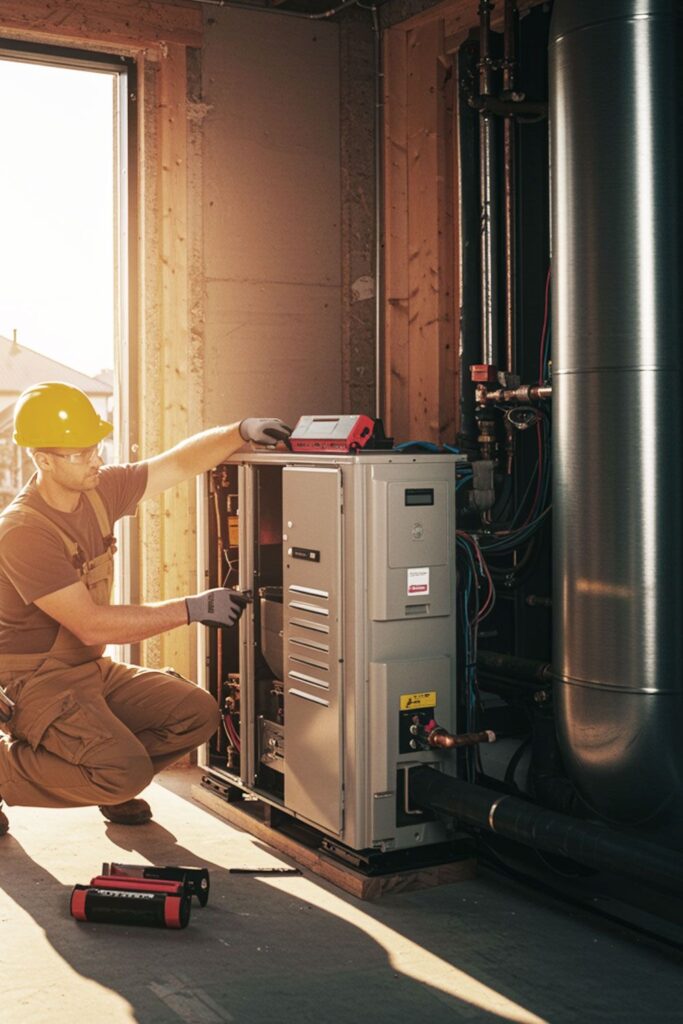
When your air conditioning system starts failing, the stress hits hard. You’re dealing with sweat, skyrocketing energy bills, and the knowledge that something needs to happen now. So where do you even begin? Finding a solid contractor for AC replacement near me service makes a real difference. It’s not just about swapping out equipment, it’s about putting your trust in someone to handle one of the most important comfort systems in your home. Know When Your AC Needs Replacing Your system might be struggling, running all day but barely keeping things cool. Maybe weird noises are coming from the unit, or you’re constantly calling for repairs. If your AC’s been around for 10 to 15 years or longer, pulling the trigger on replacement usually beats spending more money on fixes. Older units also burn through energy like crazy, which shows up when you open your utility bill. What to Look for in a Service Provider The right company brings way more than just tools and a truck. Here’s what matters: They explain things in plain language, no confusing jargon They give you an honest look at what you’ve got now They tell you the price upfront before touching anything They back up their work with real warranties They actually show up on time and treat your home with respect Universal HVAC Los Angeles handles AC replacement work for homes throughout the area. Their technicians figure out what you actually need instead of pushing stuff you don’t. Get Multiple Quotes Jumping on the first option you find isn’t the move. Talk to a few different outfits. Have them check out your system and walk you through what comes next. Look at prices, yeah, but also think about how much experience they’ve got and whether they seem like people you can work with. A rock bottom quote doesn’t mean much if corners get cut. Consider Energy Efficiency New AC units are way more efficient than older ones. You’ll notice that in your monthly cooling bills. Ask what units would work best for your home’s size and what you’re willing to spend. A system that’s sized right performs better and sticks around longer than something that’s too oversized or undersized. Ask About the Installation Process How they install your new system matters just as much as the equipment itself. Good technicians walk you through what happens during the swap, how long you’re looking at, and what to watch for once it’s running. Universal HVAC Los Angeles takes care of everything from start to finish, making sure your new system runs like it should. Check References and Reviews Pay attention to what other homeowners have to say about their experience. Did the crew finish when they said they would? Did they clean up the mess? Were they professional and knew what they were talking about? Real people sharing real stories tell you way more than any sales pitch. Wrapping Up Getting the right AC replacement service really boils down to doing your homework. Compare what’s out there, ask good questions, and go with a company that respects your home. Your comfort depends on it, and picking the right one pays off for years. Frequently Asked Questions (FAQs) 1. How do I know it’s time for AC replacement near me? If your AC is over 10–15 years old, needs frequent repairs, makes loud noises, or struggles to cool your home, replacement is often the better option. Older systems also use more energy, which increases utility bills and reduces overall comfort. 2. Why should I hire a local AC replacement service? Choosing a local AC replacement near me means faster response times, better knowledge of local climate needs, and technicians who are familiar with area homes. Local companies also rely on customer trust and reviews, which often leads to better service quality. 3. What should I look for in an AC replacement contractor? Look for clear communication, upfront pricing, proper licensing, warranties, and positive reviews. A reliable contractor will inspect your system, recommend the right size unit, and explain the installation process without pressure or confusing jargon. 4. Is energy efficiency important when replacing an AC system? Yes. New AC systems are far more energy-efficient than older units. Choosing the right-sized, high-efficiency system can lower monthly energy bills, improve cooling performance, and extend the life of your equipment.
What You Need to Know About HVAC System Installation in Los Angeles

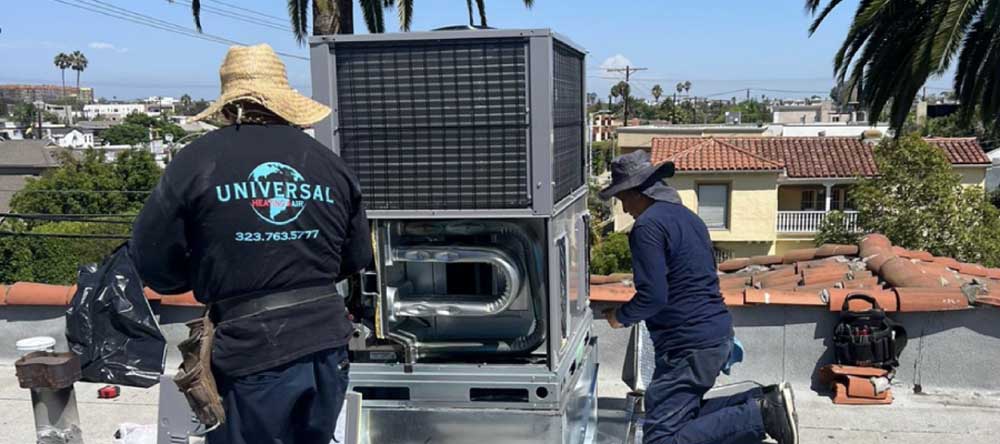
Most people don’t think about their HVAC system until something goes wrong. But here’s the thing: timing really matters, especially in LA. When summer heat hits and your system fails, you’re suddenly dealing with discomfort and scrambling to find help. That’s why understanding what goes into HVAC system installation in Los Angeles actually helps you make better decisions before you’re stuck in a crisis. Why Timing Matters in LA Los Angeles heat is no joke. Summer temperatures climb fast, and older units just can’t keep up with the demand. If you wait until your system completely fails, you’ll be making rushed decisions under pressure, and that usually means spending more money than you need to. Getting ahead of the problem means you can pick the right equipment and find a good installer without all that stress hanging over your head. What Happens During Installation Installing a new HVAC system involves way more than just swapping out old equipment for new. Technicians look at your home’s size, how well it’s insulated, and the layout. They’ll check your ductwork for leaks or any damage that needs fixing. Getting the unit sized right is crucial because if it’s too small, it’ll run constantly trying to cool your place. Too big, and it’ll turn on and off inefficiently, wasting energy. The actual installation process takes time. Crews need to remove your old equipment, prepare the space, mount the new components, and run tests to make sure everything works. Charging the refrigerant correctly matters a lot. Electrical connections have to be accurate. The ductwork needs proper sealing. These are the things that separate real quality work from jobs where shortcuts get taken. Choosing the Right System Not all homes need the same setup. Some properties work better with traditional split systems, while others benefit from different approaches. Energy efficiency ratings vary depending on the model you pick. Noise levels are different too. And warranty coverage changes based on what equipment you choose and how well the installation’s done. When you work with local contractors who know LA, they understand what systems actually handle the heat effectively. Plus, they’re familiar with local building codes and what permits you’ll need to get approval. Installation Costs and Planning What you’ll pay depends on a bunch of factors: System size and what type you’re getting Your home layout and the condition of your ductwork Removing old equipment Permit and inspection fees What warranty options you want Talk to a few different companies and get quotes. When you’re comparing them, pay attention to what’s included. Some quotes cover permits and inspections, but others don’t. Ask about warranties on both the parts and the labor. Sometimes really cheap installations mean they’re cutting corners on quality work. After Installation Once you’ve got a new system, keeping it running well means regular maintenance. Change your filters. Get the coils cleaned. Check that refrigerant levels are right. Annual tune-ups can catch small issues before they turn into expensive repairs down the road. Good installation creates the foundation for years of reliable operation. But poor installation? That’s when problems pop up months later when you least expect them. Final Words Getting HVAC system installation done right in Los Angeles takes real planning and skilled work. You’ll make better choices when you understand what the process involves, compare your options, and pick installers who actually know what they’re doing. The right system, installed properly, keeps your home comfortable through those hot LA summers while keeping your energy bills reasonable. Don’t wait for things to break. Plan ahead and you’ll save yourself a lot of headaches. Frequently Asked Questions (FAQs) 1. How do I know when it’s time for HVAC system installation in Los Angeles? If your HVAC system struggles during hot Los Angeles summers, runs constantly, or no longer cools your home evenly, it may be time for a new installation. Older units often can’t handle rising temperatures efficiently, leading to higher energy bills and frequent repairs. Planning installation before a complete failure helps you avoid emergency decisions and unnecessary costs. 2. Why does timing matter for HVAC system installation in Los Angeles? Timing matters because HVAC demand spikes during LA’s summer heat. Waiting until your system fails can mean higher prices, limited availability, and rushed choices. Installing before peak season allows you to compare systems, choose energy-efficient options, and work with experienced local contractors without pressure, saving money and reducing stress. 3. What happens during HVAC system installation? HVAC system installation involves more than replacing old equipment. Technicians assess your home’s size, insulation, and ductwork condition, ensure proper system sizing, remove old units, install new components, seal ducts, connect electrical systems, and test performance. Proper refrigerant charging and airflow checks are critical to long-term efficiency and comfort.
Why Commercial AC Maintenance in Los Angeles Matters for Your Business
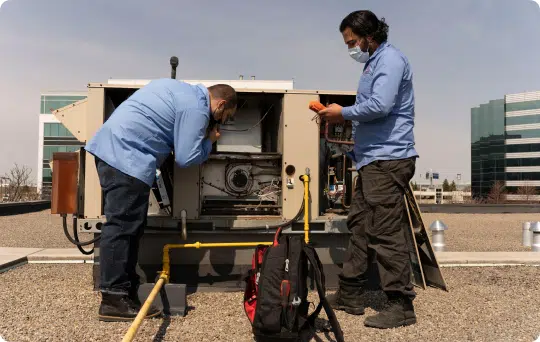
Your business has a ton of things going on. The last thing you want is your AC system breaking down when it’s 95 degrees outside. In Los Angeles, where the heat can come out of nowhere, keeping your cooling system working isn’t just about staying comfortable. It’s about keeping your business running smoothly and your costs from spiraling out of control. What Happens When You Skip Maintenance Here’s the thing about ignoring air conditioning problems: they don’t just appear overnight. They sneak up on you. Dust clogs your filters. Refrigerant levels drop without you noticing. Coils get blocked up. Each small issue feeds into the next one, and before you know it, your unit is working twice as hard to cool the same space. Your energy bills jump up. Your team gets cranky when the office turns into a sauna. Your customers definitely notice the difference too. And honestly? Emergency repairs will cost you way more than regular maintenance ever would. If something fails on a Friday afternoon, you’re paying premium rates for emergency service. That downtime directly hurts your bottom line. Why Los Angeles Businesses Need to Pay Attention The weather here doesn’t make things easy. Summer temperatures push systems to their absolute limit constantly. Without proper care, your equipment ages faster than it should. Parts wear out quicker. You’ll need to replace things years sooner than necessary. Getting regular commercial AC maintenance Los Angeles keeps your system running at full strength. Routine service catches small problems before they become massive headaches. Technicians clean everything, check all the connections, test how things are performing, and catch any signs of wear before they become real issues. The Real Benefits When you stick with regular maintenance, you actually see real results: Your energy bills stay reasonable instead of jumping through the roof Equipment lasts longer and doesn’t give you constant problems Breakdowns happen rarely, not all the time Your team stays cool and stays focused on work Customers walk into a space that feels consistently comfortable A well-maintained system also keeps you compliant with building codes and lease agreements. Most commercial properties actually require documentation of maintenance. Regular service creates that record and protects you legally. Getting Ahead of Problems The smart move is staying on top of things before something breaks. Instead of waiting for a failure, routine maintenance keeps everything working the way it should. Technicians replace worn filters, clean out ducts, and make sure refrigerant levels are exactly right. This kind of preventative work stops those emergency calls that disrupt your entire day. Businesses in Los Angeles operate in a tough market where reliability counts. Tenants expect the AC to work. Customers notice whether the space feels good. Employees actually work better when conditions are stable and comfortable. Bottom Line Skipping AC maintenance might save you money this month, but it’ll cost you way more later on. Regular service protects what you’ve invested in your equipment, keeps energy bills under control, and stops costly emergencies from happening. For any business in Los Angeles, making AC maintenance a real priority instead of something you get around to eventually just makes sense. Your system keeps running. Your business keeps moving forward. Frequently Asked Questions (FAQs) 1. Why is commercial AC maintenance important for businesses in Los Angeles?Los Angeles experiences sudden heat waves that put heavy strain on commercial AC systems. Regular maintenance helps prevent breakdowns, keeps energy costs under control, and ensures a comfortable environment for employees and customers. 2. What problems can occur if commercial AC maintenance is skipped?Skipping maintenance can lead to clogged filters, dirty coils, low refrigerant levels, higher energy bills, uneven cooling, and unexpected system failures that require costly emergency repairs. 3. How often should a commercial AC system be serviced?Most commercial AC systems should be serviced at least twice a year, typically before the summer and after peak usage. High-use businesses may need more frequent inspections to maintain optimal performance.
LA’s Microclimates Heating Guide: Finding the Right System for Your Neighborhood
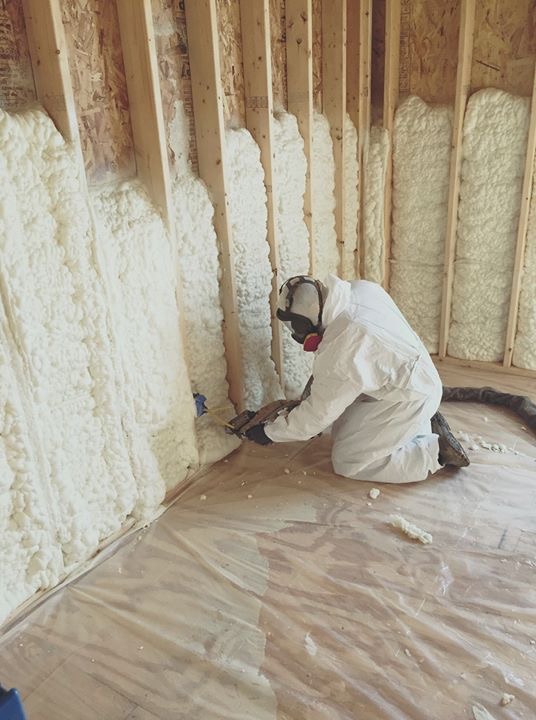
Los Angeles gets the climate treatment like nowhere else. The beach neighborhoods sit cool and breezy while downtown bakes. The hills catch fire in summer, and the valleys turn into ovens. What works in Santa Monica might bomb in Pasadena. Your heating needs depend entirely on where you actually live in this city. Understanding Your Microclimate Zone Here’s the thing about LA most people think of it as one giant, consistently warm place. That’s not how it works. The city breaks into distinct zones, each with different temperature swings and seasonal needs. Coastal areas rarely dip below 50 degrees, but the San Fernando Valley hits the mid-40s regularly in winter. The Hollywood Hills and surrounding elevations stay even colder. Even neighborhoods just five miles apart can have 10-degree differences when the sun goes down. These microclimates affect your heating requirements year-round. A beachside home might need light supplemental heating for just a few months. Meanwhile, someone in the foothills needs something with real staying power. Your heating system should match your actual neighborhood, not some generic LA stereotype. Why Winter Heating Still Matters in LA Los Angeles winters actually require attention. November through March brings consistent cooling, especially after sunset. Indoor temperatures drop faster than people expect, particularly in older homes or those with poor insulation. Morning chill can drop 20-30 degrees below daytime highs, especially inland. Humidity also plays a role. Coastal areas hold moisture that makes cold feel colder. Downtown and valley zones see dry, sharp cold that penetrates differently. These conditions directly impact how your heating system performs and what type actually makes sense for your space. Choosing the Right System for Your Area Heating services Los Angeles should match your specific neighborhood’s pattern. Coastal homes often benefit from efficient heat pumps they handle mild winters perfectly and avoid overkill. Valley and hillside properties typically need stronger capacity since cold snaps happen more dramatically. Downtown locations sit in the middle, with moderate needs that could go either direction. Your insulation quality matters too. Older Spanish-style homes with thick walls retain heat differently than modern construction. New homes with open concepts need different approaches than cozy, compartmentalized layouts. A professional assessment of your actual property beats any one-size-fits-all recommendation. When to Call a Professional Don’t guess. A heating specialist understands how your exact location your block, your elevation, your exposure to ocean breezes or desert winds actually affects your needs. They’ll test your current system, check insulation, and measure temperature variations throughout your home. Most LA residents run underperforming systems because they picked something suitable for a different microclimate entirely. Getting this right means comfort through winter and efficiency the rest of the year. The city’s diverse neighborhoods deserve heating solutions that work with the geography, not against it.
Earthquake-Proof Your AC: A Guide for Angelenos
You live in Los angles, so earthquakes happen. That’s just how it is. Most people worry about their TV falling over or making sure they have enough water stored up. But what about your air conditioner? Here’s the thing – when an earthquake messes up your HVAC Services Los Angeles , you’re stuck sweating it out while everyone else is calling for repairs too. Not exactly ideal when it’s 90 degrees outside. Your Outdoor Unit Needs Help That big AC unit sitting outside your house? It’s heavy, but earthquakes can still knock it around. Sometimes they tip over completely. When that happens, those refrigerant lines going into your house can snap right off. The electrical stuff gets wrecked too. So check how it’s attached. The unit should be bolted down tight to that concrete pad underneath. Look for loose bolts or cracks. See something wrong? Get someone out to fix it before the next big one hits. You can also add earthquake straps – they’re like metal brackets that hold everything in place. They still let the unit move a little when the ground shakes, but they stop it from falling over or sliding away. Don’t Forget What’s Inside Your central air system has parts inside your house too. The evaporator coil is probably up in your attic somewhere. Your furnace and air handler also need to stay put during a quake. These should be strapped down to the wall studs or floor. Check those brackets every once in a while. If they look rusty or loose, replace them. And make sure your ductwork can bend a bit without breaking. Got mini-splits on your walls? Those mounting brackets need to be solid. The refrigerant lines between your indoor and outdoor parts should be supported every few feet so they don’t sag or pull loose. Keep Stuff Away Here’s something most people don’t think about – things fall during earthquakes. And when they land on your AC equipment, that’s bad news. Keep boxes, tools, and random junk away from your AC parts. Trim any tree branches that could come crashing down on your outdoor unit. Your outdoor unit needs breathing room anyway – at least two feet all around it. This also means less chance of something falling on it and causing damage. Get a Pro to Look Things Over HVAC Services Los Angeles techs know what to check for earthquake safety. They’ll spot problems before they turn into disasters. They look at your electrical connections, how your refrigerant lines are mounted, and all the hardware holding everything together. Get them out once a year for maintenance. They can tighten loose stuff and replace worn-out straps. Plus they know if your system meets the current safety codes. What to Do After an Earthquake Keep your HVAC company’s phone number handy. After any earthquake, turn your AC off until you can check it out. Look for bent pipes, damaged wires, or anything that looks wrong. Don’t mess with it yourself though. Refrigerant systems need special equipment and training. Same with electrical work – that stuff needs permits and know-how. Let the pros handle it. Take pictures of your system while it’s still working fine. This helps with insurance claims later and shows the repair guys how everything’s supposed to look. Write down model numbers and when things were installed too. Maybe It’s Time to Upgrade If your AC system is old – like more than 15 years old – it might not be up to current earthquake standards. Newer heat pumps and central air systems have better mounting options. Modern mini-splits come with stronger wall brackets made for earthquake zones. New equipment also saves energy and has better safety features. And when pros install it, they’ll mount everything right from the start. Wrapping Up Getting your AC ready for earthquakes isn’t rocket science. But it’s smart to do it now instead of dealing with no cooling after the next big shake. Regular checkups, solid mounting, and having a good repair company on speed dial that’s all it takes. A little work now beats sweating through the aftermath later.
Installing AC in Historic LA Homes Unique Challenges

Getting modern cooling systems into old Los Angeles homes? Yeah, it’s not exactly straightforward. These vintage beauties weren’t built with central air in mind, and honestly… that creates a whole mess of complications most homeowners don’t see coming. Why Historic Homes Fight Modern Cooling Old LA houses are gorgeous, but they’re stubborn about upgrades. Built in the 1920s and 30s, these places have thick plaster walls, weird layouts, and zero space planning for ductwork. The electrical systems? Don’t even get me started. Most were designed when people had maybe three appliances total. Now you want to add a power-hungry AC unit? The wiring might need a complete overhaul first. Then there’s the whole preservation thing. Historic districts have rules about what you can and can’t change. Some neighborhoods won’t let you mess with exterior appearances at all. Ductwork Nightmares in Vintage Builds Here’s where things get really tricky. Modern homes have nice, neat spaces between floors and walls for ducts. Historic homes? Not so much. Those beautiful hardwood floors don’t want holes cut through them. The ornate crown molding makes running ducts a puzzle. And forget about crawl spaces half these houses sit right on their foundations. Sometimes installers have to get creative. Really creative. Like running ducts through closets, or building custom chases that blend with the original architecture. It works, but it takes time and costs more. Electrical System Upgrades Most vintage LA homes still rock their original electrical panels. That’s fine for lights and maybe a refrigerator, but air conditioner installation needs serious power. The old 60-amp services won’t cut it. Modern AC units typically need 200-amp service minimum. That means new panels, updated wiring, and permits galore. Plus, older homes often lack proper grounding. Safety codes today require GFCI outlets and grounded circuits throughout. It’s not just about the AC anymore it’s about bringing the whole electrical system up to current standards. Structural Surprises During Installation You never know what’s hiding behind those walls until you open them up. Lead paint, asbestos insulation, knob-and-tube wiring all standard stuff in pre-war construction. The framing might be different too. Modern homes use standard 16-inch stud spacing. Historic homes? They used whatever lumber they had. Sometimes studs are 24 inches apart, sometimes 12. Makes mounting equipment… interesting. And don’t assume the walls are plumb or the floors are level. These houses have settled over decades. What looks straight to the eye might be off by inches when you break out the level. Permit Complications and Code Requirements Historic districts love their paperwork. Regular AC installation permits are just the start. Depending on the neighborhood, you might need approval from historical societies, architectural review boards, or preservation committees. Each group has opinions about what’s acceptable. Current building codes also clash with historic construction methods. Modern codes assume standard wall cavities and modern materials. Trying to meet today’s insulation requirements in a 1925 bungalow gets complicated fast. Working Around Original Architecture The charm of historic homes those high ceilings, thick walls, unique room layouts becomes a challenge during installation. Nine-foot ceilings sound great until you realize modern ductwork needs specific clearances. Those gorgeous exposed beams? They’re right where the main trunk line wants to go. Original hardwood, vintage tile, custom millwork everything’s irreplaceable and in the way. Good installers work around these features, not through them. Final Words Historic LA homes need specialized approaches for modern cooling. The electrical, structural, and regulatory challenges pile up fast. But with experienced installers who understand both old construction and current codes, even the most challenging vintage home can stay cool while keeping its character intact.
Why a Heat Pump is Perfect for LA’s Mild Climate?
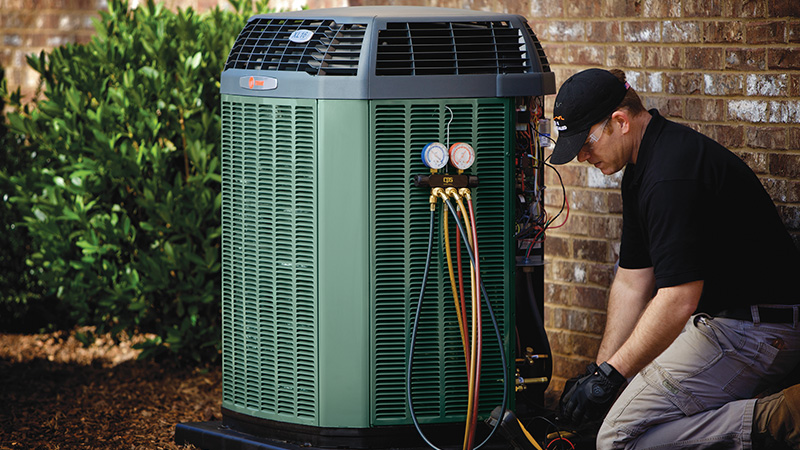
LA’s weather is basically perfect for heat pumps. You get those mild winters and warm summers that make these systems shine. The climate here is exactly what heat pumps were made for. Most people think heat pumps only work well in freezing cold places. That’s actually backwards. They’re incredible in Los Angeles because the city rarely gets those brutal freezing temperatures that make heat pumps struggle. Why LA’s Climate is Perfect Here’s how heat pumps work: they pull warmth from outside air. Even when it feels chilly to you, there’s still plenty of heat energy in the air. LA winters usually stay above 40 degrees, which means your heat pump doesn’t have to work hard at all. When temperatures drop below 30 degrees, heat pumps start struggling. They need backup heating systems to keep up. But here’s the thing LA almost never hits those lows. You might see 35 degrees on a really cold January morning, but that’s about as bad as it gets. Your electric bills stay way lower because heat pumps move heat instead of creating it from scratch. Gas furnaces have to burn fuel to make heat. Heat pumps just shuffle existing heat around, which is much more efficient. Summer Cooling Benefits Summer is where heat pumps really show off in LA. They work just like regular air conditioners but use less energy doing it. When it’s 85 degrees outside—pretty typical for July—your heat pump cools your house without breaking a sweat. The ocean keeps LA temperatures from getting crazy hot like other places. Phoenix hits 115 degrees and air conditioners work overtime. LA peaks around 90 most days, and your heat pump handles that easily. You’ll get consistent cooling all season long. No hot spots, no weird temperature swings throughout the day. Just steady, reliable comfort. Energy Savings Add Up Heat pumps can cut your heating costs by 50% compared to gas furnaces. For cooling, they use about 30% less electricity than older AC units. That’s real money back in your pocket. LA has some pretty expensive electricity rates, so every bit of savings helps. A good heat pump typically pays for itself within 5-7 years through lower utility bills alone. Many LA residents can get rebates too. The city wants people using efficient heating and cooling systems. Check with your HVAC Installer Los Angeles about what rebate programs are available right now. Installation Considerations Your home might need some electrical upgrades first. Heat pumps run on electricity, not gas like furnaces. Most HVAC Installers Los Angeles can handle the electrical work themselves or coordinate with electricians. But here’s good news—your ductwork usually stays the same. Heat pumps connect to existing ducts in most homes. Installation typically takes just 1-2 days. Mini-split heat pumps are great for homes without ducts. They mount right on your walls and don’t need any ductwork at all. Year Round Comfort One system handles both heating and cooling. No more switching between your furnace and AC or dealing with two different systems. Your heat pump automatically adjusts based on whatever you set your thermostat to. Maintenance gets simpler too. One system means one service call per year instead of two separate tune-ups for different equipment. Final Thoughts LA’s mild climate makes heat pumps a really smart choice. You’ll save money, use less energy, and stay comfortable all year long. The weather here practically demands this technology it’d be silly not to take advantage of it.
Why Regular Furnace Checks Matter in Los Angeles Homes
The gentle climate in Los Angeles may sometimes make heating a forgettable activity. However, whenever temperatures start to fall, it is essential to have a reliable furnace. It would seem that routine checks are not as important, but they help a lot in maintaining both comfort and safety. Disregarding them can bring very costly repairs, bad air quality, and other dangers you would not like to encounter at all costs. Extend the Lifespan of your furnace. Prolong Your Furnace’s Lifespan All furnaces, regardless of their quality, have a lifespan. Routine inspections will maintain your system in excellent working order as minor problems are detected and corrected before they turn into major issues. The better is serviced, the longer it will probably be functional without major failures. Look at these service calls as a way to preserve the expense you have invested in your heating system. Ensure Safe Operation A malfunction is not only highly inconvenient but very dangerous as well. Problems like gas leaks or carbon monoxide poisoning risk being a threat to your family household. Carbon monoxide, for example, is a colorless and odorless gas that can be fatal. Regular furnace company Los Angeles inspections help identify and eliminate such risks in advance so that your system does not pose any danger at all. Make sure your system comes under the warranty requirements. Maintain Warranty Requirements Many manufacturers demand regular service to stay within the parameters of the warranty. Without evidence of regular service, you might be one unlucky breakdown away from being hit with costly out-of-pocket repairs. Your reliable heater Los Angeles homeowners have grown accustomed to receiving regular check-ins from within can keep you firmly in the realm of being within warranty-peas of mind and protection of your wallet. Preparation for Frozen Temperatures Los Angeles may not be particularly frosty, but the temperature can fall to some extent, mainly during the night. An unattended might not be able to warm your house during such nights, and the result may include cold rooms as well as freezing nights. AC Repair Pre-scheduled maintenance makes sure that your system will face the cold season in the proper manner and ensures warmth at all times you may need it. Promote a Greener Environment Saving on energy is itself a saving, and it’s also, of course, good for the planet. The fuel burns less wastefully and makes lesser emissions in regular maintenance. It ensures that your heating system works cleaner through regular checks by Install AC Unit Los Angeles, which relies on keeping the environment greener and smaller in carbon footprint. Conclusion Routine checks may seem like a minute thing, but they contribute much to keeping your home comfortable, safe, and energy-efficient. Preventing small issues from turning into big problems by improving energy use, such as saving you money and the well-being of your pocketbook. And the best way to do that is to prevent breakdowns; visit Universal HVAC Services Los Angeles for regular maintenance throughout the whole year.