Which HVAC Services Los Angeles Are Best for Your Property
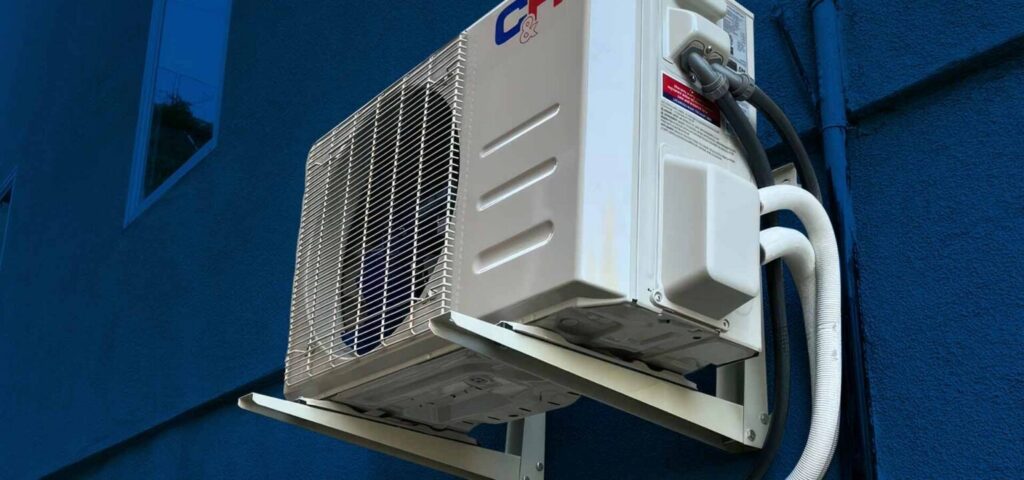
Getting your HVAC system right really matters. Think about it, your home’s comfort comes down to whether your temperature stays consistent, humidity doesn’t go crazy, and the air quality stays decent. All of that depends on what system you pick and how well you maintain it. Los Angeles properties deal with their own set of challenges. Heat builds up fast in the summer. Cooling needs go through the roof. Winter’s milder here, but you still need heating for those cooler evenings. So here’s the real question: what does your specific property actually need? Understanding Your Property’s Needs Every property is different. A small apartment doesn’t need the same setup as a big house. Commercial spaces have totally different requirements. Start by looking at your square footage, how well insulated your place is, and how old your current system actually is. Older units are real energy hogs. They work overtime just to keep the temperature steady. Newer systems? They run way more efficiently and cost way less to operate every month. You’ll see the difference pretty quickly on your utility bills. Types of Services That Matter When you’re looking for HVAC services Los Angeles can provide, there’s quite a bit to know about. You’ve got air conditioning installation and repair when things get hot, heating system maintenance for the cooler months, system replacements when your unit gives up or gets too old, and regular tune-ups to keep everything running smoothly. There’s also air quality improvements through better filtration and ductwork inspection plus cleaning. Each service handles different situations. Maybe your place needs emergency repairs right now. Or perhaps preventive maintenance would help stop problems before they start and save you headaches later. Maintenance Keeps Systems Running Here’s something simple but important: regular check-ups catch problems early. Routine maintenance? Technicians find worn parts, filters clogged with dust, refrigerant leaking. Small stuff you’d never notice until it turns into a breakdown. Fixing minor issues now costs way less than replacing a burned-out compressor later. And yeah, systems that get looked at regularly just last longer. They don’t have to work as hard. Seasonal tune-ups just make sense. Get your cooling system checked before summer heat hits. Have your heating system inspected before winter arrives. This way everything’s ready to go when you really need it. Choosing the Right Service Provider You want someone who actually knows what they’re doing. Technicians familiar with Los Angeles properties understand the local climate and what problems show up regularly. They can work with different system types and brands. How fast they respond matters too. When your system breaks down, you don’t want to wait days without comfort in your home. Also look for straightforward pricing. Good service providers explain what work needs doing and why they’re recommending it. You shouldn’t see hidden fees pop up. Clear estimates help you make smart decisions about your money. Final Words Your comfort at home and what you’re spending on energy each month? That comes down to choices you make now. Look at what your property actually needs. Is your current system still doing its job or showing its age? Regular maintenance stops most problems before they happen. When repairs or replacement become necessary, find professionals who know Los Angeles properties and can work within what you’re trying to spend. Someone who explains things clearly instead of throwing technical jargon at you. Frequently Asked Questions (FAQs) 1. How do I know which HVAC system is right for my property? The right system depends on your square footage, insulation quality, and the age of your current unit. Larger homes and commercial spaces require more powerful systems, while smaller properties need properly sized units to avoid energy waste. 2. How often should HVAC systems be maintained? Most HVAC systems should be serviced at least twice a year once before summer for cooling and once before winter for heating. Regular maintenance helps prevent breakdowns and extends system lifespan. 3. What are signs my HVAC system needs repair? Common signs include inconsistent temperatures, unusual noises, weak airflow, rising energy bills, or poor indoor air quality. Addressing these early can prevent major system failures. 4. Is it better to repair or replace an older HVAC unit? If your system is over 10–15 years old and requires frequent repairs, replacement is often more cost-effective. Newer systems are more energy-efficient and reduce monthly utility costs.
What Every LA Homeowner Should Know About Home AC Repair in 2026
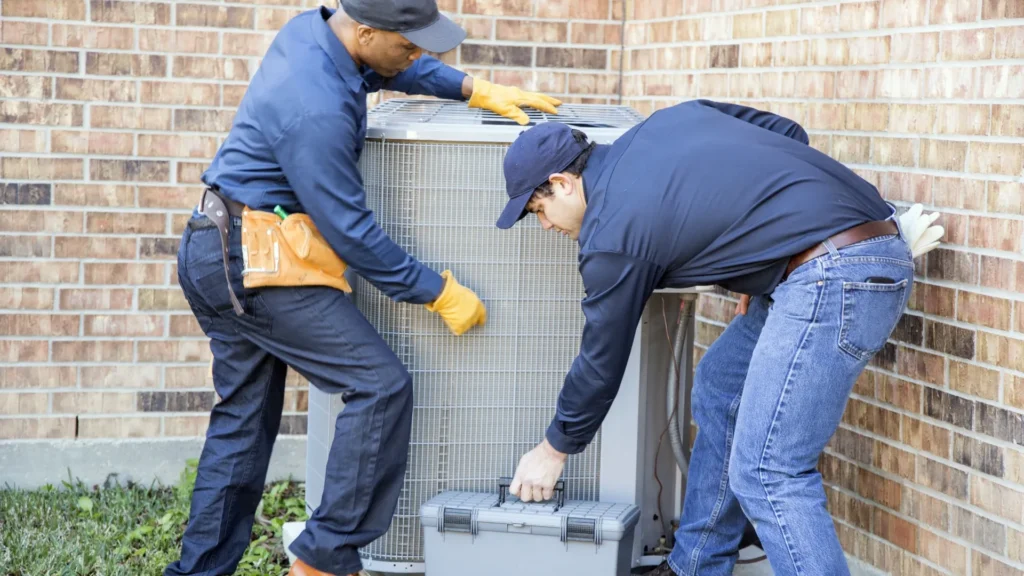
Your AC system isn’t going to last forever, and it always seems to break down at the absolute worst time. You know, during a heat wave when every technician in the city is already booked solid. But here’s the good news: if you know what to expect, you can avoid panic and those brutal emergency service calls that drain your wallet. Signs Your AC Needs Attention Your air conditioner usually gives you hints before it completely gives up. You might notice that cooling isn’t happening evenly anymore. One room feels comfortable while another stays uncomfortably warm. Or maybe you’re hearing weird noises coming from the outdoor unit. The system’s running longer than it used to, but somehow it’s not cooling as effectively. Even the humidity inside starts creeping up even though the AC’s running. Here’s the thing: these problems won’t fix themselves. The longer you ignore them, the worse they get. Common Repair Issues in Los Angeles LA’s intense heat and constant dust create some pretty specific headaches for air conditioning systems. Dust clogs up your filters way faster here than almost anywhere else. The temperature swings, even though we think of LA as consistently hot, actually stress the components pretty hard. You’ll also see refrigerant leaks pop up more in older units. And compressors? They wear out from basically running nonstop during those brutal summer months. When you need Home AC Repair Los Angeles services, technicians understand these exact problems inside and out. They know what typically breaks in local homes and how to fix it right. What Homeowners Should Do Now Getting ahead of problems is honestly your best bet for saving money and avoiding headaches. Here’s what actually works: Swap out your filters every month when you’re running the AC heavily Keep the outdoor unit clear of leaves, dirt, and plants crowding around it Set up maintenance checks before summer hits Don’t wait on small issues, they snowball into expensive ones fast Get quotes from a few different companies before you commit Regular maintenance really does catch problems early. A unit that gets checked once a year runs better and lasts way longer than one sitting idle until something breaks completely. Choosing the Right Service Every repair company’s different. Some rush through the job without really looking at what’s wrong. Others take their time and actually diagnose the problem correctly. Local companies tend to understand LA’s specific climate better than the big national chains do. Don’t be shy about asking questions. How long have they been in business? Do they handle emergency calls? What kind of warranty are you getting with the repairs? This stuff actually matters when you’re trusting someone with an expensive system. Planning for 2026 Most AC systems hang in there for about 10 to 15 years if you take care of them properly. If your unit’s getting close to that age range, start thinking about what replacement might look like. Newer models use less energy and cost way less to run month to month. Plus they break down way less often, which means fewer repair calls. Waiting until your AC completely dies forces you into an expensive emergency replacement situation. Planning ahead gives you time to look at your options and actually set aside money for it. Final Words AC repair in Los Angeles doesn’t need to stress you out. Stay on top of maintenance, catch problems early, and pick service providers you can trust. That’s basically the recipe for keeping your system running smooth without draining your bank account. Frequently Asked Questions (FAQs) 1. How do I know if I need Home AC Repair in Los Angeles? Common warning signs include uneven cooling, strange noises from the outdoor unit, rising indoor humidity, and your AC running longer without properly cooling. If you notice these issues, it’s time to schedule a professional inspection before the problem worsens. 2. Why do AC systems in Los Angeles break down more often? Los Angeles heat, dust buildup, and long summer run times put extra stress on AC components. Clogged filters, refrigerant leaks, and worn-out compressors are especially common in older systems. 3. How often should I service my home AC system? Homeowners should schedule professional maintenance at least once a year, ideally before summer. During heavy usage months, air filters should be replaced every 30 days to prevent airflow issues. 4. What happens if I ignore small AC problems? Minor issues can quickly turn into major, expensive repairs. For example, restricted airflow can strain the compressor, leading to complete system failure and emergency repair costs.
When Do You Need Heating Repair Los Angeles Experts for Your Home

Look, L0s Angeles winters aren’t exactly brutal. But when that heater breaks on a cold night? You notice. Most people ignore their heating system until something goes wrong. Which makes sense. It’s not like you’re thinking about your furnace when it’s hot outside. But there are signs that tell you it’s time to call someone before you’re stuck in a cold house. Your System Makes Weird Noises Heating systems shouldn’t sound like they’re hosting a metal concert in your attic. Banging. Screeching. Rattling around like something’s loose in there. These noises mean parts are wearing out. Maybe the blower motor’s struggling. Could be loose components knocking around. Either way, weird sounds don’t fix themselves. They get louder. Then something breaks completely. Your Energy Bills Keep Climbing Ever notice your gas or electric bill creeping up even though you’re not using the heat any more than usual? That’s your system working harder to do the same job. When components wear out, your heater burns more energy trying to keep up. Inefficient operation costs you money every single month. Heating Repair Los Angeles professionals can figure out what’s making your system work so hard and fix it before your bills get ridiculous. Some Rooms Stay Cold You’ve got the heat cranked up, but that back bedroom’s still freezing while the living room feels like a sauna. That’s not normal. Could be blocked ducts. Might be a failing zone control. Sometimes it’s an airflow problem that’s forcing your system to overcompensate in some areas while neglecting others. The Heater Cycles On and Off Constantly Your system should run for a bit, heat the house, then shut off until it’s needed again. Not turn on for half a minute, shut off, turn back on shortly after. This constant cycling wears out components fast. It’s inefficient. And it means something’s wrong with either the thermostat, the ignition system, or the airflow. You Smell Gas or Burning This one’s not subtle. You smell gas? Turn off your system and call someone immediately. Natural gas leaks aren’t something you wait on. Burning smells can mean dust buildup on the heat exchanger. Or it could mean wiring’s overheating. Either way, electrical and gas issues need professional attention. Not a “let’s see if it goes away on its own” approach. Yellow Pilot Light Instead of Blue Gas furnaces should have a blue pilot light. Yellow or flickering flames mean incomplete combustion. That can produce carbon monoxide, which you definitely don’t want circulating through your house. Bottom Line Don’t wait until your heater dies completely to call someone. Catching problems early saves money. Keeps you comfortable. And prevents that middle-of-the-night panic when it’s cold and nothing’s working. Frequently Asked Questions (FAQs) 1. How do I know if I need Heating Repair Los Angeles services? If your heater is making strange noises, cycling on and off frequently, producing uneven heat, or causing higher energy bills, it’s time to call a Heating Repair Los Angeles expert before the problem gets worse. 2. Why is my heater making banging or screeching noises? Unusual sounds often mean loose or worn-out components, a failing blower motor, or internal damage. These issues won’t fix themselves and usually lead to bigger repairs if ignored. 3. Why are my energy bills increasing even though I’m not using more heat? Rising bills typically mean your heating system is running inefficiently. Worn parts or airflow problems force the system to work harder, increasing energy consumption. 4. Why are some rooms colder than others? Uneven heating can be caused by blocked ducts, airflow issues, or malfunctioning zone controls. A professional inspection can identify and fix the root cause.
When Do You Need Heating Repair Los Angeles Experts for Your Home
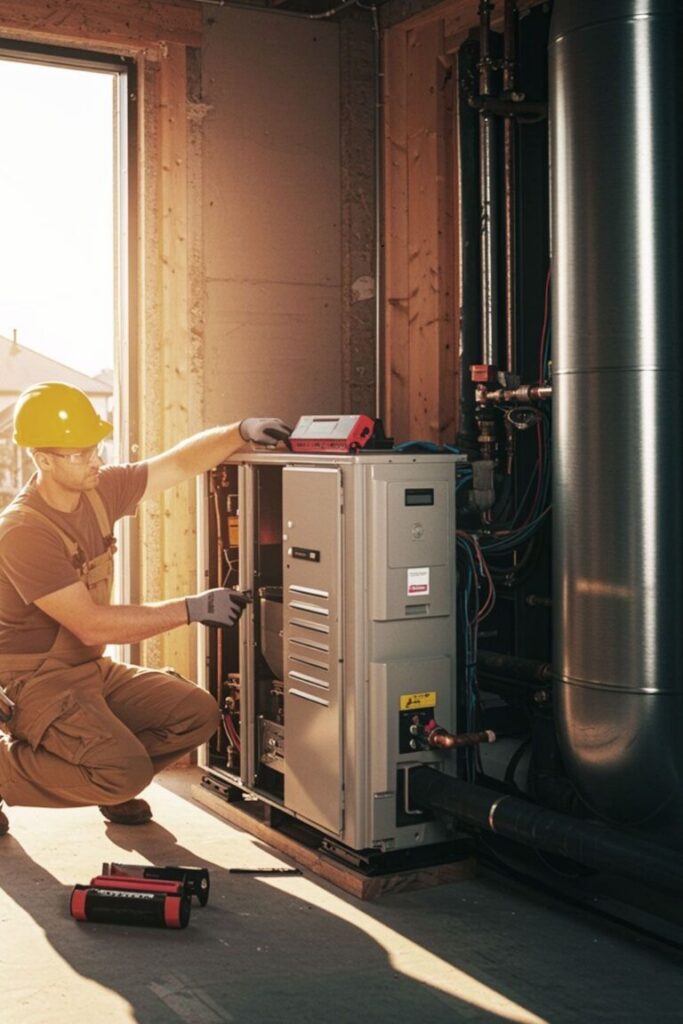
Look, Lo Angeles winters aren’t exactly brutal. But when that heater breaks on a cold night? You notice. Most people ignore their heating system until something goes wrong. Which makes sense. It’s not like you’re thinking about your furnace when it’s hot outside. But there are signs that tell you it’s time to call someone before you’re stuck in a cold house. Your System Makes Weird Noises Heating systems shouldn’t sound like they’re hosting a metal concert in your attic. Banging. Screeching. Rattling around like something’s loose in there. These noises mean parts are wearing out. Maybe the blower motor’s struggling. Could be loose components knocking around. Either way, weird sounds don’t fix themselves. They get louder. Then something breaks completely. Your Energy Bills Keep Climbing Ever notice your gas or electric bill creeping up even though you’re not using the heat any more than usual? That’s your system working harder to do the same job. When components wear out, your heater burns more energy trying to keep up. Inefficient operation costs you money every single month. Heating Repair Los Angeles professionals can figure out what’s making your system work so hard and fix it before your bills get ridiculous. Some Rooms Stay Cold You’ve got the heat cranked up, but that back bedroom’s still freezing while the living room feels like a sauna. That’s not normal. Could be blocked ducts. Might be a failing zone control. Sometimes it’s an airflow problem that’s forcing your system to overcompensate in some areas while neglecting others. The Heater Cycles On and Off Constantly Your system should run for a bit, heat the house, then shut off until it’s needed again. Not turn on for half a minute, shut off, turn back on shortly after. This constant cycling wears out components fast. It’s inefficient. And it means something’s wrong with either the thermostat, the ignition system, or the airflow. You Smell Gas or Burning This one’s not subtle. You smell gas? Turn off your system and call someone immediately. Natural gas leaks aren’t something you wait on. Burning smells can mean dust buildup on the heat exchanger. Or it could mean wiring’s overheating. Either way, electrical and gas issues need professional attention. Not a “let’s see if it goes away on its own” approach. Yellow Pilot Light Instead of Blue Gas furnaces should have a blue pilot light. Yellow or flickering flames mean incomplete combustion. That can produce carbon monoxide, which you definitely don’t want circulating through your house. Bottom Line Don’t wait until your heater dies completely to call someone. Catching problems early saves money. Keeps you comfortable. And prevents that middle-of-the-night panic when it’s cold and nothing’s working. Frequently Asked Questions (FAQs) 1. How do I know if I need heating repair in Los Angeles? If your heater makes loud banging or screeching noises, struggles to heat certain rooms, cycles on and off constantly, or causes rising energy bills, it’s time to call for professional heating repair in Los Angeles. 2. Are strange noises from my heater serious? Yes. Banging, rattling, or screeching usually means worn-out or loose components. These issues don’t fix themselves and can lead to a complete system breakdown if ignored. 3. Why are my energy bills increasing during winter? If your usage hasn’t changed but your bill has, your heating system may be running inefficiently. Worn parts or airflow problems can force the system to work harder, using more gas or electricity. 4. Why are some rooms cold while others are too warm? Uneven heating can be caused by blocked ducts, airflow issues, or zone control problems. A professional can inspect your system and restore balanced comfort throughout your home.
Who Offers Reliable Heating and Air Conditioning Near Me for Commercial Properties

Finding the right HVAC contractor for your business in Los Angeles can feel overwhelming. Commercial spaces need way more than just keeping things cool or warm. You need systems that actually work, don’t break down unexpectedly, and won’t drain your budget. That’s why picking a trusted local provider really matters. What Commercial Properties Actually Need Commercial buildings? They’re different animals compared to homes. A retail store, office, or warehouse simply can’t handle sudden equipment failures. Your customers notice right away if it’s too hot or cold. Your employees can’t focus and productivity takes a hit. Everything stops. Regular residential systems just aren’t built for this kind of pressure. Heating and Air Conditioning Near Me companies that specialize in commercial work understand these differences. Bigger spaces. Tougher demands. Systems have to manage multiple zones. Keep different areas at the right temperature without fighting each other. Run on schedules that match when you’re actually open instead of just cycling all day and night. Experienced contractors get all these complexities and build solutions that work specifically for what you need. Why Local Matters for Commercial HVAC Picking a contractor nearby gives you some real benefits. When problems pop up, they can get there fast. No waiting around for someone driving in from two hours away. They know the building codes and rules for your area. What passes inspection. What doesn’t. No long drives mean quicker service calls when something breaks. Setting up regular maintenance is simple when they’re around the corner. You get personal attention instead of feeling like just a number in some giant company’s system. A local team builds real relationships with their commercial clients. Over time, they learn how your business runs. When you use the most energy. What seasonal changes affect you. This knowledge helps them suggest systems that work smarter for your situation instead of just selling whatever they’ve got in stock. What to Look For in a Commercial HVAC Provider Experience with commercial properties matters first. Not just residential work. Your contractor needs technicians who can handle complex system installations. Keep up with regular maintenance without missing details. Jump on emergency repairs when your system goes down at midnight. Proper licensing and certifications come next. A solid company keeps their credentials up to date. Hires trained technicians. Follows safety rules and building codes seriously, without taking shortcuts that’ll cause problems later. Transparent pricing matters too. You want contractors who tell you what things cost before starting work. Explain service charges and equipment prices in plain language. No surprises showing up on your invoice three weeks later. Availability counts since commercial HVAC problems don’t care about normal business hours. System fails on Saturday night? You need a provider who offers emergency services instead of leaving you hanging till Monday. Building a Maintenance Relationship Regular maintenance stops most major headaches before they happen. A good contractor sets up check ups and tune ups on a schedule. During these visits, they catch little problems while they’re still cheap to fix. Swap out filters. Clean components. Get systems running at top efficiency instead of letting things slowly degrade. Commercial HVAC services that focus on preventive care save you serious money down the road. Fewer emergency calls. Lower energy bills when systems work like they should. Equipment sticks around longer when it gets proper care instead of running itself into the ground. Worth Finding the Right Partner Your commercial property deserves HVAC support from contractors who actually get what you need. A reliable local provider brings the expertise. Jumps on problems quickly. Genuinely cares about keeping your operations smooth. The right partnership protects your business and keeps expenses reasonable. Frequently Asked Questions (FAQs) 1. Why is commercial HVAC different from residential HVAC? Commercial HVAC systems are larger, more complex, and designed to handle multiple zones and heavier usage. They must support bigger spaces, higher occupancy, and consistent performance without unexpected breakdowns. 2. Why should I choose a local commercial HVAC contractor? A local contractor can respond faster to emergencies, understands local building codes, and provides personalized service. Quick response times help minimize downtime for your business. 3. What should I look for in a commercial HVAC provider? Look for experience with commercial properties, proper licensing and certifications, transparent pricing, and 24/7 emergency service availability. Preventive maintenance programs are also essential. 4. Do commercial HVAC companies offer emergency repairs? Yes, reliable providers offer emergency services because commercial HVAC systems can fail outside regular business hours, and downtime can impact customers and employees.
How to Get Reliable Emergency Air Conditioning Repair in Los Angeles Anytime
Your AC goes out at midnight, and suddenly you’re sweating through the sheets. Or it’s mid-afternoon, way too hot outside, and your unit just stops working. That’s when panic kicks in, especially since Los Angeles summers don’t care about business hours. You need help fast, and you need it to actually work. Know What You’re Dealing With AC systems break down in different ways. Sometimes you’ve got a refrigerant leak. Other times the compressor fails or your thermostat just stops responding. The tricky part? Most people have no idea which one it is. That’s why having a reliable technician you can call matters so much. A good one will figure out what’s actually broken and explain it to you straight, not just throw expensive-sounding terms your way. What to Look for in Emergency Service Here’s the thing about emergency AC work: speed is great, but getting it right matters way more. A company that rushes over in 30 minutes but misdiagnoses your problem just wastes your time and money. Look for services that respond fast without skipping the actual inspection. The technician should dig into multiple parts of your system, not just the obvious broken piece. Then there’s availability. Los Angeles never really sleeps, and your AC won’t care what time it dies. Services that work 24/7, including weekends and holidays, actually give you peace of mind. You won’t be stuck staring at a broken unit waiting for Monday to roll around. Getting Help When You Need It The moment your AC stops cooling, pick up the phone. Don’t sit around hoping it fixes itself because it won’t. Calling early means technicians can get to you sooner and might catch bigger problems before they get worse. When you call, have your system’s model number and how old it is ready to go. This info helps speed things up. Before any work starts, ask about emergency air conditioning repair Los Angeles pricing. No surprises, no shock when the bill arrives. A trustworthy company tells you exactly what it’ll cost before they touch anything. What Happens During the Visit A real inspection takes actual time. The technician will check: Refrigerant levels and pressure Electrical connections and parts How air flows through your system Whether your thermostat works right How the compressor is running Rushing through these means missing stuff that could cause problems down the road. You pay for a quick fix now, then you’re calling again in two weeks for the same issue. Or worse, a completely new breakdown that could’ve been caught the first time. Staying Prepared Keep your AC maintained during winter when you’re not using it much. Filters get changed, coils get cleaned, small weird sounds get checked out before they turn into expensive repairs. Systems that get attention break down way less. And yeah, when they do break, it’s usually something minor instead of your whole compressor dying. Save your trusted service provider’s number in your phone right now. When something goes wrong on a Saturday afternoon, you won’t want to spend an hour searching for someone reliable. Final Words Getting help during an AC emergency doesn’t have to stress you out if you know who to call. Find a service that picks up fast, actually figures out what’s wrong, and explains everything clearly. LA heat waves don’t mess around. You want someone you can count on when your system decides to quit on the hottest day of summer. Frequently Asked Questions (FAQs) 1.What counts as an AC emergency? An AC emergency is when your system completely stops cooling, blows warm air during extreme heat, makes loud or unusual noises, or won’t turn on at all. In Los Angeles heat, these issues need immediate attention. 2.Do emergency AC repair services in Los Angeles run 24/7? Yes, reliable emergency air conditioning repair Los Angeles companies offer 24/7 service, including nights, weekends, and holidays. AC breakdowns don’t follow business hours, and neither should your repair service. 3.How fast should an emergency AC technician arrive? Response times vary, but a trustworthy company focuses on accurate diagnosis, not just speed. Fast arrival matters, but a full inspection ensures the issue is fixed properly the first time. 4.What problems cause sudden AC breakdowns? Common causes include refrigerant leaks, compressor failure, electrical issues, blocked airflow, and thermostat malfunctions. A professional technician will inspect the entire system to find the real problem.
Why Universal HVAC Leads in Residential HVAC Services in Los Angeles
LA homeowners face real challenges keeping their houses comfortable year-round. The summer heat comes on strong. AC units pick the worst times to break down. Heating systems fail right when you need them most. So knowing who to call actually matters. Universal HVAC has built serious credibility all across LA by staying focused on what homeowners actually want. They don’t just patch things up and leave. The team digs into the real work, the kind that keeps systems running strong for years. What Sets Them Apart Universal HVAC handles the full range of residential HVAC services Los Angeles homeowners need. They fix air conditioning units that struggle through brutal summers. They repair furnaces before winter hits hard. They install brand new systems when the old ones finally give up. What makes the difference is how they handle each job. Technicians nail the diagnosis on the first visit. Service calls actually happen on time. Pricing is clear from the start, no hidden charges popping up later. Work gets done right the first time, not rushed. Real Service for Real People Homeowners in Los Angeles go with Universal HVAC because the team actually listens. A broken AC isn’t just annoying. It’s stressful. It wrecks your sleep. It makes the whole house miserable. The crew gets that and treats every job with real urgency. They also handle regular maintenance work. Yearly tune-ups catch small problems before they snowball into expensive repairs down the road. A system that gets checked annually just runs better and lasts longer. That’s not magic, it’s just how things work. Experience Matters Universal HVAC has spent years working throughout LA’s different neighborhoods. Coastal homes need different care than inland properties. Older buildings have outdated systems that need special attention. Newer homes have modern setups that work differently. That kind of range means they’ve probably seen your problem before and know the quick fix. The team keeps up with how equipment changes and what new repair techniques work best. HVAC technology doesn’t stay the same. Staying sharp on those changes means customers get better service. Getting Help When You Need It Calling Universal HVAC is simple and straightforward. Homeowners can pick up the phone, explain what’s going on with their system, and get honest answers back. No pressure. No unnecessary add-ons. Just straight talk about what the house actually needs. Whether something needs a quick repair or a full system replacement, the crew walks homeowners through the options clearly. That way you can make smart decisions about your money and your home. Final Words Los Angeles homeowners stick with Universal HVAC because results speak for themselves. Systems get repaired properly. Service shows up on schedule. Prices stay fair and reasonable. That consistency builds real trust. When your AC or heating system starts acting up, having a dependable number to call takes a huge weight off your shoulders. Universal HVAC earned that trust by doing the work right, time after time. Frequently Asked Questions (FAQs) 1. What residential HVAC services does Universal HVAC provide in Los Angeles? Universal HVAC offers complete residential HVAC services, including air conditioning repair, furnace repair, system installations, and routine maintenance. The team handles everything from minor fixes to full system replacements. 2. Why do Los Angeles homeowners trust Universal HVAC? Homeowners trust Universal HVAC because of consistent service quality, accurate first-visit diagnostics, on-time appointments, and transparent pricing. The company focuses on long-term performance, not quick patchwork repairs. 3. Does Universal HVAC repair both AC and heating systems? Yes, Universal HVAC repairs both air conditioning and heating systems. They service AC units during extreme summer heat and repair furnaces to ensure reliable performance during cooler months. 4. How does Universal HVAC handle HVAC maintenance? Universal HVAC provides regular maintenance and yearly tune-ups to identify small issues before they turn into costly repairs. Proper maintenance helps systems run efficiently and extend their lifespan.
How to Find Reliable HVAC Installers Near Me in Los Angeles
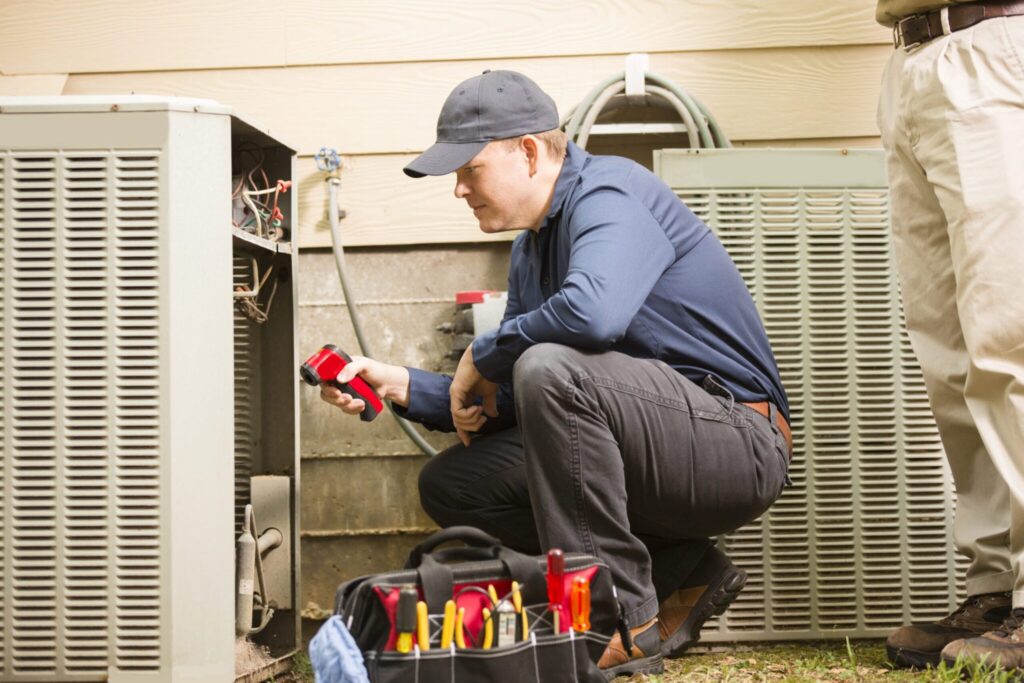
Looking for someone to handle your heating and cooling? It’s kind of a pain. You’re scrolling through reviews, checking prices, wondering if the guy who says he’ll show up Monday will actually show up Monday. Or at all. Los Angeles has, what, hundreds of HVAC companies? And half of them promise the same thing. Fast service. Fair prices. Quality work. But here’s the thing. Knowing what to actually look for cuts through all that noise pretty fast. Check Their Credentials and Experience Start here: verify their licenses. California requires HVAC technicians to have proper certifications, so don’t skip this part. When you’re reaching out, ask about their experience with your specific system type. Are they comfortable with furnaces, air conditioners, heat pumps? Experienced teams get the quirks of older Los Angeles homes and newer construction because they’ve worked on both. Ask for references from past jobs too. Real customers will give you honest feedback about whether the technician showed up on time, kept the place clean, and actually fixed the problem. This is important, so don’t brush over it. Read Recent Reviews and Ratings Online reviews show you what actually happens when someone’s working in your home. Scroll through and look for patterns. Don’t just focus on one or two comments, but notice what keeps coming up. Did people mention fair pricing? Did the work actually last? Were there surprise charges that weren’t in the initial estimate? Check Google, Yelp, and the Better Business Bureau for a complete picture. What’s really telling is how companies respond to negative reviews. The good ones address complaints head on and actually try to fix things. Get Multiple Quotes Here’s the thing: never go with the first person you call. Reach out to at least three companies in your area and ask for detailed estimates. A solid quote should include: Equipment costs and which brands they’re using Labor charges that are clearly broken down When they can complete the work Warranty coverage on both parts and labor Any permits or inspections that are needed When you compare quotes, you’ll get a feel for what things should actually cost. If one bid looks way too cheap, that’s a red flag. Usually that means they’re cutting corners somewhere. Ask About Warranties and Guarantees Good work needs to be backed up with guarantees. Trustworthy HVAC installers near me stand behind their labor with warranties that typically last one to five years. The equipment manufacturers usually cover their own stuff too. Make sure you understand exactly what’s protected before you sign anything. Verify Insurance and Bonding Licensed technicians carry liability insurance and bonding. This is your safety net if something goes wrong while they’re installing your system. Always ask to see proof before they start work. Communication Matters Pay attention to how they handle your first questions. Do they explain things clearly? Can they break down technical stuff in a way that makes sense? The reliable teams make it easy to talk to them from day one all the way through the end of the project. Final Words Look, finding the right installer takes some legwork. You’re gonna spend a few hours researching, making calls, comparing bids. But think about it this way: you’re not just buying an air conditioner. You’re buying the next 10 to 15 years of being comfortable in your own house. Check credentials. Read what other people say. Get at least three quotes, maybe four if you’re still unsure. Ask the questions that matter to you, even if they sound basic. A solid team shows up when they say they will, installs your system right the first time, and doesn’t disappear when you call six months later with a question. Your comfort’s worth getting this choice right. Frequently Asked Questions (FAQs) 1. How do I find reliable HVAC installers near me? Start by checking licenses and certifications, reading recent customer reviews, and comparing multiple quotes. Reliable HVAC installers near me are transparent, experienced, and properly insured. 2. Why is it important to verify HVAC licenses in Los Angeles? California requires HVAC technicians to be licensed. Verifying credentials ensures the installer meets state standards and has the training needed to work on heating and cooling systems safely. 3. What should I look for in HVAC reviews and ratings? Focus on patterns in reviews, such as punctuality, fair pricing, and long-lasting repairs. Also pay attention to how HVAC companies respond to negative feedback. 4. How many HVAC quotes should I get before choosing an installer? You should get at least three detailed quotes. Comparing estimates helps you understand fair pricing and avoid HVAC installers near me who may cut corners with unusually low bids.
Why Businesses Trust an HVAC Contractor in Los Angeles for Updated Thermostat Repairs

Your thermostat is basically the brain of your whole comfort system. When it stops working, everything gets messy. Temperatures bounce all over the place, your energy bills climb up, and everyone in the building across Los Angeles gets annoyed. Businesses can’t just sit around while that happens, so they call in the pros who actually know what they’re doing with thermostats. What Goes Wrong With Thermostats There’s actually a bunch of ways thermostats can fail. Some drift out of whack over time. Others just get tired after running constantly for years. Wiring comes loose. Batteries die. Sensors quit reading temperatures right. Here’s the thing though: most business owners don’t notice something’s wrong until the whole system just stops responding. And when that happens, you lose temperature control, comfort disappears, and your energy bills go crazy. Why Professional Repair Matters You really shouldn’t try to fix a thermostat yourself. Here’s what you actually need: Knowledge of electrical systems and how to stay safe Understanding of how thermostats talk to your HVAC unit The ability to figure out if you need a repair or a full replacement Good quality replacement parts Proper installation so nothing breaks again next month A real technician comes in, runs tests on everything, and figures out what’s actually wrong. They’re not guessing or slapping on some temporary bandage. They actually fix the issue the right way, the first time. Updated Thermostat Technology Newer thermostats do way more than the old ones. You get programmable settings so you can dial back the temperature when nobody’s around. Smart thermostats let you control things from your phone. The sensors are way more accurate at reading what’s going on. Better systems mean less wasted energy and smaller monthly bills. If you’re replacing an old thermostat, it makes sense to go with something current. You’ll save money down the road thanks to better efficiency. The Cost of Waiting When you ignore thermostat problems, things get worse. A broken thermostat makes your HVAC system work overtime, which kills the lifespan of compressors, fans, and everything else. What should’ve been a quick fix turns into a massive repair bill. Businesses that tackle thermostat issues early sidestep expensive repairs and emergency calls. Getting It Done Right It matters who you pick to do the work. A good HVAC Contractor Los Angeles brings real experience, the right tools, and knowledge of tons of different thermostat brands. They know the building codes and safety rules in your area. Most contractors worth their salt back their repairs and fix problems right the first time around. When someone comes out for a proper inspection, they usually catch other issues you didn’t even know existed. Regular checkups keep everything running smooth. Quick repairs stop small problems from snowballing into total disasters that shut your business down. Final Words Don’t put off thermostat repairs. Your business runs better when the temperature stays consistent. Workers complain less. Customers stick around longer. Everything flows easier. Getting professional help keeps your systems working right, your energy bills reasonable, and those surprise breakdowns from happening at the worst possible moment. When your thermostat acts up, just bring in someone who fixes these things for a living. Frequently Asked Questions (FAQs) 1. Why is a thermostat so important for commercial buildings? A thermostat controls your entire HVAC system. When it fails, temperatures become inconsistent, comfort drops, and energy bills increase fast. 2. What are common thermostat problems in businesses? Thermostats can lose calibration, develop wiring issues, suffer sensor failures, or stop working due to age, dead batteries, or constant use. 3. How can I tell if my business thermostat needs repair? Signs include uneven temperatures, unresponsive controls, sudden energy bill spikes, or the HVAC system running nonstop or not turning on at all. 4. Should businesses attempt DIY thermostat repairs? No. Thermostats involve electrical wiring and system communication. A licensed HVAC Contractor Los Angeles can safely diagnose and repair issues correctly.
When Should You Call Heating Services Near Me for Commercial Thermostat Repair
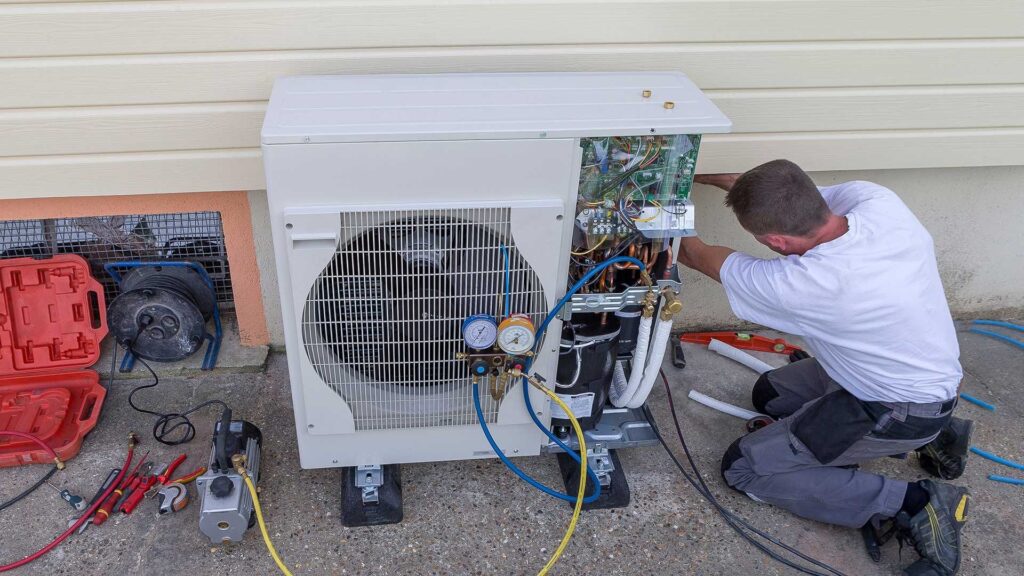
A broken thermostat in your commercial space isn’t just uncomfortable. It wrecks productivity, annoys tenants, and jacks up energy bills in ways you didn’t see coming. Knowing when to call for help matters way more than most business owners think. Signs Your Thermostat Needs Professional Attention Watch out for temperature swings that make no sense. If some zones feel like ovens while others stay freezing, or if the system keeps kicking on and off, that’s your cue something’s wrong. A thermostat that ignores your adjustments is another big warning sign. Sometimes the display just goes dark or flashes error codes you can’t decipher. Weird noises coming from your HVAC unit combined with thermostat problems usually mean something deeper is going on. Your energy bills creeping up without a good reason? That deserves a closer look. And when your staff keeps complaining about the temperature being all over the place throughout the building, that’s not just annoying. It tells you the thermostat has lost the ability to keep things stable. Why Timing Matters for Commercial Spaces Commercial buildings run on tight schedules. A broken thermostat messes that up completely. Offices need consistent temperatures for work. Retail shops need comfortable environments for customers. Restaurants rely on climate control for food safety and making guests happy. Push off the repair too long and you’re looking at a full replacement instead of a quick fix. Problems pile up. A thermostat that’s slightly off today becomes totally unreliable tomorrow. Let it slide and you’re putting strain on the whole HVAC system, which then needs expensive repairs later. What to Expect From Professional Service Real technicians dig into what’s causing the problem. Could be a bad sensor, wiring trouble, or a unit that’s just too old. They run proper diagnostics and test each component. They run tests, check calibration, and make sure everything’s working right before they leave. Getting professional help means you get a real solution, not just a quick band-aid. Experts know commercial-grade thermostats inside and out, and they understand how they work with your bigger HVAC setup. They spot issues that homeowners would completely miss. When you bring in Heating Services Near Me, you’re getting someone who gets your specific system. When to Call Right Away Don’t sit on it if your building’s getting unsafe temperature-wise. If the thermostat craps out during your busiest hours, pick up the phone now. Multiple zones going haywire at the same time? That’s urgent. Anything affecting how comfortable your tenants are or how your business runs needs quick attention. The smart move for Los Angeles is scheduling service during downtime so you don’t interrupt business. Plus, most commercial buildings do better with regular tune-ups anyway. Catching small issues before they blow up saves headaches. Final Words Commercial thermostat problems need fast action. Spotting the warning signs and getting help early keeps your space comfortable and your wallet from taking a hit. Professional technicians fix these issues the right way, keeping your business running smooth and your systems working like they should. Get help when problems show up instead of waiting for bigger failures. Frequently Asked Questions (FAQs) 1. When should I call Heating Services Near Me for thermostat repair? You should call Heating Services Near Me when your commercial thermostat stops responding, shows error codes, causes uneven temperatures, or leads to rising energy bills. 2. What are common signs a commercial thermostat is failing? Common signs include temperature swings between zones, frequent system cycling, blank or flashing displays, strange HVAC noises, and constant comfort complaints from staff or tenants. 3. Can a faulty thermostat increase energy costs? Yes. A malfunctioning thermostat can cause your HVAC system to run inefficiently, leading to higher energy bills without any change in usage. 4. Is it okay to delay commercial thermostat repair? Delaying repair can cause bigger HVAC problems, system strain, and even full thermostat replacement. Early service helps avoid costly breakdowns.
What Are the Benefits of Professional Heating Cooling Near Me Services?
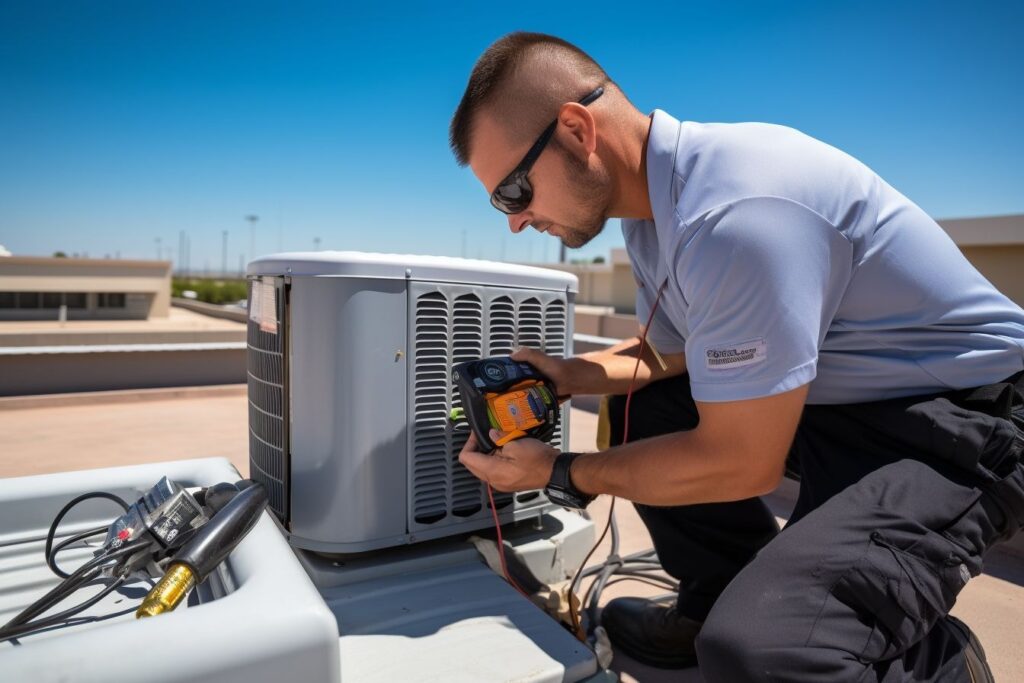
When your HVAC system starts acting up, you don’t want to spend hours trying to figure out what’s wrong on your own. Getting professional help from someone local makes a huge difference. A trained technician can spot problems quickly and fix them the right way the first time, so you’re not dealing with the same issue again next week. Why Local Service Matters Here’s the thing about choosing a nearby HVAC company: you get faster response times. You’re not sitting around waiting days for someone to show up. Local technicians know your area, understand the heating and cooling challenges that Los Angeles homes face, and can reach you fast when something goes wrong. These professionals also get your local climate. Los Angeles has specific temperature and humidity demands throughout the year. A heating cooling near me technician who works in your neighborhood knows exactly what systems perform best for your particular home situation. Getting Your System Running Right A broken furnace when it’s cold or a dead air conditioner during summer heat isn’t just annoying. It’s actually stressful for your whole household. Professional technicians own the right tools and training to figure out what’s wrong. They test, inspect, and diagnose the real issue before they start repairs. When repairs get done correctly from the start, you save real money. Those cheap fixes that fail cost way more down the road. Professionals get it right. Keeping Things Running Longer Regular maintenance stops breakdowns. Professionals clean filters and components. Air flows better. They check refrigerant levels. They test electrical connections for safety. They inspect ductwork and find leaks. This maintenance adds years to your equipment. Well-maintained systems break down rarely. Energy Bills Drop HVAC systems that run well use less energy. A furnace or air conditioner running efficiently drops your monthly bills. Savings add up over time. Technicians tune systems for the best performance. They adjust settings, clean parts, and make sure everything works right. Performance improves. Costs drop every month. Peace of Mind A professional taking care of your system means less worry. No sudden breakdowns. No safety concerns. Qualified technicians catch problems early, before they become emergencies. You also get expert knowledge. Technicians answer your questions about how your system works. They explain what’s going on and give tips on extending equipment life. Final Words Professional heating and cooling service keeps your home comfortable year-round. Local technicians respond fast and fix things right. Maintenance extends equipment life. Energy bills drop. Emergency repairs become rare. When you need HVAC help, hire a local professional. Frequently Asked Questions (FAQ) 1. What does “heating cooling near me” mean? Heating cooling near me refers to local HVAC professionals who provide heating and air conditioning repair, maintenance, and installation services in your area. 2. Why should I choose a local heating and cooling company? Local technicians respond faster, understand Los Angeles climate needs, and can quickly diagnose and fix HVAC problems without long wait times. 3. How do professional HVAC technicians diagnose problems? Professionals use specialized tools to inspect, test, and identify the exact issue before making repairs, ensuring the problem is fixed correctly the first time. 4. Can professional heating and cooling services lower energy bills? Yes. Proper maintenance and system tuning improve efficiency, which reduces energy use and helps lower monthly utility costs.
Why AC Repair Los Angeles Should Be Handled by Certified Technicians
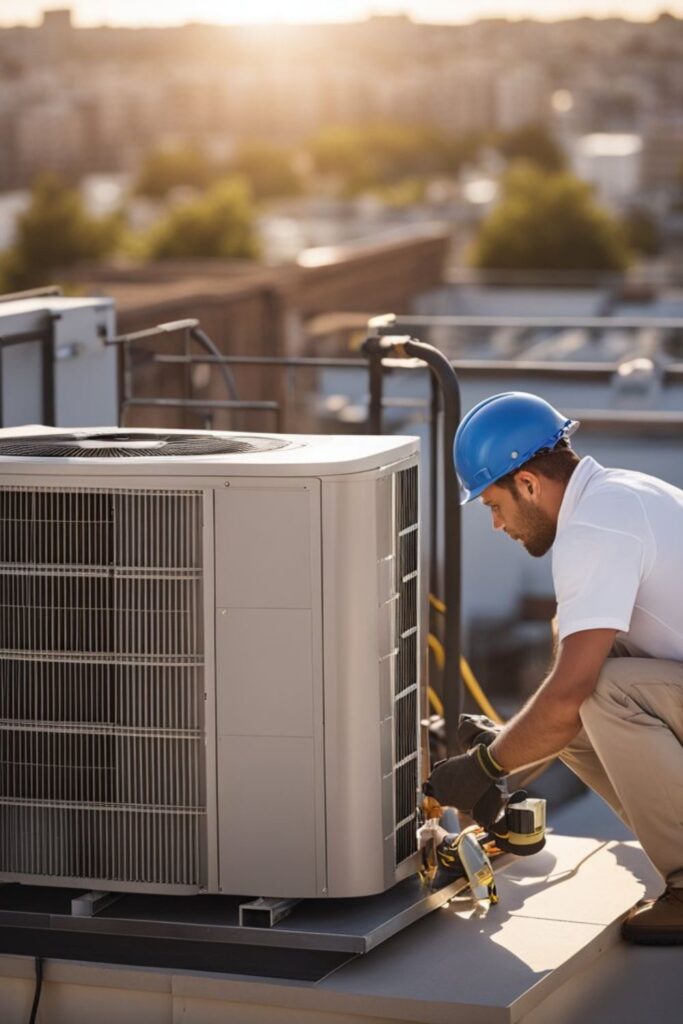
Your AC goes out in the middle of summer and panic sets in. Your first thought? Call whoever can get there fastest. But here’s the thing most people don’t know: letting someone without proper credentials work on your system can end up costing you a fortune. AC Repair Los Angeles jobs aren’t something you want to wing. The reality is that a certified technician and someone without real training will give you completely different results. You’ll notice the difference in how long your unit actually lasts and whether it runs safely. What Certified Technicians Actually Know Certified technicians have spent serious time learning how cooling systems work. They know their way around refrigerant, electrical components, and the specific codes that Los Angeles requires. This stuff matters because if someone handles refrigerant wrong, they’re not just breaking your AC. They’re creating safety hazards and environmental problems that can bite you later. Here’s what happens with uncertified workers: they fix what’s staring them in the face but miss the real issue underneath. So your AC works again for a few months. Then boom, the same problem comes back. A certified tech actually digs deep to find what’s really going on. Safety Isn’t Negotiable AC systems have electrical work and pressurized parts. Mess up the wiring and you could start a fire. Puncture a refrigerant line and toxic gas leaks into your home. Certified technicians carry proper insurance and follow safety protocols because they know what can go wrong. They also stay on top of local rules. Los Angeles has specific requirements for any AC work someone does. A certified professional keeps current with these standards. Someone without credentials probably won’t even know they exist. Your System Gets Diagnosed Right Certified technicians use actual diagnostic tools instead of just guessing what’s wrong. They’ll hook up meters, check voltage, test the compressor. A good tech finds the actual broken part instead of replacing stuff randomly until something works. Plus, they get your specific unit. Different models work different ways. A certified tech knows how to handle your particular system without messing things up while they’re fixing them. Long-Term Savings Actually Add Up Sure, certified technicians might charge more when they show up. But think about what goes wrong when repairs aren’t done right: Your system breaks again and again, draining your savings Sloppy work voids what the manufacturer guarantees Emergency calls cost extra money you didn’t budget for The whole system fails on the hottest day of summer when rush service costs triple Getting it fixed correctly the first time saves you from all of this headache. Peace of Mind Matters After a certified tech finishes, you get an invoice showing what broke and what they replaced. This matters when your warranty company asks questions or when you’re selling your house and the inspector wants maintenance records. It’s proof you didn’t let some random person hack at your AC. Final Words Your air conditioning keeps your home comfortable during hot months. Letting an uncertified person work on it is gambling with a system that costs thousands to replace. Get someone who actually knows what they’re doing. Frequently Asked Questions (FAQs) Q1. Why should AC Repair Los Angeles be done by certified technicians?Certified technicians have proper training in refrigerant handling, electrical systems, and local Los Angeles codes. This ensures safe, accurate, and long-lasting repairs. Q2. What risks come with hiring an uncertified AC repair technician?Uncertified workers may miss underlying problems, cause safety hazards, void warranties, and lead to repeated breakdowns that increase repair costs over time. Q3. How do certified technicians diagnose AC problems correctly?They use professional diagnostic tools to test voltage, compressors, and system performance, allowing them to fix the actual issue instead of guessing. Q4. Is AC repair work in Los Angeles required to follow specific regulations?Yes. Los Angeles has strict rules for AC repairs, especially involving refrigerants and electrical components. Certified technicians stay compliant with these standards.
How to Find the Best AC Replacement Near Me for Your Home
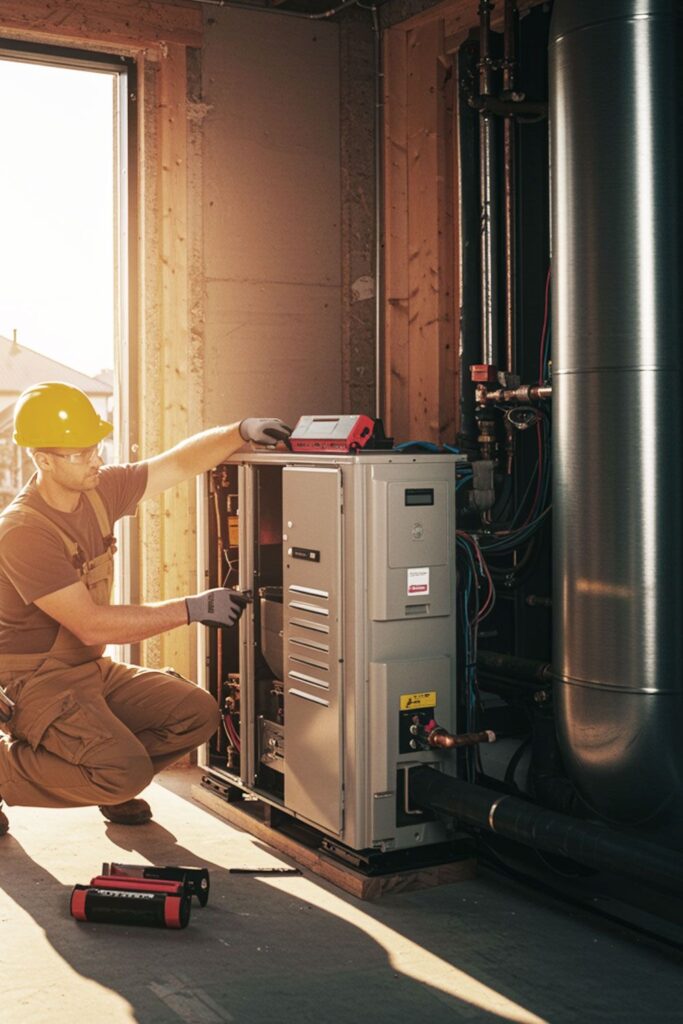
When your air conditioning system starts failing, the stress hits hard. You’re dealing with sweat, skyrocketing energy bills, and the knowledge that something needs to happen now. So where do you even begin? Finding a solid contractor for AC replacement near me service makes a real difference. It’s not just about swapping out equipment, it’s about putting your trust in someone to handle one of the most important comfort systems in your home. Know When Your AC Needs Replacing Your system might be struggling, running all day but barely keeping things cool. Maybe weird noises are coming from the unit, or you’re constantly calling for repairs. If your AC’s been around for 10 to 15 years or longer, pulling the trigger on replacement usually beats spending more money on fixes. Older units also burn through energy like crazy, which shows up when you open your utility bill. What to Look for in a Service Provider The right company brings way more than just tools and a truck. Here’s what matters: They explain things in plain language, no confusing jargon They give you an honest look at what you’ve got now They tell you the price upfront before touching anything They back up their work with real warranties They actually show up on time and treat your home with respect Universal HVAC Los Angeles handles AC replacement work for homes throughout the area. Their technicians figure out what you actually need instead of pushing stuff you don’t. Get Multiple Quotes Jumping on the first option you find isn’t the move. Talk to a few different outfits. Have them check out your system and walk you through what comes next. Look at prices, yeah, but also think about how much experience they’ve got and whether they seem like people you can work with. A rock bottom quote doesn’t mean much if corners get cut. Consider Energy Efficiency New AC units are way more efficient than older ones. You’ll notice that in your monthly cooling bills. Ask what units would work best for your home’s size and what you’re willing to spend. A system that’s sized right performs better and sticks around longer than something that’s too oversized or undersized. Ask About the Installation Process How they install your new system matters just as much as the equipment itself. Good technicians walk you through what happens during the swap, how long you’re looking at, and what to watch for once it’s running. Universal HVAC Los Angeles takes care of everything from start to finish, making sure your new system runs like it should. Check References and Reviews Pay attention to what other homeowners have to say about their experience. Did the crew finish when they said they would? Did they clean up the mess? Were they professional and knew what they were talking about? Real people sharing real stories tell you way more than any sales pitch. Wrapping Up Getting the right AC replacement service really boils down to doing your homework. Compare what’s out there, ask good questions, and go with a company that respects your home. Your comfort depends on it, and picking the right one pays off for years. Frequently Asked Questions (FAQs) 1. How do I know it’s time for AC replacement near me? If your AC is over 10–15 years old, needs frequent repairs, makes loud noises, or struggles to cool your home, replacement is often the better option. Older systems also use more energy, which increases utility bills and reduces overall comfort. 2. Why should I hire a local AC replacement service? Choosing a local AC replacement near me means faster response times, better knowledge of local climate needs, and technicians who are familiar with area homes. Local companies also rely on customer trust and reviews, which often leads to better service quality. 3. What should I look for in an AC replacement contractor? Look for clear communication, upfront pricing, proper licensing, warranties, and positive reviews. A reliable contractor will inspect your system, recommend the right size unit, and explain the installation process without pressure or confusing jargon. 4. Is energy efficiency important when replacing an AC system? Yes. New AC systems are far more energy-efficient than older units. Choosing the right-sized, high-efficiency system can lower monthly energy bills, improve cooling performance, and extend the life of your equipment.
What You Need to Know About HVAC System Installation in Los Angeles

Most people don’t think about their HVAC system until something goes wrong. But here’s the thing: timing really matters, especially in LA. When summer heat hits and your system fails, you’re suddenly dealing with discomfort and scrambling to find help. That’s why understanding what goes into HVAC system installation in Los Angeles actually helps you make better decisions before you’re stuck in a crisis. Why Timing Matters in LA Los Angeles heat is no joke. Summer temperatures climb fast, and older units just can’t keep up with the demand. If you wait until your system completely fails, you’ll be making rushed decisions under pressure, and that usually means spending more money than you need to. Getting ahead of the problem means you can pick the right equipment and find a good installer without all that stress hanging over your head. What Happens During Installation Installing a new HVAC system involves way more than just swapping out old equipment for new. Technicians look at your home’s size, how well it’s insulated, and the layout. They’ll check your ductwork for leaks or any damage that needs fixing. Getting the unit sized right is crucial because if it’s too small, it’ll run constantly trying to cool your place. Too big, and it’ll turn on and off inefficiently, wasting energy. The actual installation process takes time. Crews need to remove your old equipment, prepare the space, mount the new components, and run tests to make sure everything works. Charging the refrigerant correctly matters a lot. Electrical connections have to be accurate. The ductwork needs proper sealing. These are the things that separate real quality work from jobs where shortcuts get taken. Choosing the Right System Not all homes need the same setup. Some properties work better with traditional split systems, while others benefit from different approaches. Energy efficiency ratings vary depending on the model you pick. Noise levels are different too. And warranty coverage changes based on what equipment you choose and how well the installation’s done. When you work with local contractors who know LA, they understand what systems actually handle the heat effectively. Plus, they’re familiar with local building codes and what permits you’ll need to get approval. Installation Costs and Planning What you’ll pay depends on a bunch of factors: System size and what type you’re getting Your home layout and the condition of your ductwork Removing old equipment Permit and inspection fees What warranty options you want Talk to a few different companies and get quotes. When you’re comparing them, pay attention to what’s included. Some quotes cover permits and inspections, but others don’t. Ask about warranties on both the parts and the labor. Sometimes really cheap installations mean they’re cutting corners on quality work. After Installation Once you’ve got a new system, keeping it running well means regular maintenance. Change your filters. Get the coils cleaned. Check that refrigerant levels are right. Annual tune-ups can catch small issues before they turn into expensive repairs down the road. Good installation creates the foundation for years of reliable operation. But poor installation? That’s when problems pop up months later when you least expect them. Final Words Getting HVAC system installation done right in Los Angeles takes real planning and skilled work. You’ll make better choices when you understand what the process involves, compare your options, and pick installers who actually know what they’re doing. The right system, installed properly, keeps your home comfortable through those hot LA summers while keeping your energy bills reasonable. Don’t wait for things to break. Plan ahead and you’ll save yourself a lot of headaches. Frequently Asked Questions (FAQs) 1. How do I know when it’s time for HVAC system installation in Los Angeles? If your HVAC system struggles during hot Los Angeles summers, runs constantly, or no longer cools your home evenly, it may be time for a new installation. Older units often can’t handle rising temperatures efficiently, leading to higher energy bills and frequent repairs. Planning installation before a complete failure helps you avoid emergency decisions and unnecessary costs. 2. Why does timing matter for HVAC system installation in Los Angeles? Timing matters because HVAC demand spikes during LA’s summer heat. Waiting until your system fails can mean higher prices, limited availability, and rushed choices. Installing before peak season allows you to compare systems, choose energy-efficient options, and work with experienced local contractors without pressure, saving money and reducing stress. 3. What happens during HVAC system installation? HVAC system installation involves more than replacing old equipment. Technicians assess your home’s size, insulation, and ductwork condition, ensure proper system sizing, remove old units, install new components, seal ducts, connect electrical systems, and test performance. Proper refrigerant charging and airflow checks are critical to long-term efficiency and comfort.
Why Choosing Local HVAC System Installation in Los Angeles Matters for Businesses

When your business needs climate control work, it’s easy to just call the first contractor who picks up. But here’s the thing: that approach usually doesn’t work out. Local expertise actually matters way more than most business owners realize, especially in a sprawling city like Los Angeles, where weather changes and building codes are different depending on where you are. Understanding Your Building’s Specific Needs Here’s what people don’t always think about: every business space is totally different. A warehouse near the coast deals with salt air and humidity that eats away at equipment. Downtown office buildings get hammered by heat bouncing off all that concrete and glass. Retail shops in the valley? They’re basically getting cooked by afternoon sun. One-size-fits-all solutions just don’t work. Local technicians get these regional differences. They know which systems actually handle Los Angeles conditions without constantly breaking down. They understand how your exact location affects how hard your cooling and heating systems need to work. This local knowledge saves you from expensive mistakes later on. Speed and Reliability When You Need It Most Equipment always fails at the worst possible times. When your HVAC system installation Los Angeles goes down during a sweltering summer or freezing winter, your business grinds to a halt. Local teams show up way faster than someone from across town or out of state. They’ll be there the same day. They’ve got common replacement parts sitting in their trucks. They know local suppliers and can grab what you need without weeks of waiting around. Downtime hits your wallet hard. Every hour without proper climate control tanks productivity, makes your customers uncomfortable, and sometimes ruins products. Using nearby service providers means quicker fixes and way less money lost. Building Long-Term Relationships When you work with local professionals, you build real trust over time. They know your space inside and out. They remember what equipment you have and what issues came up before. They can spot problems coming before they actually happen. This is way better than calling random contractors who’ve never seen your building before. Regular maintenance from the same crew catches small stuff before it turns into big, expensive problems. Technicians notice patterns in how your equipment behaves. They suggest upgrades that actually fit what you need. They turn into partners in keeping everything running smoothly. Compliance and Code Knowledge Los Angeles has its own specific building codes and rules. Local installers stay on top of these requirements because they work with them all the time. They get the right permits. They make sure work passes inspections. They handle all the paperwork the way it should be done. Contractors from out of the area sometimes miss local regulations. That creates liability headaches for you. You end up paying once for the wrong work and again to get it fixed the right way. Having local expertise right from the start prevents these kinds of expensive mistakes. Supporting Your Community When you choose local, that money stays in Los Angeles. Local businesses hire local workers. They pay local taxes. They put money back into the community. That matters, not just for getting your climate control work done right, but for the whole area. Final Words Going with nearby climate control professionals pays off in lots of ways. You get faster response times, better understanding of local conditions, stronger relationships with people who know your business, and proper code compliance. Businesses that focus on local expertise end up spending less on emergency repairs and get more reliable comfort all year long. Once you think about what actually matters for keeping operations smooth, the choice is pretty obvious. Frequently Asked Questions (FAQs) 1. Why is long-term maintenance better with a local HVAC contractor?Local technicians become familiar with your building and equipment, allowing them to catch small issues early and recommend upgrades that fit your specific needs. 2. Do local HVAC installers understand Los Angeles building codes?Yes. Local contractors stay current with city regulations, handle permits, and ensure installations pass inspections, helping businesses avoid compliance issues. 3. What risks come with hiring out-of-area HVAC contractors?Non-local contractors may miss local code requirements, leading to failed inspections, costly corrections, and potential liability problems.
How Commercial Heating Installation Los Angeles Reduces Energy Costs
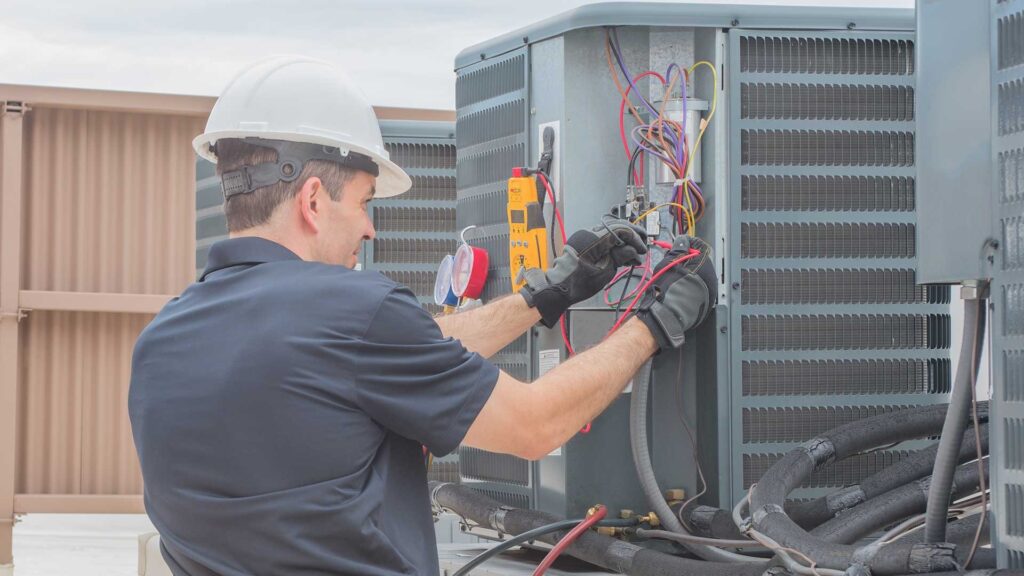
Here’s the thing: heating systems drain a lot of money from business budgets in Los Angeles. When equipment isn’t working efficiently, utility bills skyrocket pretty fast. But here’s the good news: a properly installed heating system can cut those costs way down. Getting the right commercial heating installation in Los Angeles tackles one of the biggest money leaks in most businesses. Older systems waste tons of energy because they’re poorly designed, stuck with outdated technology, and just plain inefficient. Swapping them out for newer equipment pays off almost right away. Why Old Systems Cost More Aging heating units have to work overtime to keep temperatures steady. They kick on and off constantly. Ductwork develops leaks that nobody notices for years. All this adds up to higher energy use while comfort actually goes down. So businesses end up paying more for heating that’s less reliable. New installations solve these issues. Modern systems maintain steady temperatures and use less energy. They respond to temperature changes faster. Settings stay accurate longer. What Modern Systems Deliver Today’s heating technology runs at better efficiency levels. Equipment built for commercial spaces tackles large areas without straining. Smart controls give you zone-by-zone temperature settings. You can program schedules for when the building’s in use versus empty. Here’s what matters though: installation quality counts just as much as the equipment itself. Technicians size systems right for your actual building needs. They seal ductwork properly so nothing leaks. They place equipment to get the best airflow and waste as little as possible. Real Savings Add Up Energy costs drop when systems operate efficiently. You’re looking at 20 to 40 percent lower heating bills in most cases. That’s thousands saved annually for a typical commercial building. How much you save depends on a few things: Building size and layout How old your previous system was and what shape it’s in What you pay for energy locally How much you use heating throughout different seasons A lot of businesses actually pay back the installation costs within five to seven years just from the energy savings. Installation Quality Matters Not all heating work gives you the same results. When you get professional installation, you get: Systems sized correctly for your space Ductwork designed and sealed properly Thermostats placed where they work best Airflow balanced throughout the building Everything meeting local codes and requirements Bad installation wastes money even if you’ve got quality equipment. Systems run longer than they should. You get hot and cold spots. Energy efficiency takes a hit. Maintenance Matters New systems need regular upkeep to stay efficient. Filters get dirty. Components wear out. Schedule seasonal tune-ups so everything runs right. Skip maintenance and efficiency drops gradually. Your costs go up. Get maintenance done before heating season starts. You catch problems early instead of dealing with breakdowns when you need heat. Final Words Switching to modern heating equipment cuts energy costs. Getting professional help in Los Angeles means you pick the right system and install it correctly. Stay on top of maintenance and your utility bills stay lower. Your heating works when you need it. Frequently Asked Questions (FAQs) 1. How does commercial heating installation in Los Angeles lower energy costs?A properly installed commercial heating system runs more efficiently, reducing wasted energy. Correct sizing, sealed ductwork, and modern controls help businesses in Los Angeles lower monthly utility bills. 2. Why do older commercial heating systems cost more to operate?Older systems rely on outdated technology, struggle to maintain steady temperatures, and often have leaking ductwork. This forces them to use more energy while delivering less comfort. 3. How long does it take to recover the cost of a new heating system?Many businesses recover installation costs within five to seven years through lower energy bills and reduced repair expenses.
Why Commercial AC Maintenance in Los Angeles Matters for Your Business
Your business has a ton of things going on. The last thing you want is your AC system breaking down when it’s 95 degrees outside. In Los Angeles, where the heat can come out of nowhere, keeping your cooling system working isn’t just about staying comfortable. It’s about keeping your business running smoothly and your costs from spiraling out of control. What Happens When You Skip Maintenance Here’s the thing about ignoring air conditioning problems: they don’t just appear overnight. They sneak up on you. Dust clogs your filters. Refrigerant levels drop without you noticing. Coils get blocked up. Each small issue feeds into the next one, and before you know it, your unit is working twice as hard to cool the same space. Your energy bills jump up. Your team gets cranky when the office turns into a sauna. Your customers definitely notice the difference too. And honestly? Emergency repairs will cost you way more than regular maintenance ever would. If something fails on a Friday afternoon, you’re paying premium rates for emergency service. That downtime directly hurts your bottom line. Why Los Angeles Businesses Need to Pay Attention The weather here doesn’t make things easy. Summer temperatures push systems to their absolute limit constantly. Without proper care, your equipment ages faster than it should. Parts wear out quicker. You’ll need to replace things years sooner than necessary. Getting regular commercial AC maintenance Los Angeles keeps your system running at full strength. Routine service catches small problems before they become massive headaches. Technicians clean everything, check all the connections, test how things are performing, and catch any signs of wear before they become real issues. The Real Benefits When you stick with regular maintenance, you actually see real results: Your energy bills stay reasonable instead of jumping through the roof Equipment lasts longer and doesn’t give you constant problems Breakdowns happen rarely, not all the time Your team stays cool and stays focused on work Customers walk into a space that feels consistently comfortable A well-maintained system also keeps you compliant with building codes and lease agreements. Most commercial properties actually require documentation of maintenance. Regular service creates that record and protects you legally. Getting Ahead of Problems The smart move is staying on top of things before something breaks. Instead of waiting for a failure, routine maintenance keeps everything working the way it should. Technicians replace worn filters, clean out ducts, and make sure refrigerant levels are exactly right. This kind of preventative work stops those emergency calls that disrupt your entire day. Businesses in Los Angeles operate in a tough market where reliability counts. Tenants expect the AC to work. Customers notice whether the space feels good. Employees actually work better when conditions are stable and comfortable. Bottom Line Skipping AC maintenance might save you money this month, but it’ll cost you way more later on. Regular service protects what you’ve invested in your equipment, keeps energy bills under control, and stops costly emergencies from happening. For any business in Los Angeles, making AC maintenance a real priority instead of something you get around to eventually just makes sense. Your system keeps running. Your business keeps moving forward. Frequently Asked Questions (FAQs) 1. Why is commercial AC maintenance important for businesses in Los Angeles?Los Angeles experiences sudden heat waves that put heavy strain on commercial AC systems. Regular maintenance helps prevent breakdowns, keeps energy costs under control, and ensures a comfortable environment for employees and customers. 2. What problems can occur if commercial AC maintenance is skipped?Skipping maintenance can lead to clogged filters, dirty coils, low refrigerant levels, higher energy bills, uneven cooling, and unexpected system failures that require costly emergency repairs. 3. How often should a commercial AC system be serviced?Most commercial AC systems should be serviced at least twice a year, typically before the summer and after peak usage. High-use businesses may need more frequent inspections to maintain optimal performance.
What Makes Emergency Air Conditioner Repair Los Angeles Reliable
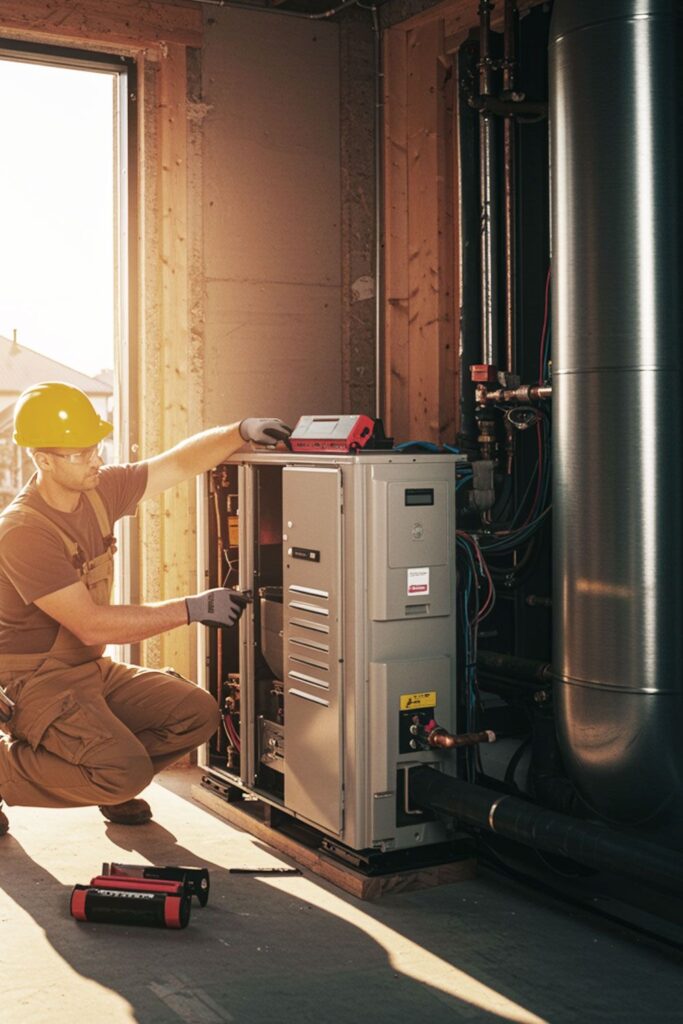
Your AC dies in the middle of a heat wave, and suddenly your house turns into an oven. You need someone who can get there fast and actually fix the thing. Not tomorrow. Not in three days. Today. That’s when reliability becomes everything, and honestly, it’s about more than just showing up quickly. It’s about knowing the job gets handled right, the first time around. Response Time That Actually Counts A broken air conditioner isn’t some small problem you can live with for a few days in Los Angeles. The temperature climbs, and homes become totally uncomfortable within hours. Good repair services get this. They keep people on call around the clock, not just during regular business hours. When someone picks up at 2 AM or on Sunday morning, that tells you they actually care about emergencies. You can tell the difference between companies that prioritize speed and ones that don’t by looking at how they dispatch trucks. Real emergency services position technicians all over the city so they don’t waste time driving. Nobody wants to wait six hours for a repair person to show up from across town. Technicians Who Know Their Stuff Being fast doesn’t help much if the person who arrives can’t figure out what’s wrong. The best services hire technicians with real training and plenty of experience working on AC units. These aren’t newbies learning while they work on your system. They’ve dealt with tons of different AC failures and know exactly what to check. A good technician can find problems quickly: Refrigerant leaks that stop the cooling Compressor issues that need replacing Electrical problems are keeping the unit from starting Thermostat problems are messing with your temperature control Nailing the diagnosis right away saves you money. You don’t end up paying for repairs that don’t actually fix anything, and you won’t have someone come back out because they missed the real issue the first time. Transparent Pricing and Honest Work Sure, emergency calls cost more than regular service calls. People expect that. But reliable companies won’t take advantage of the situation and charge you crazy prices. They tell you what’s broken, why it needs fixing, and what you’ll pay before they start working. No hidden charges. No surprise bills showing up later. Some shops try to convince customers they need a whole new unit when a repair would work fine. Companies worth trusting recommend what actually solves your problem, not what makes them the most money. Parts and Warranties Good repair services keep common parts in stock so they can get your system running the same day. They don’t order stuff and leave you sitting in the heat for days waiting around. They also guarantee their work with warranties, so if something goes wrong soon after the repair, they come back and fix it at no extra cost. Here’s What It Comes Down To Reliable emergency air conditioner repair companies in Los Angeles give you fast response times, skilled technicians who actually know what they’re doing, fair pricing, and quality parts. When the heat gets unbearable, these are the services that jump in and get your home comfortable again without adding stress to your day. That’s what makes them stand out from everyone else. Frequently Asked Questions (FAQs) 1. How fast can an emergency AC repair service respond in Los Angeles?Most reliable emergency AC repair companies in Los Angeles can arrive the same day, often within a few hours. Many offer 24/7 service to handle breakdowns during heat waves or late-night emergencies. 2. Is emergency air conditioner repair available 24/7?Yes. Trusted HVAC companies provide 24/7 emergency AC repair, including nights, weekends, and holidays, to restore cooling as quickly as possible. 3. How much does emergency AC repair cost in Los Angeles?Emergency AC repair costs vary depending on the issue, time of service, and parts needed. Reputable companies provide upfront pricing before starting work, so there are no surprises.
What Are the Benefits of Professional Thermostat Repair Los Angeles?
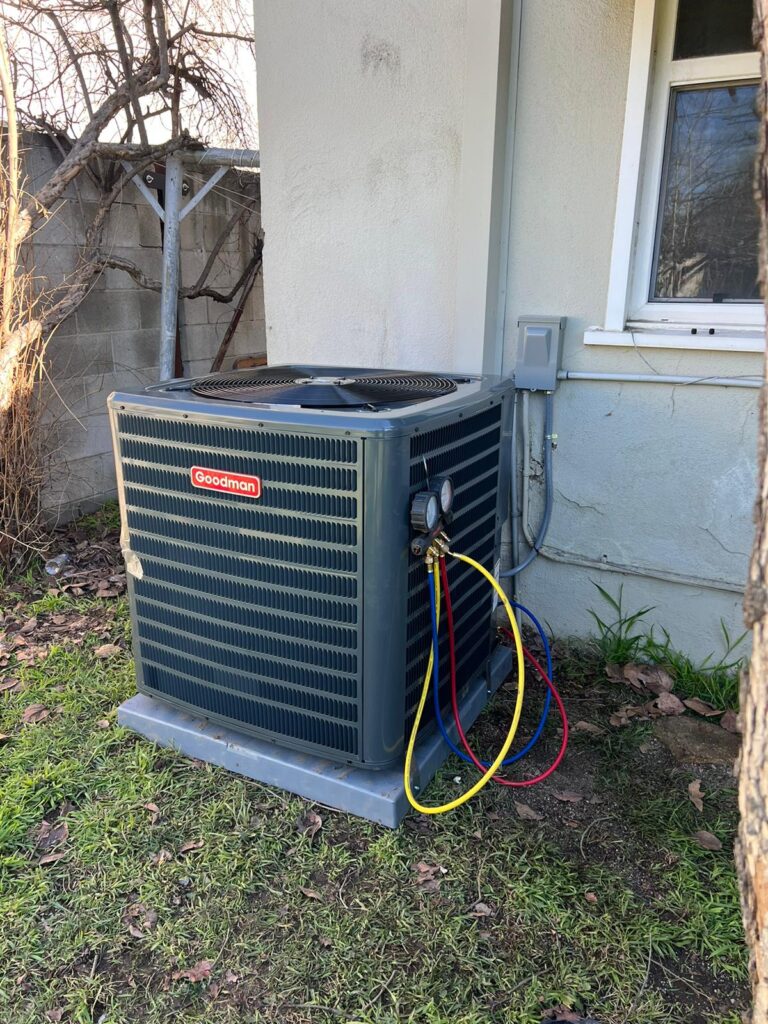
When your thermostat stops working properly, it’s not just annoying. Your energy bills in Los Angeles skyrocket, and your whole HVAC system has to work overtime. Most people don’t catch the problem until things get really bad. That’s where getting professional help actually changes things. Let me walk you through why it matters. Accuracy Matters More Than People Think Here’s what happens when a thermostat drifts out of whack. It sends the wrong signals to your heating and cooling system. Your unit either runs way longer than it should or shuts off before the place gets comfortable. Either way, your home’s never at the right temperature, and you’re throwing money away on wasted energy. When you call in a trained technician for thermostat repair Los Angeles, they spot these problems fast. They check what’s going on, test the readings, make sure everything matches what’s actually happening in your rooms. Sounds simple, but this can cut your energy waste and bring your bills down in a way you’ll actually notice. Extending System Life Your HVAC system takes a beating when the thermostat’s broken. The compressor keeps running constantly. The furnace cycles on and off at weird times. All this stress makes parts wear out way faster than they should. Professional repair stops that cycle. When the thermostat works like it’s supposed to, your heating and cooling system runs exactly as designed. Components last longer. You get fewer breakdowns. That saves you thousands when you don’t have to replace the whole system early. Better Temperature Control A faulty thermostat leaves your home either too hot or too cold. Maybe your bedroom’s comfortable but your living room feels like an ice box. This kind of inconsistency messes with sleep and just makes home life frustrating. Professional technicians get your temperature management back on track. The system responds properly to what you set it to. Your rooms stay at the temperature you want them at, consistently. Catching Bigger Problems Early Your thermostat might be acting weird because something else is going wrong. Bad wiring, sensors that stopped working right, problems deeper in your system – any of these can make your thermostat go haywire first. When you get someone out there who knows what they’re looking at, they’ll find the real problem before it turns into an expensive mess. Catching stuff early means you don’t get hit with a breakdown when it’s 95 degrees outside or freezing cold. And you don’t end up with a repair bill that makes you want to cry. Peace of Mind Look, messing with your thermostat when you don’t know what you’re doing usually makes things worse. You try fixing it yourself, something else breaks, then you’re buying parts you didn’t need in the first place. Skip all that and call someone who does this for a living. They’ll show up, figure out what’s wrong, and actually fix it instead of slapping a band-aid on it. Done right the first time, no guessing games. Lower Energy Bills Everything we’ve talked about comes down to one thing: your monthly energy costs go down. A thermostat that actually works means your system runs the way it’s supposed to. No pointless cycles. No heat or AC running way too long. Just steady, controlled operation. Professional repair fixes problems that hit you in three ways: comfort, your wallet, and how long your HVAC system lasts. Universal Heating & Air gives you accurate diagnostics and fixes that stick. Calling in the experts protects your HVAC system and your bank account. Frequently Asked Questions (FAQs) 1. How do I know if my thermostat is not working properly?Common signs include uneven temperatures, frequent cycling, inaccurate readings, rising energy bills, or the HVAC system not responding to settings. 2. Can a faulty thermostat really increase my energy bills in Los Angeles?Yes. A malfunctioning thermostat can cause your system to run longer than necessary, leading to higher energy usage and increased utility costs. 3. Should I repair or replace my thermostat?If the thermostat is miscalibrated, has wiring issues, or sensor problems, repair is often enough. Replacement is recommended if it’s outdated or beyond repair.
How to Choose the Right HVAC System Installation in Los Angeles
So you need an HVAC system installation in Los Angeles. Here’s the thing: this isn’t a decision you want to make on a whim. The system you end up with directly affects how comfortable your home feels, what you’re paying each month for energy, and how long your equipment actually lasts. Since LA gets pretty intense heat, you need a setup that’s genuinely built for what your home needs. Size Matters More Than You’d Think Most people don’t catch this until it’s too late, but getting the wrong size unit creates real headaches. An oversized system kicks on and off constantly, which wastes energy and burns through your equipment way faster than it should. On the flip side, a unit that’s too small works overtime just trying to keep up with the heat, and your energy bills skyrocket. A pro will look at your home’s square footage, how well it’s insulated, where your windows are, and the local climate to nail down exactly what you need. Energy Efficiency Saves Real Money LA summers aren’t playing around. An efficient system doesn’t have to work as hard during peak heat, which means your monthly bills stay reasonable. You’ll want to check the SEER ratings on anything you’re considering, since higher numbers mean the system’s actually efficient. Yeah, the upfront cost is steeper, but here’s what happens: that investment pays for itself over a few years through lower utility bills. Tons of homeowners see the difference pretty quickly. Installation Quality Determines Everything Here’s where things get critical. Even top-notch equipment won’t perform if the installation is sloppy. Proper setup means getting these things right: Refrigerant charge levels that match specs Ductwork is sealed tight, so nothing leaks Airflow is working the way it should Electrical connections installed safely Cutting corners on installation leads to constant breakdowns, worse performance, and repair bills that’ll make you wince. Skilled technicians stick to what the manufacturer says and follow local codes to get it done correctly from day one. Consider Your Home’s Layout Los Angeles has all kinds of homes, right? The older ones often have ductwork that’s seen better days or layouts that are anything but standard. Newer builds might need a totally different approach. The installation crew should walk through your space and suggest solutions that actually work for you, not just cookie-cutter recommendations that work for anybody. Maintenance Plans Keep Systems Running Once your system’s installed, you’ve got to keep up with it. Filters get dirty, refrigerant leaks happen, and parts wear out. Regular maintenance catches small problems before they turn into expensive nightmares. Think of it as keeping your AC from becoming a money pit down the road. Get Multiple Assessments Whatever you do, don’t just go with the first company that walks through your door. Different contractors assess homes in different ways and come up with varying solutions. Getting a few quotes helps you figure out what your home genuinely needs versus what someone’s just trying to sell you for profit. Final Words Picking the right HVAC system installation in Los Angeles means looking beyond just the price. What matters is finding the right size, checking those efficiency ratings, making sure installation’s done properly, and staying on top of maintenance. A system that’s chosen carefully and installed right keeps your home comfortable all year without emptying your bank account. Take the time to really understand what you’re looking at and work with people who care about your home’s needs more than making a quick sale. Frequently Asked Questions (FAQs) 1. How do I know what size HVAC system my Los Angeles home needs?A professional HVAC contractor performs a load calculation based on square footage, insulation, windows, layout, and LA’s climate to determine the correct system size. 2. What happens if my HVAC system is oversized or undersized?An oversized system wastes energy and wears out faster, while an undersized unit struggles to cool your home and increases energy bills. 3. What SEER rating is recommended for Los Angeles homes?Most Los Angeles homeowners benefit from systems with a SEER rating of 16 or higher for improved efficiency during long, hot summers.
How Residential AC Maintenance Helps Los Angeles Homes Stay Comfortable Longer
LA heat is relentless. Summer goes on forever, and even winters can surprise you with sudden hot days. When your AC quits working properly, comfort goes right out the window. Regular maintenance prevents this. Your system runs more efficiently, costs less to operate, and remains reliable when you need it most. Why Regular Checkups Matter Think of residential AC maintenance Los Angeles as prevention instead of emergency repair. Catch problems before they become disasters. Dust piles up inside your unit. Refrigerant levels drop over time. Filters get clogged. Small issues turn into expensive repair bills when nobody spots them early. A system that never gets serviced has to work way harder than it should. Burns through electricity. The compressor gets stressed. Parts fail faster. Maintenance keeps everything balanced and running at peak efficiency. What Breaks Down Without Care Air conditioning systems have tons of moving parts, electrical connections, and refrigerant lines. All of these naturally wear out over time. Filters collect dirt and debris. Airflow gets restricted. Coils get covered in grime or freeze up. Capacitors quit. Skip maintenance, and these problems pile up on each other. A well-maintained unit catches issues before they spiral: Filters get swapped out before completely blocking airflow Coils stay clean and work efficiently Electrical connections stay tight and safe Refrigerant stays at the correct levels Compressors don’t burn out from overwork Comfort That Lasts Longer Los Angeles homes need cooling systems you can count on. People want consistent temps. Pets need cool spots to rest. Computers and electronics run better in comfortable rooms. A maintained AC system gives you steady cooling without frustrating breakdowns or wild temperature swings. Regular service also means you won’t get stuck calling for emergency repairs on those brutally hot days. Nobody wants to sweat it out waiting for a technician when it’s 95 degrees inside your house. Energy Bills Drop An efficient system uses way less electricity. Clean filters, working coils, correct refrigerant levels – the unit doesn’t have to run constantly or work so hard. Lower energy use means lower monthly bills. Over a full year, those savings add up. Peace of Mind Something nice about knowing your system gets regular attention. You don’t worry that something’s about to fail. You don’t panic about hefty repair costs during summer when techs are slammed. A maintained unit runs reliably and does what you expect it to do. Final Words Los Angeles homes deserve cooling systems that actually work when you need them. Keeping up with maintenance keeps your unit running smoothly, saves you money on energy, and stops expensive breakdowns before they happen. Take care of your AC now, you’ll stay comfortable for years to come. Frequently Asked Questions (FAQs) 1. How often should residential AC maintenance be done in Los Angeles?Most homes in Los Angeles should schedule AC maintenance at least once a year, ideally before summer begins, to handle heavy cooling demand. 2. What does professional AC maintenance include?AC maintenance typically includes filter replacement, coil cleaning, refrigerant level checks, electrical inspection, airflow testing, and overall system performance evaluation. 3. Can regular AC maintenance really prevent breakdowns?Yes. Routine maintenance catches small issues early, preventing major failures and emergency repairs during extreme heat.
Why Professional Home AC Installation Is a Must for Los Angeles Homes
The Los Angeles heat is no joke. Summer temperatures spike fast, and once your AC system goes down, your whole house turns into an oven. A lot of homeowners think they can tackle the installation themselves or just go with whoever quotes the lowest price. That’s usually when things fall apart. Getting your air conditioning system installed right actually matters way more than people think. When an installation goes wrong, you’re stuck dealing with crazy high energy bills, constant repairs, and a unit that gives up the ghost way too soon. The consequences are real and expensive. Why DIY Installation Backfires Installing an AC system isn’t the same as hanging a picture on your wall. You need actual knowledge about handling refrigerant, connecting electrical wiring safely, and sizing ductwork correctly. Even one mistake during installation and your whole system runs poorly from the very beginning. Skip professional help, and here’s what usually happens. The refrigerant starts leaking. Your cooling power drops. Air doesn’t move evenly through rooms. Some get cold, others stay hot. Electrical connections go bad. Safety hazards show up. Your manufacturer’s warranty? Void. The system works overtime trying to compensate, which sends your energy costs through the roof. What Professional Installation Includes Licensed technicians show up with the right tools, proper training, and years doing this work. They check your home’s layout. They figure out what size unit actually matches your space. They install everything exactly how the manufacturer says it should be done. This goes beyond just putting equipment in your house. It’s about making sure the system runs exactly how it should. Professional installers sweat the small stuff. They verify electrical connections work correctly, check refrigerant levels, seal up your ductwork properly, and confirm airflow is moving as it should. Sure, it takes time, but this attention to detail stops expensive headaches from popping up down the road. The Long-Term Cost Advantage Yeah, professional Home AC Installation in Los Angeles costs more when you’re writing that first check. But think about what happens over the next 10 to 15 years. A properly installed system runs smoothly, burns less energy, and actually lasts longer. Your monthly utility bills stay reasonable instead of jumping through the roof. You won’t be calling repair people every other month. Spending more money now on quality installation saves you thousands in wasted energy bills and repair costs over the life of your system. Your Home Deserves Better LA summers aren’t forgiving, and your AC system needs to actually work when you need it. Your family should get reliable cooling without constant stress or unexpected breakdowns. Professional installation guarantees your system delivers that comfort right when it matters most. Trying to save money on installation is penny-wise, pound-foolish. Whatever you save upfront gets swallowed up pretty quickly once problems start showing up. Doing the job right from the start protects what you’ve invested and keeps your home feeling comfortable all year. Final Words Getting your air conditioning installed properly protects both your money and your comfort. Professional technicians have the knowledge and equipment to do this job the right way. Your home and your family are absolutely worth that investment. Frequently Asked Questions (FAQs) 1. Why is professional AC installation important in Los Angeles?Professional installation ensures your AC system handles LA’s extreme heat efficiently, prevents costly errors, and delivers reliable long-term performance. 2. What can go wrong with DIY AC installation?DIY installation often leads to refrigerant leaks, poor airflow, electrical issues, higher energy bills, safety risks, and voided manufacturer warranties. 3. Does improper AC installation increase energy costs?Yes. Incorrect installation forces your system to work harder, resulting in higher electricity usage and inflated monthly utility bills.
How to Choose the Best Home AC Repair Los Angeles Technician
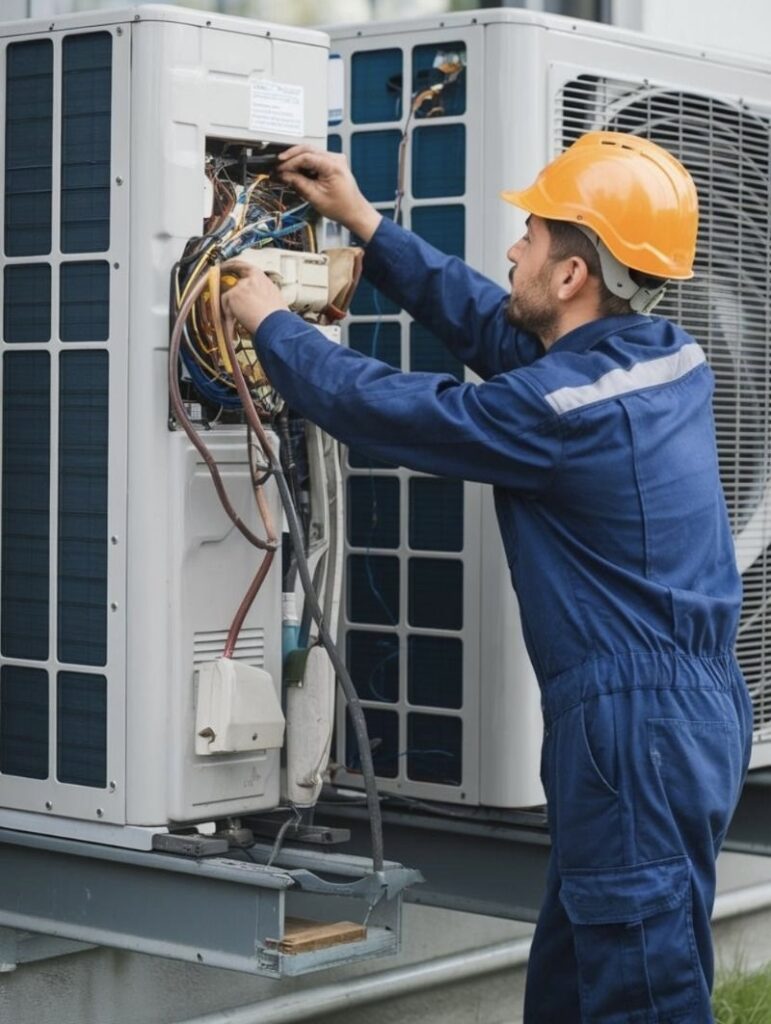
Your AC breaks down on the hottest day of the year, and suddenly you’re sweating bullets. You need someone who actually knows their stuff, not just the first person who picks up the phone. Finding the right home AC repair Los Angeles technician takes a little homework. Check Their Credentials and Experience Ask how long they’ve been doing this work experience matters. Someone who’s handled thousands of repairs knows what solutions actually work. Make sure they’re licensed and insured, too. A licensed tech has real training and follows safety standards. Insurance means you’re covered if something goes wrong during the repair. Look at Their Reputation What are people actually saying about them online? Don’t just glance at star ratings. Read the real comments. Did they show up when they said they would? Were they straight about costs? Did the fix last, or did the customer call them back a month later? Those details tell you how they run their business. Get Clear Pricing Upfront Surprise bills are nobody’s idea of fun. A good technician lays out the costs before they start work. They should cover: The service call charge Repair costs Time estimate Any warranty on their work Also, ask if their rates change for emergency calls versus regular hours. Lots of techs charge more for nights and weekends. Just know what you’re getting into before they start. Ask About Their Process Do they actually diagnose what’s broken, or do they jump straight into repairs? Good technicians run diagnostic tests first. They won’t just swap parts and hope for the best. They’ll explain the problem in normal language, not confusing technical jargon that leaves you in the dark. Verify They Know Your System Not all AC units are the same. You might have an older model or something new with smart features. Does this technician have experience with your specific system? They should ask about your unit before quoting a price. That shows they care about doing it right. Trust Your Gut Once you’ve talked to a few different techs, go with your instinct. Are they answering your questions fully? Do they seem patient or rushed? Do they feel confident without being pushy? You want someone dependable who respects your home and your time. Choose Experience and Honesty Picking a home AC repair Los Angeles technician doesn’t need to stress you out. Focus on experience, what past customers say, straightforward pricing, and honest communication. A good technician saves you money over time and keeps your system working when LA temperatures climb. Frequently Asked Questions 1. How do I know if I need professional home AC repair in Los Angeles?If your AC is blowing warm air, making unusual noises, leaking water, cycling frequently, or causing high energy bills, it’s time to call a professional home AC repair technician in Los Angeles. 2. How much does home AC repair cost in Los Angeles?Home AC repair costs in Los Angeles typically range from $100 to $600, depending on the issue, parts needed, and labor. Emergency or after-hours repairs may cost more. 3. Is it better to repair or replace my home AC unit?If your AC is over 10–15 years old, needs frequent repairs, or uses outdated refrigerant, replacement may be more cost-effective. A licensed AC repair technician can help you decide.
How a Professional AC Installation Service Can Improve Home Comfort in Los Angeles
Getting your air conditioning system installed the right way actually matters way more than people realize. Los Angeles heat is no joke, and when an AC unit isn’t set up properly, you’re looking at wasted money and rooms that just stay uncomfortable no matter what. A professional AC installation service creates the whole foundation for years of cooling that actually works. Why Installation Quality Shapes Everything Here’s what happens when technicians rush the job. Refrigerant levels end up wrong. Ductwork gets installed unevenly. The compressor has to work way harder than it should. Fast forward a few months, and your energy bills go through the roof. Please give it a year, and the system starts breaking down. When professionals do the work right, your system runs at full strength from day one. The unit cools every room evenly. Air moves the way it’s supposed to. Humidity drops to levels that actually feel good. Your whole house feels better, and the AC isn’t burning itself out just trying to do basic cooling. What Proper Installation Actually Includes Real installation work goes way beyond just mounting a unit on your wall. Technicians need to handle a bunch of important stuff: Get the system size right for your home’s square footage and how it’s laid out Place the indoor and outdoor units where air can flow properly Seal up ductwork so cold air doesn’t leak out before it reaches your rooms Get refrigerant charged to the exact right amount Check electrical connections and make sure safety controls work Run tests to confirm everything’s running smoothly before they leave Skip any of these and you’re asking for trouble later. An undersized unit won’t keep up with the heat. An oversized one clicks on and off constantly, which burns through parts faster. Leaky ducts mean all that cold air you’re paying for just escapes into your walls. The Comfort and Cost Connection When Commercial AC installation in Los Angeles is done right, your system cools faster and more evenly throughout the house. Your bedroom stays cool at night. Your living room feels comfortable during the day. No weird hot spots or drafty corners. The system hits your set temperature without straining itself, which cuts down energy use and keeps your monthly bills lower. The numbers really add up over time. A properly installed AC can run strong for 15 to 20 years with basic upkeep. A poorly installed one might give out in half that time, forcing you into an expensive replacement way sooner than you’d planned. Getting It Right From the Start Who you hire makes all the difference. Good technicians know LA homes. The climate here. Building codes. What works in your neighborhood versus what doesn’t. They look at your space and recommend systems that actually fit instead of pushing whatever makes them the most commission. Professional installation means you’ve got backup if something goes sideways. Reputable companies warrant their work. Parts and labor both. Something breaks? They handle it without trying to bill you again. Final Words Your LA home stays comfortable when you make the right call upfront. Professional installation keeps rooms cool, bills reasonable, and your system running longer. Cut corners now, and you’ll pay for it later with repairs that cost double what proper installation would’ve run you. Good setup work pays you back through the years of cooling that works. Frequently Asked Questions 1. Why is professional AC installation important in Los Angeles?Los Angeles heat puts constant strain on AC systems. Professional AC installation ensures correct sizing, airflow, refrigerant levels, and efficiency, helping your system cool properly and last longer. 2. What happens if an AC system is installed incorrectly?Poor installation can cause uneven cooling, high energy bills, frequent breakdowns, reduced system lifespan, and rooms that never reach the desired temperature. 3. How do I know what size AC system my property needs?A licensed technician performs a load calculation based on square footage, insulation, layout, and sun exposure. Oversized or undersized systems lead to performance and efficiency issues. 4. Does proper AC installation reduce energy bills?Yes. A correctly installed AC system runs efficiently, reaches set temperatures faster, and reduces energy waste, leading to lower monthly utility bills.
How Residential HVAC Services Keep Los Angeles Homes Comfortable Year-Round
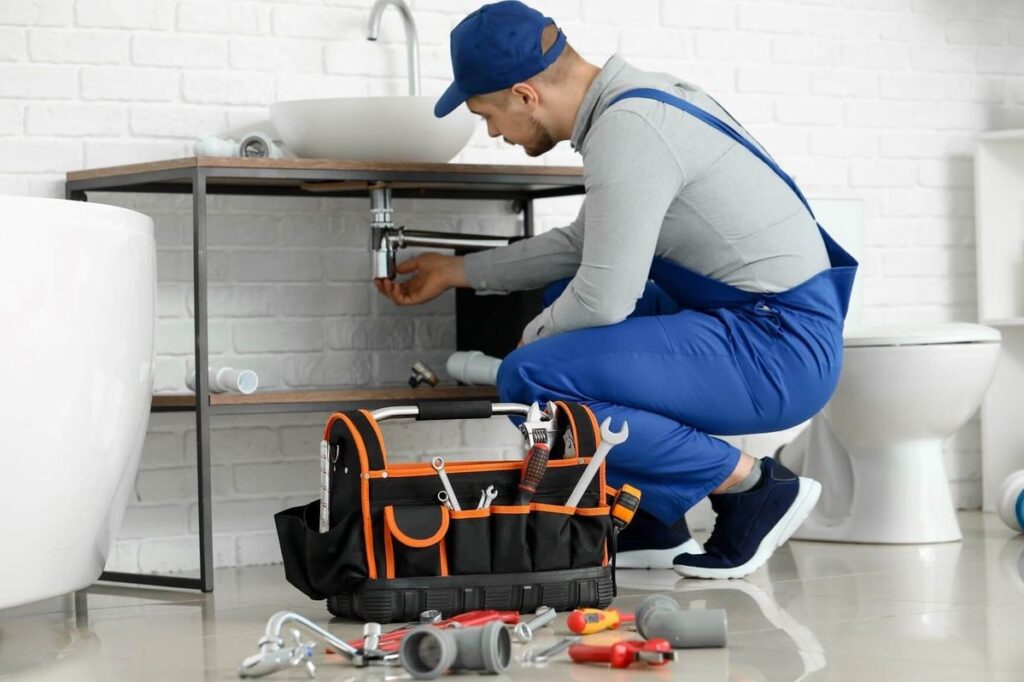
LA weather can be all over the place. You’re dealing with brutal summers and then winters that barely feel like winters at all. This means your home really needs solid climate control pretty much year-round. That’s where residential HVAC services in Los Angeles come in handy. Getting your home to the right temperature isn’t just nice to have; it actually impacts your energy bills, the air you’re breathing indoors, and how long your equipment sticks around. What HVAC Systems Do for LA Homes Here’s the basic breakdown: an HVAC system handles three things heating, cooling, and ventilation. When summer rolls around, your AC unit runs constantly to bring those temperatures down. Winter’s gentler on the system, but you still need heat on those cooler nights. And that ventilation piece? It keeps air circulating and fresh inside your home, which is way more important than most people think. Most homes around Los Angeles use either central air systems or heat pumps. These pull warm or cold air through ducts and send it into each room as needed. When everything’s running smoothly, you barely notice the system exists. But the second something breaks, that discomfort hits you hard and fast. Regular Maintenance Keeps Things Running Skip maintenance and your equipment will eventually let you down. Filters get clogged. Coils freeze up. Refrigerant starts leaking. What starts as a small issue turns into a pricey repair if you don’t catch it early on. Here’s what routine maintenance actually covers: Swapping out or cleaning air filters every couple of months Checking refrigerant levels and refilling when necessary Looking over ductwork for leaks or damage Testing your thermostat to make sure it’s accurate Getting rid of debris around outdoor units These simple steps prevent most of the common problems you’d run into. Plus, they can add years to how long your equipment lasts. Repairs Keep Systems From Failing Even systems that get regular care sometimes need fixing. A compressor might give out. A fan motor could burn up. Ductwork might spring a leak. When any of these happen, your system either stops working completely or runs at half speed, which wastes energy and money. The speed of repairs matters here. A system that’s only running at partial capacity burns through energy and your wallet. Good technicians figure out what’s wrong quickly, grab the parts they need, and get things back up and running fast. Installation Matters for New Homes Putting in new equipment or building something from scratch requires getting the sizing and installation right. Go too small and the unit won’t cool your space properly. Go too big, and it’ll turn on and off constantly, burning energy for nothing. Installing it correctly means the system works like it’s supposed to and reaches its full lifespan potential. Energy Efficiency Saves Money New HVAC equipment is way more efficient than the older stuff. If you’re swapping out something that’s 15 years old for a modern unit, you could cut your cooling costs down by 20 to 30 percent. In Los Angeles, where your AC basically runs all summer long, those savings really stack up. Staying on top of air conditioning service and maintenance also keeps your system running at peak efficiency. A clogged filter forces the whole system to work harder and burn through more electricity. Final Words Los Angeles homes need HVAC systems that actually work reliably when you’ve got those scorching summers and mild winters. Keep up with regular maintenance, and you’ll avoid most breakdowns. Get repairs done quickly, and you’ll keep costs down. Install things right and upgrade when you need to, and your energy bills will thank you. Staying on top of these basics means you’ll have a comfortable home and lower utility bills rolling forward year after year. Frequently Asked Questions About Residential HVAC Services 1. How often should HVAC maintenance be scheduled in Los Angeles? HVAC systems should be serviced once a year, ideally before summer. Homes with heavy AC use or older systems may benefit from twice-yearly maintenance. 2. Why is HVAC maintenance important in Los Angeles? Long, hot summers put constant strain on HVAC systems. Regular maintenance helps prevent breakdowns, improves efficiency, and lowers energy bills. 3. What HVAC systems are commonly used in Los Angeles homes? Most LA homes use central air systems or heat pumps, as they provide efficient cooling and reliable heating for mild winters. 4. What are the signs my HVAC system needs repair? Weak airflow, unusual noises, warm air from vents, uneven temperatures, or rising utility bills often indicate a repair is needed. 5. Can a new HVAC system reduce energy costs? Yes. Upgrading from an older system can lower cooling costs by 20–30%, especially during Los Angeles’ long summer season.
Why Universal Heating & Air Is the Local Favorite for Heating Services
Searching “heating companies near me” usually means you need help now. Your furnace quit on a cold night. Your heat pump isn’t keeping up. Something’s wrong, and you want fast, trustworthy solutions from people who know the Los Angeles area. Universal Heating & Air has become a go-to option for heating services across LA neighborhoods. Here’s why so many homeowners keep calling them back. Local Heating Expertise You Can Rely On Universal’s technicians handle furnaces, heat pumps, and various heating systems common to Los Angeles homes. They’ve seen every configuration, every brand, every weird setup builders installed in older neighborhoods. Experience shows when diagnosing problems quickly. LA heating needs differ from cold climates. Occasional chilly nights don’t require massive furnaces designed for Minnesota winters. Local techs know what really works in our climate versus just following some generic manual. Gas furnaces, electric heat pumps, dual fuel setups. Each one behaves differently in our specific weather and with our local building codes. Techs who work here regularly know which solutions perform well and which ones cause headaches down the road. Why Quality Work Actually Matters Accurate diagnostics prevent wasted money. Your heating quit? You need someone finding the actual problem instead of randomly replacing parts hoping something fixes it. Good techs target root causes. Safety stuff like gas leaks, carbon monoxide, electrical hazards need pros handling them. Universal’s techs inspect safety components every single visit, not just when there’s an obvious issue. Routine maintenance finds small problems before they turn into expensive breakdowns. Stops those awful middle-of-the-night calls when you’re freezing and desperate. Systems that get regular care outlast ignored equipment by several years. Working with a Neighborhood Outfit Communication matters from your first phone call. You shouldn’t have to be a tech expert to understand what’s broken or how much repairs run. Universal talks in normal language and gives you prices upfront before touching anything. Techs show up with shoe covers, set up protected work areas, and clean everything thoroughly when done. Small stuff matters because nobody wants a mess left behind after repairs. Look at local reviews from real customers. Patterns show up when you read through hundreds of ratings about response times, honest pricing, quality work. That reputation gets built slowly through years of reliable service. Schedule Heating Service with Universal Heating & Air Need heating work? Contact Universal for checkups or tune-ups. They handle LA communities with quick, professional service. Book before peak season hits and demand explodes. Fall tune-ups catch problems before first cold snap arrives. Nobody wants discovering broken heat that first freezing night when every HVAC shop’s buried in emergencies. Universal’s techs find real problems, explain choices straight, finish work properly. Emergency breakdowns or preventive care extending equipment life local pros understanding LA homes. Frequently Asked Questions 1. How fast can a heating company respond in Los Angeles? Most reliable heating companies in Los Angeles offer same-day or next-day service, especially during cold snaps. Local companies prioritize nearby neighborhoods, which often means faster response times than large national chains. 2. When is the best time to schedule heating service in Los Angeles? Fall is ideal for heating tune-ups and inspections. Scheduling before peak season helps avoid delays when cold weather hits and demand spikes across the city. 3. Why choose a local heating company instead of a big chain? Local heating companies understand Los Angeles climate conditions, building styles, and common system issues. That local knowledge leads to faster diagnosis, more accurate repairs, and fewer repeat problems.
What Makes an AC Repair Company in Los Angeles Truly Reliable?
Dependable AC service isn’t optional in Los Angeles. Your system quits during a heat wave? You need fast help that’s done right. Finding an AC Repair Company Los Angeles that’s both fast and good protects your comfort and saves you money. Bad service? You get repeated breakdowns, wasted time, and misery during the hottest weeks. So what separates reliable AC companies from the ones that leave you miserable? Licensing, Insurance, Training Licensed HVAC techs understand modern systems, safety requirements, and local codes. California requires valid licenses that ensure minimum competency and give you legal protection if problems pop up. Check contractor licenses through the state board online. Takes two minutes. Training matters as much as licensing does. AC technology changes constantly. New refrigerants come out. Efficiency standards get updated. Smart controls keep evolving. Techs need to keep learning, or they fall behind. Ask about their training and certifications when you call. Insurance protects everyone. General liability covers property damage. Workers’ comp means you’re not liable if someone gets hurt on your property. Ask for proof and verify it yourself. Honest Pricing, Straight Talk Get a clear estimate before any work happens. No surprise bills showing up later. Good companies tell you exactly what parts cost, what labor runs, and what extras might come up. Your tech needs to explain problems without the jargon, show you what broke if they can, and walk through your choices. Sometimes repairs make sense. Sometimes replacement’s smarter long-term. Honest shops recommend what you actually need, not whatever pays them the biggest commission. Watch for pressure tactics. Legitimate companies don’t manufacture fake urgency or push unnecessary work. They give you information and let you decide. Response Time, Reliable Scheduling Fast response during heat waves and peak summer makes all the difference. AC failures happen at the worst possible moments. Reliable companies prioritize emergencies and get techs out fast when you’re suffering. Specific arrival windows matter almost as much as speed. Sitting home all day waiting for a vague “8 to 5” window wastes your time. Professional companies provide narrow windows and actually call if they’re running late. Follow-up shows what they care about fixing your problem versus just checking off service calls. Issue still happening? They come back without charging you twice. Local Reputation Online reviews show patterns worth paying attention to. One complaint? Could be an unreasonable customer. Dozens saying the same thing? That’s a red flag. Check Google and Yelp where customers post honest reactions. Your neighbors’ experiences carry real weight. They deal with similar climate conditions and AC problems. Consistent satisfaction from local homeowners means something concrete. Positive feedback across multiple platforms shows reliable work and genuine customer focus. Companies that disappoint customers regularly don’t keep strong reputations for long. Why Many Homeowners Choose Universal Heating & Air Universal Heating & Air serves Los Angeles neighborhoods as a local HVAC company. They know the climate here, what commonly fails in local systems, and what actually helps homeowners stay cool. Reach out to Universal for repairs, maintenance, or system evaluations. Their techs diagnose issues properly and explain your choices clearly. Emergency fix or regular maintenance to avoid future headaches, either way, you’re working with people who actually want to solve your problem. Frequently Asked Questions About AC Repair in Los Angeles 1. Is it better to repair or replace an old air conditioner? If your AC system is over 10–15 years old, breaks down frequently, or struggles to cool your home efficiently, replacement may be more cost-effective long-term. A trustworthy HVAC technician will explain both options without pressure. 2. How long does a typical AC repair take? Most standard AC repairs take 1–3 hours, depending on the issue. Complex electrical or refrigerant problems may take longer, but a reliable technician will explain the timeline upfront. 3. Why does my AC keep breaking down every summer? Repeated breakdowns usually point to poor maintenance, aging equipment, or incorrect past repairs. Scheduling routine inspections and tune-ups helps catch small problems before they become major failures.
Maximizing Energy Savings with Commercial Heating Installation Los Angeles
Running a business in LA means watching every dollar. Your heating system? It’s either working for you or draining your wallet every month. The difference between an old unit and a new one can be shocking when you see that utility bill finally drop. Why Modern Heating Systems Actually Save Money Newer commercial heating units don’t just run cooler they run smarter. They waste way less energy getting the job done, which means lower bills month after month. Here’s the real bonus: temperature consistency. Old systems struggle to keep things evenly warm, so they work harder and break down faster. A newer setup keeps everything balanced, cuts down on strain, and keeps you out of those emergency repair situations that cost thousands. When you upgrade to a modern system, you’re not just replacing old equipment. You’re investing in something that actually knows how to do more with less. That’s where the money savings really kick in. What Professional Installation Really Does This is where most people mess up. A commercial heating installation is only as good as the person putting it in. Sloppy setup creates airflow problems, cold spots, and inefficient operation that eats away at all those savings you’re counting on. Professional installation gets it right from day one, i.e., optimal performance, longer lifespan, no surprises down the road. Think of it like this: you can buy the best heating system in the world, but if it’s installed wrong, it won’t perform. It’s the difference between a system that works and one that actually pays for itself over time. The Real Impact on Your Operations Lower energy use means lower operational costs. Pretty straightforward, right? But there’s actually more happening behind the scenes. A reliable, efficient heating system keeps your workspace comfortable all year long. Employees perform better in comfortable environments. Clients notice it. Productivity goes up. Turnover goes down. The benefits add up way beyond just that lower utility bill you’ll see. Money-Back Opportunities You Might Miss New heating installations often qualify for rebates and incentive programs through local utilities and government agencies in LA. These programs exist specifically to help businesses like yours upgrade to better systems. They cut your upfront costs and get you to your return on investment faster. It’s essentially free money just sitting there. Most businesses don’t even know these opportunities exist. Keeping Your System Running Strong Here’s what most people get wrong about maintenance: they wait until something breaks. That’s when costs skyrocket. What we recommend instead is staying ahead of problems. Get your system looked at twice a year. A technician can spot wear and tear that’ll turn into bigger headaches if you ignore it. Plus, a clean, well-maintained system just runs better. You’ll get more years out of it, keep those utility bills down, and avoid those 2 AM emergency calls when your heating fails in the middle of winter. Finding Someone You Can Trust When you’re looking for a commercial heating installation in Los Angeles, don’t just go with whoever quotes the lowest price. You want someone who knows what they’re doing, has a reputation you can count on, and actually cares about doing the job right. Because here’s the thing a bad installation wastes money. A good one pays for itself. Make sure whoever you hire has the experience and the commitment to get your system working exactly the way it should. Final Words Your heating system is working against you or for you. There’s no middle ground. The right setup, installed right, and maintained properly saves real money. That’s not a promise. That’s just how it works.
Commercial Thermostat Placement Tips for Los Angeles Businesses
Where you put your thermostat can make or break your comfort situation and your wallet in los angles. Most business owners don’t think much about it. They just stick it on a wall somewhere and move on. Big mistake. Why Proper Thermostat Placement Matters in Commercial Spaces Your thermostat basically reads the temperature and tells your HVAC system what to do. Put it in a bad spot, and it gets false readings. Those bad readings mean your system works overtime, kicks on and off constantly, and suddenly your energy bills are through the roof. And it’s not just about money. When some rooms feel like a walk-in freezer and others feel like a sauna, people notice. Your staff gets frustrated, customers get annoyed, and productivity tanks. Key Factors to Consider for Commercial Thermostat Placement Avoid Common Mistakes in Placement There are some spots you absolutely shouldn’t use: right by windows or in direct sunlight (it’ll think it’s hotter than it actually is), near radiators, heaters, or any heat source, by exterior doors where air constantly rushes in, close to air vents or supply registers where the airflow messes things up, and in busy hallways where people are constantly walking by. Identify High-Use Zones Think about where your people actually spend their time. A central hallway, main office, or common area is way better than some back storage room nobody uses. Your commercial thermostat placement should sit somewhere that actually represents what your team feels day-to-day, not some random spot. Specific Challenges for Los Angeles Properties Southern California throws a lot at your HVAC system. Expect scorching afternoons, cooler nights, and buildings where temperatures vary wildly between floors. On top of that, California enforces strict commercial building codes that your setup needs to meet. If you’ve got a multi-story building, upper floors get hotter naturally while lower floors stay cooler. Your setup needs to deal with that reality instead of fighting it. Optimizing Comfort and Efficiency Through Smart Choices New thermostats are pretty slick these days. You can set schedules, control things from your phone, and some work with zoning systems that help manage temperature differences throughout your building. A clear display also helps your staff understand what’s going on and when the system activates. When to Consider Professional Commercial Thermostat Replacement Los Angeles If your thermostat keeps giving you weird readings, your system’s constantly cycling, or you’re just done with high bills, it might be time to upgrade. Newer models use less energy and actually meet current rules and regulations. Working with licensed HVAC professionals for your installation guarantees proper setup and calibration. They know how to position everything correctly and do proper Commercial Thermostat Replacement Los Angeles while meeting all commercial building standards. Partnering With Local Experts for Lasting Results Universal HVAC Los Angeles works with commercial properties all over the city. The team actually understands the local climate patterns, what the building codes require, and what actually works in your space. They handle everything: installation, maintenance, keeping your system running smooth. Final Words Getting your thermostat placement right isn’t rocket science, but it really does matter. Do it well and your building stays comfortable while you save money on energy. Get it wrong and you’re basically throwing cash away. Having local experts in your corner makes all the difference.
Simple AC DIY Fixes Before Emergency Air Conditioner Repair Los Angeles
Your Emergency Air Conditioner Repair Los Angeles dies on the hottest day of the year in Los Angles. Your heart sinks. Before you panic and call someone, hold up. Some fixes literally take minutes and won’t cost you a penny. Let’s start there. The Basics First: Is Everything Actually On? We know, it sounds silly, but here’s the thing most AC problems aren’t actually problems. They’re just switches flipped the wrong way. Check with the following steps, initially: 1. Thermostat Check Make sure your thermostat’s set to “cool” mode, not heat or fan. Double-check that temperature setting too—sometimes it gets bumped up without you noticing. And if your thermostat runs on batteries? Dead ones might be your whole problem. Swap ’em out. Seriously, this fixes way more calls than people realize. 2. Circuit Breaker Walk over to your electrical panel and find the breaker labeled for your AC. Did it trip? Flip it all the way off, then back on. But if it trips again right away, stop there. That’s your sign to call a pro. 3. Outdoor Unit Power Switch Your condenser unit outside might have its own disconnect switch sitting nearby. Make sure it’s flipped to “on.” Worth double-checking since it’s easy to miss. Airflow Problems: The Real Culprit Here’s what kills your AC faster than anything else when air can’t flow through your system, cooling just stops. 1. Air Filter Status Pull out your filter and actually look at it. See all that dust and grime? Time for a new one. Most filters need swapping every 1-3 months depending on how much you use your system. This one step alone fixes more cooling headaches than you’d believe. 2. Vents and Returns Walk through your home and check your supply vents. Are they blocked by furniture or covered by curtains? Your return air grilles need room to breathe too. Clear out anything blocking them. When airflow gets blocked, your system works overtime and cools way slower. Drain Line Troubles: Water Leaks Noticing water pooling near your indoor unit? A clogged condensate drain is probably sitting around the corner waiting to cause more problems. 1. Drain Line Cleaning Find that PVC pipe connected to your indoor unit. Pour a cup of distilled vinegar down the drain opening to break up algae that’s built up. Check the drain pan underneath it too. Standing water needs to get out of there. Outdoor Unit Maintenance: Give It Room to Breathe Your condenser unit needs space and clean coils to do its job right. 1. Clear the Area Remove leaves along with grass clippings, and any debris piled around the unit. Keep at least two feet of clear space on every side. When airflow gets blocked, your system can’t release heat the way it’s supposed to. 2. Rinse the Coils Turn off power at the breaker first. This isn’t optional. Grab a regular garden hose—not a pressure washer—and gently rinse those coils. Dirt buildup kills your cooling efficiency fast. Time to Call It In You’ve tried everything and still no cool air coming through? Hearing weird noises or catching a burning smell? That’s when you need the professionals. Refrigerant leaks, compressor problems, and electrical issues need someone who knows what they’re doing. Universal Heating & Air handles Emergency Air Conditioner Repair Los Angeles and has the experience to get your system back up and running quickly without putting you at risk. Final Words Here’s what we want you to remember: most AC issues start out simple. Check your thermostat, replace your filters, clear those vents, and clean your outdoor unit. These steps fix the vast majority of cooling problems. But when DIY doesn’t work, you’ll know it’s time to bring in someone who actually knows their stuff.
Upgrade Your Comfort: Thermostat Replacement for Older Los Angeles Homes
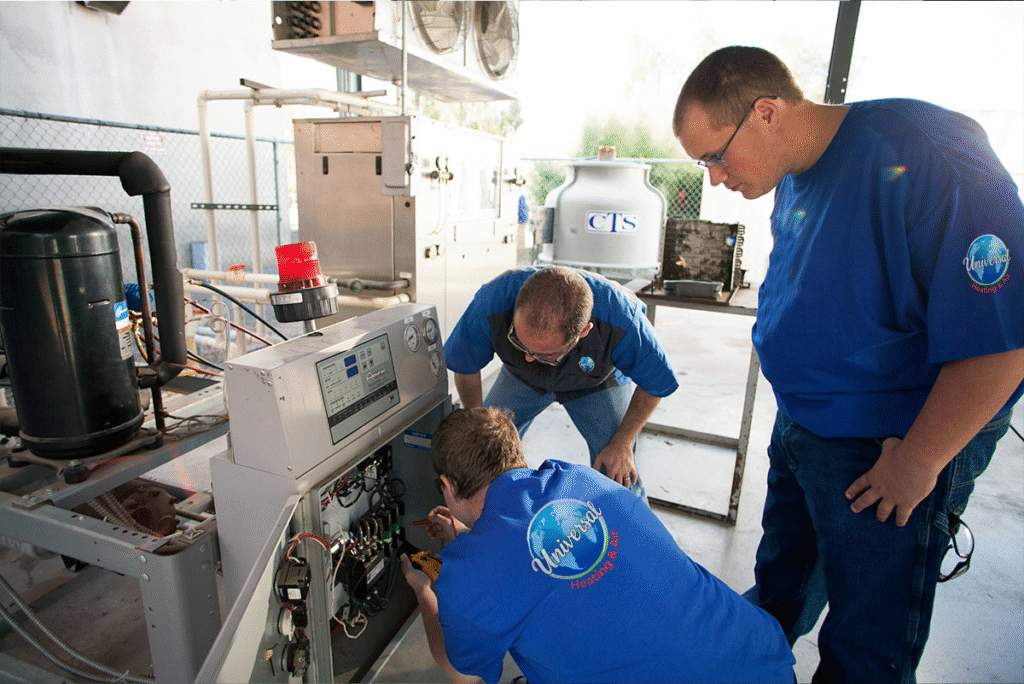
If your Los angles home has an old thermostat, it’s probably showing its age. We’re talking manual dials, basic digital displays, or systems that barely communicate with your HVAC unit. These things aren’t just annoying hey actually waste a ton of energy, jack up your bills, and leave you sweating in one room while freezing in another. A newer thermostat fixes all that. Why Older LA Homes Need an Upgrade Here’s what happens with older houses: they were built before anyone thought about modern climate control. Mix that with aging HVAC systems and thin insulation, and you’ve got a recipe for temperature chaos. Your AC runs overtime. Your heat kicks on at weird times. The end result? You’re uncomfortable and bleeding money every month. Ditching that ancient thermostat for something current solves this problem. You’ll get better temperature management, way less wasted energy, and actual say over your home’s climate. When you invest in thermostat replacement Los Angeles, you’re essentially giving your whole system a chance to work smarter. What Modern Thermostats Actually Do Programmable and smart thermostats are game-changers for cutting energy use. You set a schedule and forget it – lower temps when nobody’s home, then bump it back up before you get there. No more cooling or heating an empty house. For older LA homes with sketchy insulation, every degree you save shows up on your bill. But it’s not just about saving money. You also get comfort that actually works. No more wild temperature swings. Rooms stay consistently comfortable instead of feeling like a rollercoaster. Pick a Wi-Fi model and you can tweak settings from your phone at work, across town, wherever. Some newer models are pretty smart. They learn when you’re typically home and adjust on their own. Others connect to humidity sensors or zone systems, so you can keep different rooms at different temperatures if that’s your thing. Picking the Right Fit for Your Home Here’s where older wiring throws a wrench in things. Some systems need a C-wire to actually power the thermostat. Others get by without one. Programmable models usually work with most setups, but Wi-Fi enabled options have pickier requirements. That’s when you need someone who knows what they’re doing. Different thermostat types have their own perks: Programmable models let you set schedules on your terms Wi-Fi enabled options let you control things from anywhere Smart learning thermostats figure out your patterns and adjust automatically Getting It Done Right Installing a new thermostat in an older LA home isn’t really a DIY situation. Bad wiring causes real problems. Wrong calibration means your system wastes energy instead of saving it. Plus, older electrical setups can have safety concerns. Universal Heating & Air handles all the technical stuff properly. We’re talking correct wiring, system calibration, the whole nine yards. For older homes with their own quirks and challenges, hiring professionals means no headaches and a thermostat that actually does what it’s supposed to do. Final Words Swapping out an old thermostat for something modern completely changes how your older home feels and runs. You get better comfort, lower bills, and real control over your climate. Universal Heating & Air makes it simple and dependable.
LA Wildfire Smoke and Your AC Filter’s Lifespan
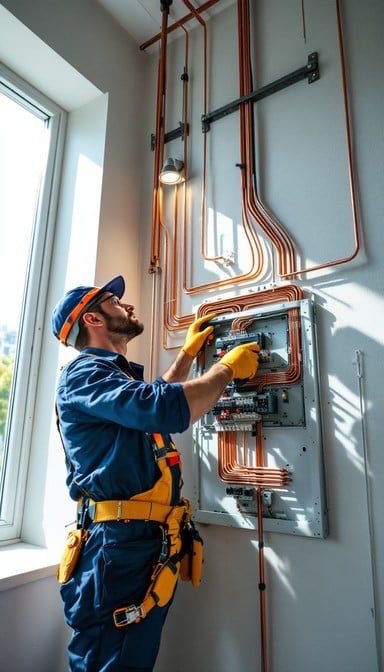
Wildfire season in Los Angeles is rough. Yeah, we all know about the smoky skies and hazy sunsets, but here’s what most people miss: all that ash and particles floating around? They’re getting pulled right into your home through your air conditioning system. Thing is, most folks have no idea how fast wildfire smoke actually damages AC filters or what that does to their cooling units. How Wildfire Smoke Clogs Your Filters So when smoke rolls into LA, tiny particles get sucked into your outdoor AC unit. These aren’t your typical household dust particles they’re way smaller and they stick to filters in a totally different way. Your standard filters? They’re built for everyday dust, not wildfire ash. They can’t handle it nearly as well. What happens next is pretty straightforward but problematic: your AC filter clogs up way faster than normal. We’re talking weeks instead of months. Here’s where it gets serious. When a filter’s blocked, your AC system has to work overtime. The compressor runs constantly. Your energy bills jump up. The whole system overheats from the extra strain. And eventually? Components start failing. Signs Your Filter Needs Attention During wildfire season, keep an eye out for these red flags: Weak airflow coming from your vents Strange noises coming from the outdoor unit Your AC is running all the time but still not cooling things down You can actually see ash around your indoor vents Your electric bill’s higher than it should be See any of these? Your filter needs replacement sooner than you’d normally expect. The longer you wait, the worse it gets—and you’ll end up damaging other parts of your system too. Replacement Frequency During Smoke Season Normally, you’re looking at changing your filter every three months. But during active wildfire periods? That timeline changes dramatically. You might need to swap it out every two to four weeks. It really depends on how much smoke is in the air and how often your AC is running. If you’re living in an area getting hit hard by smoke, you’ll want to check your filter more frequently. This is especially true if your AC is constantly running to keep up with the heat. Regular inspections are your best friend here. Catching problems early means you avoid those expensive repair bills later on. Protecting Your System There’s more you can do beyond just swapping out filters regularly: Keep your outdoor AC unit clear of debris and ash buildup Close windows and doors when smoke is really heavy outside Grab high-quality filters that are specifically rated for particle capture Get your system professionally checked before wildfire season even starts A good technician can look for smoke damage you might not spot yourself. They’ll check inside your ducts for ash buildup and make sure all your components aren’t being overworked or strained. When to Call for Help Here’s the thing: if your AC isn’t cooling properly even after you’ve put in a fresh filter, something else is going on. Smoke damage doesn’t always stop at the filter—it can affect internal components too. Sometimes the ducts need cleaning. Sometimes parts need repair or replacement. When problems stick around even after you’ve done the basics, it’s time to call in the pros. 24-Hour Air Conditioner Repair Los Angeles services are available around the clock during peak wildfire season. Technicians can handle emergency repairs and routine maintenance whenever you need them. Final Words Bottom line: wildfire smoke speeds up how fast your filters wear out and puts real stress on your AC system. Staying on top of your filter replacements is what keeps your cooling unit from getting damaged. Regular check-ins during smoke season help you spot issues before they turn into expensive problems. Keep those filters clean and your system maintained, and you’ll have reliable cooling even when the air outside is terrible.
Get Your Thermostat Ready for Santa Ana Winds
Santa Ana winds hit Los Angeles hard every year, and they’re no joke. Temperatures swing all over the place, and your home’s cooling system gets absolutely hammered. Your thermostat? That’s basically the brain running the whole show. When these winds roll through, you need your thermostat working perfectly. Why Santa Ana Winds Matter for Your System Here’s the thing these winds bring intense heat and bone-dry conditions. Your air conditioning’s running nonstop trying to keep up. Your thermostat’s basically working overtime to maintain some kind of stable indoor temperature. If it’s not working right, your energy bills go through the roof. Even worse, your home stays hot and uncomfortable when you need relief the most. When your thermostat starts acting up, it can’t read temperatures accurately anymore. Maybe it tells your AC to kick on when it shouldn’t, or it stops cooling when things get too warm inside. Either way, you’re dealing with problems that could’ve been totally preventable. Signs Your Thermostat Needs Attention Before Santa Ana season hits hard, keep an eye out for these warning signs: The temperature inside doesn’t match what your thermostat’s showing Your system keeps turning on and off randomly throughout the day You’re noticing some rooms cool down fine while others stay hot The display looks faded, dim, or won’t respond when you adjust it Your energy bill jumped up without any real reason See any of these? Your thermostat probably needs some attention. Catching issues early saves both money and headaches down the road. Getting Thermostat Repair Los Angeles Services Ready Don’t put this off until the heat becomes unbearable. Thermostat Repair Los Angeles Go ahead and schedule maintenance now while you’ve got time. A professional can check whether your thermostat’s actually reading temperatures correctly. They’ll test all the connections and make sure everything’s calibrated properly. Technicians will clean dust and debris buildup from your sensors too. Over time, this stuff piles up and messes with accuracy. They’ll verify your system responds to temperature changes the way it’s supposed to. This prep work really makes a difference when extreme weather shows up. What to Expect During an Inspection A technician will look over your thermostat’s display and buttons carefully. They’ll check battery levels if yours runs on batteries. The wiring gets inspected for any loose connections or corrosion problems. They’ll run tests to make sure your thermostat’s actually talking to your AC unit like it should be. If upgrades could help, professionals will walk you through your options. Newer models give you better accuracy and can help cut energy costs. Some even let you control temperatures from your phone. That kind of flexibility comes in handy during Santa Ana winds when things change super fast. Final Words Santa Ana winds really test every part of your cooling system. Your thermostat sits right in the middle of that whole setup. Getting it serviced before the season kicks off keeps your home comfortable and your bills from going crazy. Reach out and schedule an inspection today. A thermostat that’s working properly means a cooler home when the heat finally shows up.
LA’s Microclimates Heating Guide: Finding the Right System for Your Neighborhood
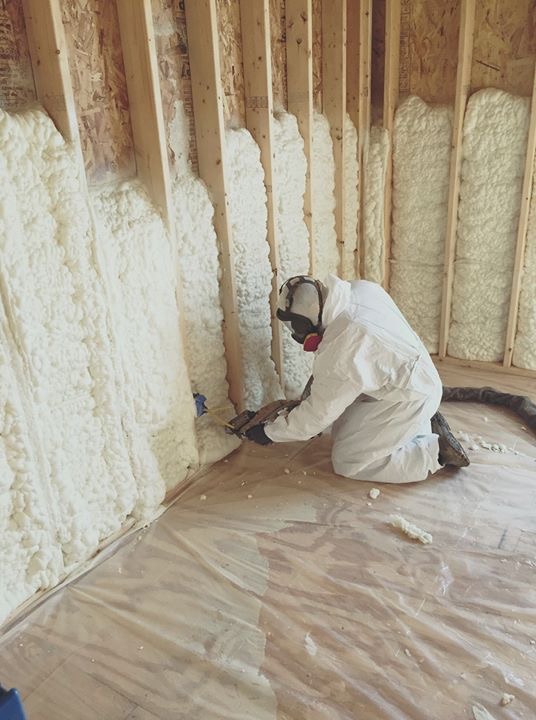
Los Angeles gets the climate treatment like nowhere else. The beach neighborhoods sit cool and breezy while downtown bakes. The hills catch fire in summer, and the valleys turn into ovens. What works in Santa Monica might bomb in Pasadena. Your heating needs depend entirely on where you actually live in this city. Understanding Your Microclimate Zone Here’s the thing about LA most people think of it as one giant, consistently warm place. That’s not how it works. The city breaks into distinct zones, each with different temperature swings and seasonal needs. Coastal areas rarely dip below 50 degrees, but the San Fernando Valley hits the mid-40s regularly in winter. The Hollywood Hills and surrounding elevations stay even colder. Even neighborhoods just five miles apart can have 10-degree differences when the sun goes down. These microclimates affect your heating requirements year-round. A beachside home might need light supplemental heating for just a few months. Meanwhile, someone in the foothills needs something with real staying power. Your heating system should match your actual neighborhood, not some generic LA stereotype. Why Winter Heating Still Matters in LA Los Angeles winters actually require attention. November through March brings consistent cooling, especially after sunset. Indoor temperatures drop faster than people expect, particularly in older homes or those with poor insulation. Morning chill can drop 20-30 degrees below daytime highs, especially inland. Humidity also plays a role. Coastal areas hold moisture that makes cold feel colder. Downtown and valley zones see dry, sharp cold that penetrates differently. These conditions directly impact how your heating system performs and what type actually makes sense for your space. Choosing the Right System for Your Area Heating services Los Angeles should match your specific neighborhood’s pattern. Coastal homes often benefit from efficient heat pumps they handle mild winters perfectly and avoid overkill. Valley and hillside properties typically need stronger capacity since cold snaps happen more dramatically. Downtown locations sit in the middle, with moderate needs that could go either direction. Your insulation quality matters too. Older Spanish-style homes with thick walls retain heat differently than modern construction. New homes with open concepts need different approaches than cozy, compartmentalized layouts. A professional assessment of your actual property beats any one-size-fits-all recommendation. When to Call a Professional Don’t guess. A heating specialist understands how your exact location your block, your elevation, your exposure to ocean breezes or desert winds actually affects your needs. They’ll test your current system, check insulation, and measure temperature variations throughout your home. Most LA residents run underperforming systems because they picked something suitable for a different microclimate entirely. Getting this right means comfort through winter and efficiency the rest of the year. The city’s diverse neighborhoods deserve heating solutions that work with the geography, not against it.
Wildfire Smoke and Your AC System: What to Do
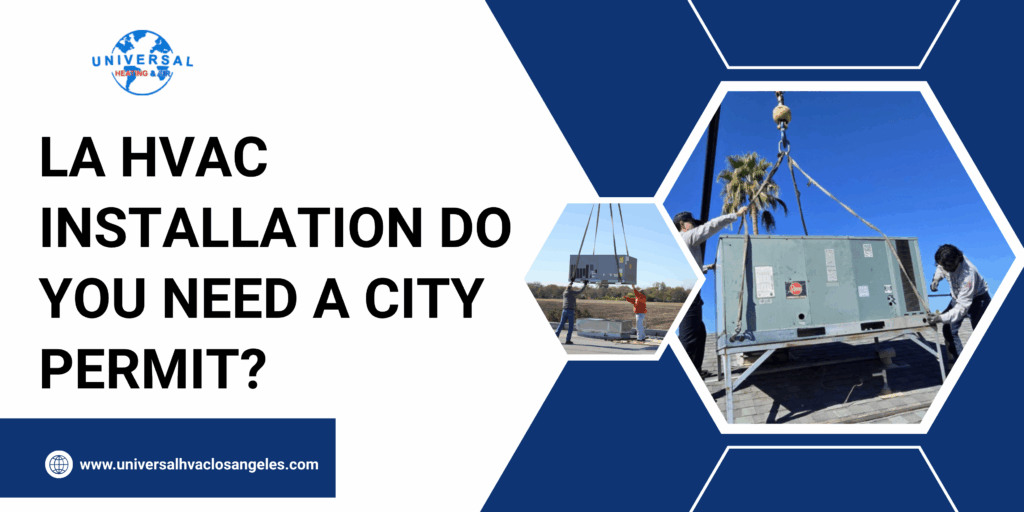
Let’s be honest: wildfire season isn’t just about bad air outside. The real problem is what happens when that smoke sneaks indoors especially to your AC system. Most people have no idea how much havoc wildfire smoke can cause, but the reality is, this stuff gets past filters, clogs up coils, and forces your system to work way harder than it should. And when things get rough, knowing a few smart moves can save both the equipment and the air Los Angeles inside. Check and Change Filters More Often Look, air filters are supposed to catch all that smoke gunk before it spreads through the house. Here’s the thing: during wildfires, filters get dirty fast. Like, need changing every couple of weeks instead of every few months. That’s not an exaggeration it’s what happens when the air is full of ash and soot. Watch for these signs: The filter looks filthy or weirdly discolored Airflow from the vents drops off There’s a musty or smoky smell when the system kicks on Replace those clogged filters as soon as you notice the problem. This is one of the easiest ways to keep the system running right and avoid damage to the guts of your AC. What’s crazy is most people wait way too long, and then wonder why their AC fails when it gets hot. Keep Outdoor Units Clear The outdoor condenser unit pulls in air, and when smoke is heavy, that means everything nasty ash, soot, whatever settles right on the coils. This chokes airflow and makes the system strain. Overheating? You bet. Frequent breakdowns? Absolutely. So here’s the deal: rinse the unit gently with a garden hose to get rid of buildup. Don’t use high pressure those fins are fragile. If the system still acts up or looks damaged, that’s a job for pros. In places like Los Angeles, calling AC Repair Los Angeles is often the smart move before things go from bad to worse. Run the System on Recirculate Mode Most AC systems have a recirculate setting. The idea is simple: it keeps pulling indoor air through the system instead of sucking in more smoky junk from outside. Set the thermostat to recirculate, and you’ll keep most of the nasty stuff outside. This isn’t hard to do, but most people never even look at that setting. Here’s what’s completely ridiculous skipping this step is like leaving your windows open in a dust storm. Watch for Warning Signs When the AC is under heavy smoke stress, it will start telling you things are wrong. Weird noises, weak airflow, warm air coming out of the vents all red flags. Ignore these, and you’re asking for expensive repairs. Or worse, a dead system in the middle of a heat wave. If something feels off, turn the unit off and call for service. Catching problems early saves way more money than waiting for disaster. This is the kind of thing that drives HVAC pros nuts people ignore warning signs until it’s too late. Final Words Wildfire smoke takes a real toll on AC systems. Changing filters often, keeping the outdoor unit clean, and using recirculate mode all basic, but most people mess this up. And when things get weird, there’s zero shame in bringing in the pros. Like AC Repair Los Angeles, they can spot and fix what’s wrong before failures happen. The bottom line? Pay attention during smoky days. These steps make a real difference for comfort and for how long your system lasts. Skip them, and you’re basically burning money while breathing bad air indoors. Not exactly the smart play.
Post-Wildfire Air Quality and Your HVAC
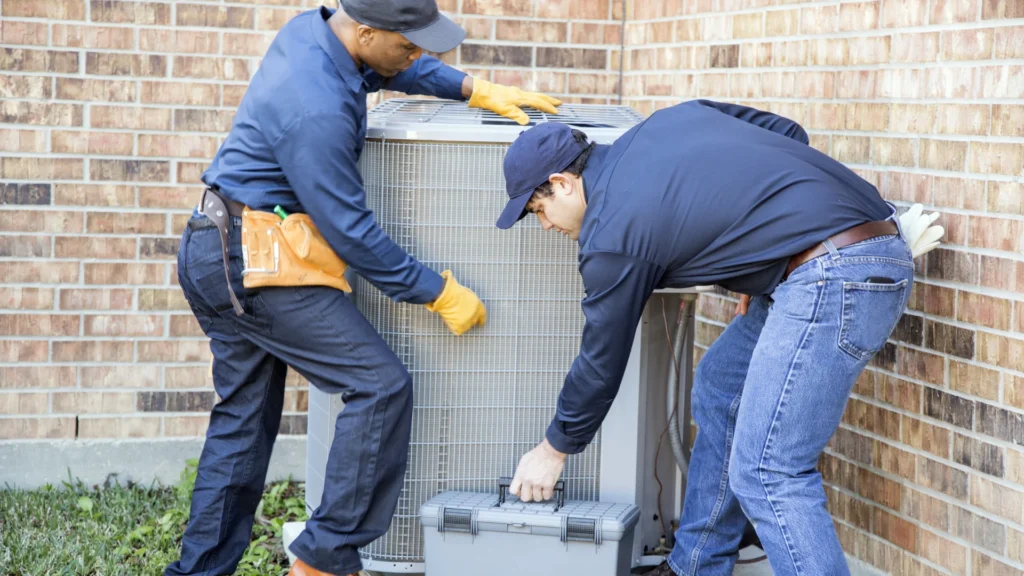
Here’s what’s completely ridiculous most people’s air at home Los Angeles after a wildfire is a total mess, but nobody talks about what really lingers. HVAC Services Los Angeles It’s not just about the smoky smell or that gray dust on the window sills. The air inside is packed with smoke, ash, and microscopic junk that just hangs around. What drives experts nuts is how these particles bypass basic home defenses and settle everywhere. The reality is, the HVAC system becomes the only shield anyone has left but only if the thing isn’t already wearing itself out. What Wildfire Smoke Does to Indoor Air Most people mess this up: closing the windows doesn’t mean safety. Smoke and its tiny particles sneak right into homes through vents, gaps, and doors. These things go deep into lungs, and that’s why headaches, breathing trouble, and scratchy throats show up long after the fires go out. And, here’s the thing HVAC systems pull in air nonstop. When that air is loaded with smoke and ash, the system clogs up faster than anyone expects. Filters get choked fast. Ducts start holding onto soot. The whole setup gets weighed down. Filter Changes Matter More Now So many homeowners just pop in regular filters and call it done. Bad idea. Standard ones are like cobwebs against a tidal wave; they’re built for basic dust and allergies, not wildfire smoke. This stuff is finer, stickier, way tougher to block. Experts have found that switching to high-rated filters (think MERV 11-13) is required if anyone wants to stand a chance. These catch more of the nasty particles but keep the airflow steady. Here’s what most people hate: those need checking way more often, at least every week after a wildfire, and replacements have to come fast no more just once a season. Duct Cleaning Removes Hidden Ash Hidden ash in ducts? Most people don’t even think about it, but that’s the crazy part. Every time the system kicks on, all the leftover soot and ash goes blasting back into the house. That means breathing the same garbage, over and over. The difference between cheap hacks and real improvement is professional duct cleaning. It sounds like a pain, but TECHS show up with tools to go deep and pull out layers of gunk—ash, soot, debris—all of it. Anyone skipping this step just keeps recycling smoke. System Checks Prevent Bigger Problems Wildfires don’t just attack the air they mangle the HVAC machinery. Fans run till they whine. Motors overheat while systems struggle. Belts, coils, and seals? Those get hammered. Experts recommend a full inspection, and here’s why: Clogged coils zap cooling power Blower wheels stuffed with dirt strain motors till they break Seals get loose and invite even more lousy air Worn-down belts start snapping, sometimes at the worst moment Quick checks catch problems before the whole thing melts down. Preventing a major bill or a busted system in a heat wave is worth it. Air Purifiers Add Extra Protection Some setups just can’t keep up, especially after big fires. That’s where air purifiers with HEPA filters step in and grab what even upgraded HVAC filters miss. UV lights? Those torch bacteria and mold that show up in smoky, damp conditions. But here’s a warning: these additions help but don’t erase the need for actual HVAC maintenance. Getting Professional Help The biggest issue when people panic post-fire is waiting too long for a fix. Anyone in the know doesn’t waste time they call in pros in HVAC Services Los Angeles right away. These folks see fire damage all the time; they know which parts break down, what really needs cleaning, and which upgrades actually work. Final Words The truth about wildfire smoke is that it keeps wrecking indoor air long after the flames are gone. Most people ignore this and end up with heating and cooling systems that break down, air that stays filthy, and health issues that drag on. The brutal fix? Change filters quick, get ducts cleaned, let real pros check the system, and don’t buy into the “set it and forget it” myth. Act now unless breathing in old wildfire ash sounds like a good plan.
Maximizing Your Home’s Air Quality: Advanced HVAC Solutions for Los Angeles Residents
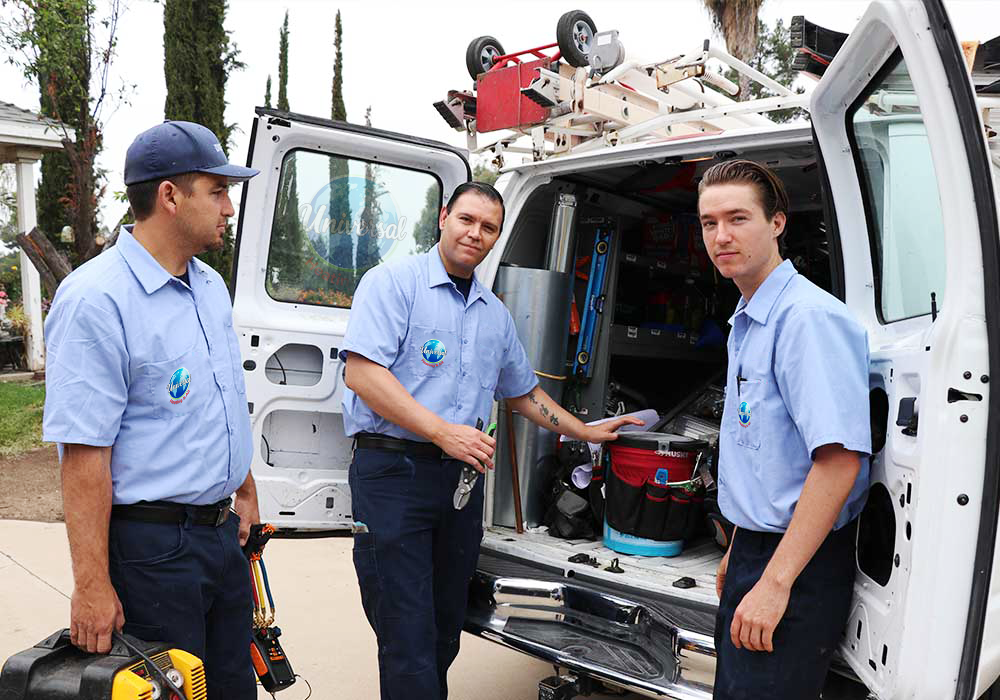
Here’s the thing about Los angles air it’s rough on your home. Between the smog, wildfire smoke, and all that urban pollution, your indoor air can get pretty nasty without you even realizing it. Dust, allergens, and other gross stuff pile up way faster than you’d think, and guess what? Your Air Conditioning Repair Los Angeles system is either helping clean things up or making it worse. What’s Actually Going Wrong with Your Air LA homes deal with some serious air quality challenges that other places don’t have. All that outdoor pollution? It sneaks inside through windows, doors, and your ventilation system. If you’ve got an older house, chances are your filtration isn’t cutting it. You know those days when your place feels stuffy, or you’re sneezing more than usual, or there’s dust on everything no matter how much you clean? That’s your air quality talking. Your heating and cooling system moves air all around your house. But when filters get clogged up or your ducts are full of junk, the air quality tanks. The good news is regular maintenance stops this stuff from getting out of hand. HVAC Upgrades That Actually Make a Difference Modern HVAC systems have some pretty cool options for cleaner air. High-efficiency filters are way better than the basic ones they catch tiny particles like pet dander, pollen, and microscopic dust that regular filters just let slide right through. Duct cleaning is huge. Think about it years of dust, allergens, and sometimes even mold just sitting in your air ducts. Professional techs use special equipment to clear all that nastiness out. Clean ducts mean clean air flowing through your house. Some people add air purification systems that work with their existing HVAC setup. These things remove even more contaminants on top of what your regular system handles. When You Need to Call the Pros Air Conditioning Repair Los Angeles specialists can figure out exactly what your home needs. They’ll check your filters, look at your ductwork, and spot places where you could improve air quality. Professional techs catch stuff homeowners miss all the time. Leaky ducts, bad ventilation, old equipment it all messes with your air quality. Regular tune-ups keep everything running smoothly while keeping your indoor air cleaner. Here’s what pro services can do for your air quality: Swap out filters for high-efficiency ones Deep clean and sanitize your ducts Check your system for leaks or damage Install air purification add-ons Easy Stuff You Can Do Right Now Change your filters every three months – more often when pollution’s really bad. Don’t let furniture or curtains block your vents. Your air needs to move around freely. Get professional maintenance twice a year. Spring and fall checkups catch problems before they mess with your air quality or break your system. Bottom Line Clean indoor air starts with taking care of your HVAC system. In LA, we’ve got unique air quality challenges, so professional services really make a difference. Regular maintenance, good filters, and professional inspections create a healthier home for your family all year long.
LA’s Odd Weather and Your HVAC Emergency
You know how Los angles weather can be totally unpredictable, right? One day you’re cranking the AC because it’s blazing hot, and the next day you’re actually reaching for a sweater. These wild temperature swings are rough on your heating and cooling system. And of course, that’s exactly when your HVAC decides to call it quits. Why LA’s Weather Is So Hard on HVAC Systems Here’s the thing our city’s all-over-the-place climate really pushes HVAC equipment to work overtime. Your system’s constantly switching between heating and cooling, which is like asking it to run a marathon every day. What usually happens: Your AC freezes up when temperatures change too fast The heater breaks down after sitting unused for months (because, you know, it’s LA) Thermostats can’t keep up with the dramatic weather shifts Older systems just burn out from all the constant on-off cycling And Murphy’s Law kicks in every time. Your AC dies right when it hits 95 degrees. Or that rare cold snap catches everyone off guard and suddenly your heater won’t work. Red Flags That Mean You Need Help Now If your system starts making weird noises, don’t ignore it. Grinding, squealing, or banging sounds mean something’s seriously broken inside. These aren’t “maybe I’ll deal with it later” situations. Weak airflow is another big warning sign. Maybe your blower motor died, or something’s blocking the system. Either way, you’re about to lose your comfort. Pay attention to strange smells too. Burning odors could mean electrical problems or parts overheating. Musty smells? That’s probably mold growing in your ducts gross and unhealthy. When some rooms feel like an oven while others are freezing, your system can’t distribute air properly anymore. That’s a clear sign something’s wrong. Getting Emergency Help Fast When your HVAC crashes, especially during LA’s temperature extremes, you can’t wait around. Nobody wants to sweat through a weekend or freeze until Monday morning. That’s where emergency hvac repair los angeles services come in. These pros get it they know how our weird weather messes with different types of systems. They show up with the right tools and parts to actually fix things instead of just patching them up. The good repair companies offer 24-hour service because, let’s be honest, your AC doesn’t care if it’s 2 AM on Sunday. They’ll diagnose the real problem instead of guessing, which saves you time and money in the long run. Bottom Line LA’s wild weather isn’t going anywhere, so your HVAC will keep getting tested. But if you catch the warning signs early and know who to call for emergency repairs, you won’t have to suffer through those temperature swings. Your home can stay comfortable no matter what crazy weather hits the city next.
Earthquake-Proof Your AC: A Guide for Angelenos
You live in Los angles, so earthquakes happen. That’s just how it is. Most people worry about their TV falling over or making sure they have enough water stored up. But what about your air conditioner? Here’s the thing – when an earthquake messes up your HVAC Services Los Angeles , you’re stuck sweating it out while everyone else is calling for repairs too. Not exactly ideal when it’s 90 degrees outside. Your Outdoor Unit Needs Help That big AC unit sitting outside your house? It’s heavy, but earthquakes can still knock it around. Sometimes they tip over completely. When that happens, those refrigerant lines going into your house can snap right off. The electrical stuff gets wrecked too. So check how it’s attached. The unit should be bolted down tight to that concrete pad underneath. Look for loose bolts or cracks. See something wrong? Get someone out to fix it before the next big one hits. You can also add earthquake straps – they’re like metal brackets that hold everything in place. They still let the unit move a little when the ground shakes, but they stop it from falling over or sliding away. Don’t Forget What’s Inside Your central air system has parts inside your house too. The evaporator coil is probably up in your attic somewhere. Your furnace and air handler also need to stay put during a quake. These should be strapped down to the wall studs or floor. Check those brackets every once in a while. If they look rusty or loose, replace them. And make sure your ductwork can bend a bit without breaking. Got mini-splits on your walls? Those mounting brackets need to be solid. The refrigerant lines between your indoor and outdoor parts should be supported every few feet so they don’t sag or pull loose. Keep Stuff Away Here’s something most people don’t think about – things fall during earthquakes. And when they land on your AC equipment, that’s bad news. Keep boxes, tools, and random junk away from your AC parts. Trim any tree branches that could come crashing down on your outdoor unit. Your outdoor unit needs breathing room anyway – at least two feet all around it. This also means less chance of something falling on it and causing damage. Get a Pro to Look Things Over HVAC Services Los Angeles techs know what to check for earthquake safety. They’ll spot problems before they turn into disasters. They look at your electrical connections, how your refrigerant lines are mounted, and all the hardware holding everything together. Get them out once a year for maintenance. They can tighten loose stuff and replace worn-out straps. Plus they know if your system meets the current safety codes. What to Do After an Earthquake Keep your HVAC company’s phone number handy. After any earthquake, turn your AC off until you can check it out. Look for bent pipes, damaged wires, or anything that looks wrong. Don’t mess with it yourself though. Refrigerant systems need special equipment and training. Same with electrical work – that stuff needs permits and know-how. Let the pros handle it. Take pictures of your system while it’s still working fine. This helps with insurance claims later and shows the repair guys how everything’s supposed to look. Write down model numbers and when things were installed too. Maybe It’s Time to Upgrade If your AC system is old – like more than 15 years old – it might not be up to current earthquake standards. Newer heat pumps and central air systems have better mounting options. Modern mini-splits come with stronger wall brackets made for earthquake zones. New equipment also saves energy and has better safety features. And when pros install it, they’ll mount everything right from the start. Wrapping Up Getting your AC ready for earthquakes isn’t rocket science. But it’s smart to do it now instead of dealing with no cooling after the next big shake. Regular checkups, solid mounting, and having a good repair company on speed dial that’s all it takes. A little work now beats sweating through the aftermath later.
Getting Your HVAC Ready for Santa Ana Winds
Those crazy Santa Ana winds in Los Angeles can mess up your HVAC system way faster than you’d think. These intense, dry winds blow around tons of debris and dust that’ll clog up your filters and damage your outdoor unit. The smart move? Get your heating and cooling system prepped before the winds show up so you don’t end up with expensive repairs later. Clean or Replace Your Air Filters Here’s the thing dirty filters are your biggest problem during Santa Ana season. All that extra dust and junk flying around will clog even brand-new filters super fast. First, check your current filter. If it looks gray or brown, toss it and put in a fresh one right away. And here’s a tip – grab a few extra filters while you’re at it. You’ll probably need to swap them out more often when it gets windy. Clean filters help your system breathe better when it’s working overtime. Your HVAC won’t have to work so hard to push air through, which means it’ll use less energy and break down less often. Secure Your Outdoor Unit That big condenser unit sitting outside? It’s getting hammered by flying debris right now. Walk around it and move any loose stuff that’s nearby. Patio chairs, flower pots, garden tools – they all turn into projectiles when those winds kick up. Even small branches and leaves pile up crazy fast around the unit. Here’s what you need to do: Clear at least three feet around all sides Cut back any branches or bushes hanging over it Move stored stuff away from the area Make sure the unit’s sitting level on its base When your outdoor unit’s clean and secure, it runs way better and lasts longer. Plus, you won’t wake up to find your patio furniture crashed into your condenser. Check Your Ductwork and Vents Santa Ana winds mess with air pressure, and that can actually loosen up your ductwork. These pressure changes sometimes shake connections loose or push debris into your vents. Take a quick look at any ducts you can see in your basement, attic, or garage. Look for wobbly sections or joints that seem loose. Listen for weird whistling or rattling sounds when your system’s running. Don’t forget to check your outside vents too. Those bird screens and vent covers sometimes get damaged or blown off during windstorms. When covers go missing, debris goes straight into your ducts. Protect Against Power Problems Strong winds knock down power lines all the time in LA, and those outages can damage your HVAC’s sensitive parts. Your system’s electrical components really don’t like sudden power surges or drops. Circuit boards and motors can fail when electricity jumps around like that. If you don’t have surge protectors already, think about getting them installed. And during really bad wind warnings? Just turn off your HVAC completely to protect it from power spikes. Get Professional Maintenance Sometimes you need an expert to really get your system ready. Home AC Installation Los Angeles A professional tune-up finds problems before they turn into expensive repairs. Techs check your refrigerant levels, clean the coils, and test all the electrical connections. They’ll spot worn-out parts that might fail when the weather gets demanding. Book your maintenance before peak wind season hits. Wait until your system breaks during a windstorm and you’ll need emergency HVAC repair when everyone else does too – not fun. Keep an Eye on Performance Pay attention to how your HVAC sounds and works during windy weather. Weird noises, weak airflow, or rooms that won’t get to the right temperature? Those are warning signs. Don’t ignore problems hoping they’ll just go away. Small issues turn into big, expensive repairs really quickly when your system’s working harder during rough weather. Bottom Line It takes some effort up front to prepare your HVAC system for Santa Ana winds, but it will save you money and keep you comfortable in the long run. Professional maintenance, a secure outdoor unit, and clean filters keep everything functioning when you need it most. Take care of the little things now before they cause you a lot of trouble during the next windstorm.
Saving Your AC from Wildfire Smoke
So here’s the thing about California’s wildfire season it’s not just the orange skies and ash-covered cars you need to worry about. Those tiny smoke particles are actually sneaking into your home through your AC system, creating air quality issues that can stick around for weeks. Most people in Los Angeles don’t realize their cooling system needs extra care during these smoky times. But getting ahead of this problem can save you money and help your family breathe easier. How Wildfire Smoke Messes with Your AC Think of smoke as thousands of tiny particles that slip right past your regular air filter. Over time, these particles start building up inside your AC’s parts. Your evaporator coils get this thin coating of ash and soot on them. That coating basically blocks the heat transfer your system needs to work right, so it has to work way harder just to cool your house. The blower fans? They start struggling when particles clog up their motors and cut down airflow. But your outdoor unit gets hit even worse. Ash settles all over those condenser coils, and they can’t release heat outside like they’re supposed to. When these coils can’t “breathe” properly, your whole system’s efficiency takes a nosedive. Warning Signs Your AC Is in Trouble Keep an eye out for these red flags during fire season: Weak airflow coming from your vents Weird smells when the system’s running Your energy bills are higher than usual The unit runs way longer to reach the temperature you set Strange noises from either the indoor or outdoor equipment Don’t brush these off. Smoke damage just gets worse when you ignore it. How to Protect Your System During Fire Season First thing – change those air filters way more often when it’s smoky. Instead of once a month, you should swap them out weekly during heavy smoke days. Actually, check them every few days and replace them when they look gray or black. Keep your outdoor unit clean. Gently spray off those condenser coils with your garden hose when ash starts building up. Just make sure you turn off the power first. Close up your windows and doors when there’s an air quality alert. Your AC works better when it’s only dealing with indoor air instead of trying to pull in that smoky outside air. Here’s a tip most people don’t know – run your system’s fan on “on” instead of “auto” during smoky periods. This keeps air moving through your filters all the time, which catches way more particles. When You Need to Call the Pros Sometimes smoke damage is beyond what you can handle yourself. That’s when you need professional Air Conditioning Repair Los Angeles services. These guys have the right equipment to deep clean all those internal parts you can’t safely get to. You should call them when your system starts acting up after smoke exposure. They can check those evaporator coils, clean the blower parts, and make sure your refrigerant levels are still good (they can get affected when your system’s working overtime). Professional maintenance also means checking electrical connections – smoke can actually make these corrode. They’ll test your system controls and safety switches too, which protect your equipment from damage. Try to schedule service before the real summer heat hits. A lot of systems that seem fine after wildfire season end up failing during the first big heat wave because that smoke damage weakened things. Keeping Your System Protected Long-term You might want to upgrade to better air filters that are actually made for smoke particles. MERV 11 or 13 filters catch way smaller particles than regular ones, but check with someone first to make sure your system can handle the extra resistance. If you live in a fire-prone area, regular maintenance becomes super important. Getting annual tune-ups helps catch smoke-related wear before it turns into expensive repairs. Keep records of when your system was exposed to wildfire smoke. This helps technicians understand why certain parts might need attention more often. Bottom Line Wildfire smoke does real damage to AC systems it’s not just about dirty filters. Taking some simple steps during fire season protects what you’ve invested in and keeps your indoor air quality decent. Getting professional cleaning and maintenance after smoke exposure keeps everything running smoothly through those hot summer months. Don’t wait for problems to show up being proactive saves you both money and keeps you comfortable when you really need that cooling.
Your HVAC Does Way More Than Just Heat and Cool Your Place
Look, most people think HVAC systems are just about keeping buildings warm in winter and cool in summer. But here’s the thing that’s only part of what they do. These systems actually control the air you’re breathing indoors every single day. And in a city like Los Angeles , where the outdoor air quality is all over the place, your HVAC system is basically your main defense against crappy indoor air. How Your HVAC Actually Affects What You Breathe Here’s what’s really happening: your heating and cooling system is constantly moving air through every room in your building. As it circulates around, it picks up dust, allergens, and all kinds of particles floating in the air. Without decent filters and regular maintenance, those nasty contaminants just keep going round and round through your space. Think about it air moves through your HVAC system hundreds of times each day. Every single cycle is a chance to either clean that air or make it worse. The cool thing is, modern HVAC systems can actually remove particles as tiny as 0.3 microns. We’re talking about most allergens, dust mites, and even some bacteria. But only if the system’s working right and you’re using quality filters. Why LA Buildings Really Need Better Air Quality Control LA has some pretty unique air quality challenges. Smog levels go up and down throughout the year. Then you’ve got wildfires that create periods where the outdoor air is just terrible. Mix in all the normal city pollution, and you’re dealing with a complex mess of contaminants trying to get into buildings. When companies do Commercial Heating Installation Los Angeles projects, they usually just focus on temperature control. Smart building owners also think about air quality features during installation. Here’s something that might surprise you indoor air can actually get more polluted than outdoor air. Office buildings trap cleaning chemicals, carpet fibers, and fumes from equipment. Restaurants have to deal with cooking smoke and grease particles. Retail spaces collect dust from people walking around all day. Common Air Quality Problems HVAC Systems Can Fix When ventilation sucks, you get several problems: Stale air that feels stuffy and gross More allergens and dust floating around Moisture building up that leads to mold Chemical smells that just won’t go away A properly designed HVAC system fixes these issues by controlling how air gets exchanged. Fresh outdoor air mixes with filtered indoor air at just the right ratios. This balance gets rid of contaminants while keeping things comfortable. How Today’s HVAC Tech Actually Cleans Your Air Modern heating and cooling systems have some pretty advanced air cleaning features. HEPA filters catch tiny particles that basic filters totally miss. UV lights kill bacteria and viruses as air passes through the system. Some units can even break down chemical pollutant at the molecular level. Smart controls monitor air quality in real time. When pollution levels spike, the system automatically kicks up the ventilation. This keeps indoor air clean without wasting a bunch of energy. Humidity control is huge too. Dry air irritates your respiratory system and lets dust stay in the air longer. Too much moisture and you get mold growth. Quality HVAC systems keep humidity between 30 and 50 percent all year round. Signs Your Current System Isn’t Doing Its Job Watch out for these red flags. Dust builds up fast on surfaces throughout your building. People complain about headaches or feeling stuffy during the workday. Allergies seem worse indoors than outside. Weird odors that won’t go away are also a dead giveaway of air quality problems. Your HVAC system should get rid of most smells through proper ventilation and filtration. Bottom Line Your HVAC system does way more than just control temperature. It’s literally shaping the air quality in your building every hour of every day. In LA, where outdoor air quality is such a rollercoaster, a well-designed heating and cooling system becomes essential for keeping indoor environments healthy. So when you’re planning your next HVAC upgrade, definitely think about air quality feature.
Best HVAC Setups for LA Allergy Sufferers
Living with allergies in Los Angeles? You’re dealing with pollen, dust, and smog pretty much all year round. Your home should be where you can actually breathe without reaching for tissues every five minutes. Here’s the thing – the right HVAC System Installation Los Angeles heating and cooling system can be a total game-changer. Air Filtration Systems That Actually Work Let’s be honest – those basic HVAC filters don’t do much for allergies. They’re like trying to catch fish with a basketball net. HEPA filters are where it’s at. These bad boys catch particles as tiny as 0.3 microns. We’re talking pollen, pet dander, dust mites, and even some bacteria. That’s seriously small stuff. But here’s what’s even better – whole-house air purifiers that work with your existing system. They don’t just filter air, they actively clean it. UV lights actually kill mold spores and bacteria before they can float around your house. Electronic air cleaners use static charges to grab particles that slip right through regular filters. Think about this for a second: your lungs process around 2,000 gallons of air every single day. Shouldn’t that air be as clean as possible? Humidity Control Keeps Allergens in Check LA’s dry climate might seem like good news for allergy folks, but it creates its own headaches. When humidity’s too low, your nasal passages get all dried out and irritated. Plus, dust particles just hang out in the air longer when it’s dry. Whole-house humidifiers keep moisture levels right where they should be – between 30-50%. This keeps dust from floating around and your respiratory system happy. No more waking up feeling like you’ve been breathing through sandpaper. Don’t forget about dehumidifiers either. Bathrooms and basements can get pretty muggy, and that’s where mold loves to party. Mold spores can trigger some seriously nasty allergy reactions. Ductwork Design Makes All the Difference Old ductwork is basically a museum of dust, pollen, and all sorts of gross stuff that’s been collecting for years. Leaky ducts are even worse – they’re pulling in contaminated air from crawl spaces and attics. That’s why professional HVAC System Installation Los Angeles includes proper duct sealing and smart design. Clean ducts with smooth surfaces don’t give allergens places to hide. When ducts are the right size, they maintain steady airflow so your filters can do their job properly. Smart return air placement actually pulls contaminated air away from where you’re hanging out. Some homes really benefit from zone control systems. These let you keep different air quality standards in bedrooms versus living areas. Smart Thermostats for Managing Allergies Modern thermostats aren’t just about temperature anymore. They can monitor your indoor air quality and automatically adjust fan speeds. Some even track pollen forecasts and kick up the filtration when allergen levels are high outside. You can set them to pre-filter your air before you wake up. No more walking into a house that feels stuffy and loaded with allergens. Why Professional Installation Beats DIY Look, allergy-focused HVAC systems need to be installed just right. If the sizing’s off, you won’t get proper air circulation. Mess up the ductwork, and you’ll have dead zones where allergens just sit around. Put filters in the wrong spot, and you could lose up to 40% of their effectiveness. Licensed techs actually understand LA building codes and what works in our specific climate. They’ll size your equipment based on your actual home, not some generic chart. Professional installation means proper electrical work, correct refrigerant handling, and thorough system testing. This isn’t really weekend warrior territory. Keep Up with Maintenance Even the best allergy-fighting system won’t help if you don’t maintain it. Filters need swapping every 30-90 days, depending on what type you’re using. Dirty coils don’t work well and can become breeding grounds for mold. Annual tune-ups catch little issues before they turn into expensive problem. Techs will clean everything, check refrigerant levels, and make sure all the safety systems are working. Bottom Line The right HVAC setup can seriously transform your home into a place where you can breathe easy. Good filtration, proper humidity control, and professional installation create the clean indoor environment you actually need. Don’t let crappy air quality run your life when there are solutions that really work.
Best HVAC Setups for LA Allergy Sufferers
Living with allergies in Los Angeles? You’re dealing with pollen, dust, and smog pretty much all year round. Your home should be where you can actually breathe without reaching for tissues every five minutes. Here’s the thing – the right HVAC System Installation Los Angeles heating and cooling system can be a total game-changer. Air Filtration Systems That Actually Work Let’s be honest – those basic HVAC filters don’t do much for allergies. They’re like trying to catch fish with a basketball net. HEPA filters are where it’s at. These bad boys catch particles as tiny as 0.3 microns. We’re talking pollen, pet dander, dust mites, and even some bacteria. That’s seriously small stuff. But here’s what’s even better – whole-house air purifiers that work with your existing system. They don’t just filter air, they actively clean it. UV lights actually kill mold spores and bacteria before they can float around your house. Electronic air cleaners use static charges to grab particles that slip right through regular filters. Think about this for a second: your lungs process around 2,000 gallons of air every single day. Shouldn’t that air be as clean as possible? Humidity Control Keeps Allergens in Check LA’s dry climate might seem like good news for allergy folks, but it creates its own headaches. When humidity’s too low, your nasal passages get all dried out and irritated. Plus, dust particles just hang out in the air longer when it’s dry. Whole-house humidifiers keep moisture levels right where they should be – between 30-50%. This keeps dust from floating around and your respiratory system happy. No more waking up feeling like you’ve been breathing through sandpaper. Don’t forget about dehumidifiers either. Bathrooms and basements can get pretty muggy, and that’s where mold loves to party. Mold spores can trigger some seriously nasty allergy reactions. Ductwork Design Makes All the Difference Old ductwork is basically a museum of dust, pollen, and all sorts of gross stuff that’s been collecting for years. Leaky ducts are even worse – they’re pulling in contaminated air from crawl spaces and attics. That’s why professional HVAC System Installation Los Angeles includes proper duct sealing and smart design. Clean ducts with smooth surfaces don’t give allergens places to hide. When ducts are the right size, they maintain steady airflow so your filters can do their job properly. Smart return air placement actually pulls contaminated air away from where you’re hanging out. Some homes really benefit from zone control systems. These let you keep different air quality standards in bedrooms versus living areas. Smart Thermostats for Managing Allergies Modern thermostats aren’t just about temperature anymore. They can monitor your indoor air quality and automatically adjust fan speeds. Some even track pollen forecasts and kick up the filtration when allergen levels are high outside. You can set them to pre-filter your air before you wake up. No more walking into a house that feels stuffy and loaded with allergens. Why Professional Installation Beats DIY Look, allergy-focused HVAC systems need to be installed just right. If the sizing’s off, you won’t get proper air circulation. Mess up the ductwork, and you’ll have dead zones where allergens just sit around. Put filters in the wrong spot, and you could lose up to 40% of their effectiveness. Licensed techs actually understand LA building codes and what works in our specific climate. They’ll size your equipment based on your actual home, not some generic chart. Professional installation means proper electrical work, correct refrigerant handling, and thorough system testing. This isn’t really weekend warrior territory. Keep Up with Maintenance Even the best allergy-fighting system won’t help if you don’t maintain it. Filters need swapping every 30-90 days, depending on what type you’re using. Dirty coils don’t work well and can become breeding grounds for mold. Annual tune-ups catch little issues before they turn into expensive problem. Techs will clean everything, check refrigerant levels, and make sure all the safety systems are working. Bottom Line The right HVAC setup can seriously transform your home into a place where you can breathe easy. Good filtration, proper humidity control, and professional installation create the clean indoor environment you actually need. Don’t let crappy air quality run your life when there are solutions that really work.
Wildfire Smoke and Your AC: A Los Angeles Homeowners Guide
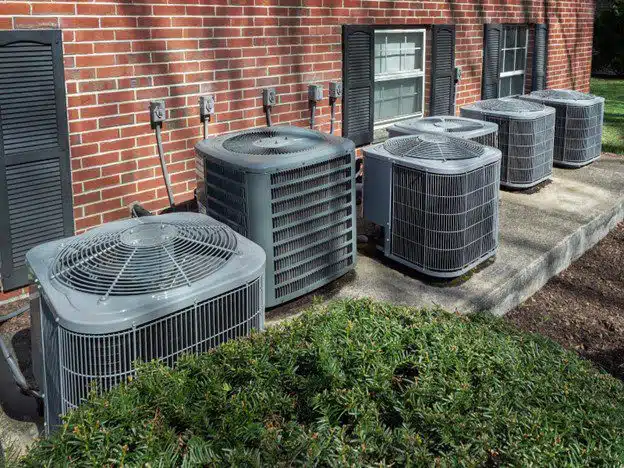
Here’s the thing about living in Los Angeles wildfire season comes back every single year. That thick smoke doesn’t just ruin the view from your window. It actually gets inside your house and messes with your air conditioning system in ways you probably didn’t expect. Your Emergency Air Conditioner Repair Los Angeles wasn’t built to handle those tiny smoke particles that just sail right through regular filters. What Smoke Actually Does to Your AC Smoke particles are ridiculously small. Way smaller than the holes in your regular AC filter, which means they just waltz right through and settle inside your system. After a while, this buildup starts causing real problems. Here’s what happens: Your evaporator coils get coated with this thin layer of ash and soot. Think of it like putting a blanket over your coils – suddenly your system has to work way harder to cool your house. Your electric bill goes up while your house stays warmer than you want. The blower motor starts struggling too when smoke crud builds up on the fan blades. All that extra strain can actually kill the motor, and nobody wants to be without AC when it’s 95 degrees outside. And your ductwork? That gets nasty too. Smoke particles stick to the inside walls of your ducts like glue. This creates the perfect spot for mold and bacteria to grow. Every time your system kicks on, it’s basically spreading that contaminated air all over your house. How to Protect Your System When Fires Hit Smart homeowners don’t wait until the smoke shows up. You want to get ahead of this. Start by swapping out your regular filter for a MERV 13 or higher. These catch way more of those tiny particles. During fire season, you’ll need to change filters more often. That filter that usually lasts three months? You might need to replace it every few weeks when the air gets smoky. A clogged filter makes your system work overtime and lets more junk slip through. Keep your windows and doors shut tight when the air quality tanks. Since your central air system moves indoor air around, stopping outdoor smoke from getting in really helps your filters do their job. By the way, after big fire events, it’s smart to have someone check and clean your ductwork. Smoke residue hangs around in there long after the outside air clears up. When You Need to Call a Pro Some smoke damage can’t be fixed with just a new filter. Watch out for these red flags: Your system runs non-stop but your house still feels warm. This usually means smoke buildup on your evaporator coils is blocking their ability to pull heat out of the air. Weird smells come from your vents even after the outside smoke is gone. That’s a sign you’ve got contamination somewhere in your ductwork or on system parts. Your electric bill jumps up for no obvious reason. A system that’s working overtime because of smoke buildup will definitely use more power. Strange noises from your indoor unit might mean the motor is struggling with particle buildup on the moving parts. Don’t mess around with these problems. Emergency Air Conditioner Repair Los Angeles services are exactly what you need when smoke damage hurts your system’s performance. Professional techs can clean those contaminated coils, check your motors, and figure out if any parts need replacing. Planning Ahead for Future Fire Seasons Fire season isn’t going anywhere in Southern California, so you might as well plan for it. Think about upgrades that’ll help you year after year. A whole-house air purifier works alongside your existing system to grab smoke particles before they reach the sensitive parts. These use way better filtration than what your regular AC filter can handle. Regular maintenance becomes super important when you live in fire country. Those yearly tune-ups should include thorough coil cleaning and checking for any smoke damage. If your current system is getting old, you might want to look at upgrading to something with better filtration. Modern central air systems and heat pumps come with improved indoor air quality features that older units just don’t have. Final Words Wildfire smoke can really mess up your air conditioning and your indoor air quality. Those tiny particles sneak past regular filter and build up on important parts. Simple steps like upgrading filters and getting regular maintenance protect your system and your family’s health. When smoke damage happens, don’t wait to call for professional help.
How Your HVAC Ductwork’s Hidden Flaws Cost You Money and Comfort
You can’t see the ducts in your Los Angeles walls, but they’re moving air around your house all day long. When they start having problems, you’ll know it. Your bills go up and your house doesn’t feel right anymore. Leaky Ducts Drain Your Wallet Here’s what happens when your ductwork starts leaking – you’re basically paying to heat and cool nothing. All that good air escapes through cracks before it gets to your rooms. Your system keeps running and running, trying to keep up. Small problems turn into big ones fast. A little crack gets bigger. Loose joints get looser every time your system kicks on. The Department of Energy says most homes lose about 20-30% of their air through leaky ducts. That’s like leaving your front door open while the AC’s running. Some Rooms Just Feel Wrong You know how some rooms in your house never feel quite right? One’s always too cold, another gets stuffy. Your bedroom never cools down even when the rest of the house is fine. That’s your ducts not doing their job. Air goes wherever it’s easiest to flow. Rooms with good connections get plenty of air. Others get whatever’s left over. Your kids probably complain about their cold bedroom. You might notice the living room stays muggy even with the AC cranked up. Bad Air Gets Spread Around But it’s not just about temperature. When ducts have holes, they suck up dust and junk from crawl spaces and attics. Then that nasty stuff gets blown all through your house. Leaky ducts mess with humidity too. Too much moisture means mold. Too little makes everyone’s skin dry and throats scratchy. Got allergies in the family? They’ll definitely notice when the air quality goes downhill. Your System Works Too Hard When ducts are messed up, your furnace and AC take a beating. They run way longer than they should, trying to make up for all that lost air. This wears everything out faster. Motors burn out. Parts crack from overwork. Compressors give up early. Repairs cost thousands. And they always happen when you need your system most – middle of summer or dead of winter. You Need a Pro Don’t try to fix ductwork yourself. Professional have the right tools to find leaks and check if air’s flowing properly. They can spot problems with how ducts were designed in the first place. Real duct repair fixes what’s actually wrong, not just what you can see. Sometimes the whole system’s so messed up that HVAC system installation Los Angeles is the smarter choice. Good work lasts. Wrapping Up Those ducts might be hidden, but their problems aren’t. Higher bills, uncomfortable rooms, equipment breaking down it all adds up. Get a pro to check things out and fix what’s broken. Don’t let bad ducts keep costing you money.
Installing AC in Historic LA Homes Unique Challenges
Getting modern cooling systems into old Los Angeles homes? Yeah, it’s not exactly straightforward. These vintage beauties weren’t built with central air in mind, and honestly… that creates a whole mess of complications most homeowners don’t see coming. Why Historic Homes Fight Modern Cooling Old LA houses are gorgeous, but they’re stubborn about upgrades. Built in the 1920s and 30s, these places have thick plaster walls, weird layouts, and zero space planning for ductwork. The electrical systems? Don’t even get me started. Most were designed when people had maybe three appliances total. Now you want to add a power-hungry AC unit? The wiring might need a complete overhaul first. Then there’s the whole preservation thing. Historic districts have rules about what you can and can’t change. Some neighborhoods won’t let you mess with exterior appearances at all. Ductwork Nightmares in Vintage Builds Here’s where things get really tricky. Modern homes have nice, neat spaces between floors and walls for ducts. Historic homes? Not so much. Those beautiful hardwood floors don’t want holes cut through them. The ornate crown molding makes running ducts a puzzle. And forget about crawl spaces half these houses sit right on their foundations. Sometimes installers have to get creative. Really creative. Like running ducts through closets, or building custom chases that blend with the original architecture. It works, but it takes time and costs more. Electrical System Upgrades Most vintage LA homes still rock their original electrical panels. That’s fine for lights and maybe a refrigerator, but air conditioner installation needs serious power. The old 60-amp services won’t cut it. Modern AC units typically need 200-amp service minimum. That means new panels, updated wiring, and permits galore. Plus, older homes often lack proper grounding. Safety codes today require GFCI outlets and grounded circuits throughout. It’s not just about the AC anymore it’s about bringing the whole electrical system up to current standards. Structural Surprises During Installation You never know what’s hiding behind those walls until you open them up. Lead paint, asbestos insulation, knob-and-tube wiring all standard stuff in pre-war construction. The framing might be different too. Modern homes use standard 16-inch stud spacing. Historic homes? They used whatever lumber they had. Sometimes studs are 24 inches apart, sometimes 12. Makes mounting equipment… interesting. And don’t assume the walls are plumb or the floors are level. These houses have settled over decades. What looks straight to the eye might be off by inches when you break out the level. Permit Complications and Code Requirements Historic districts love their paperwork. Regular AC installation permits are just the start. Depending on the neighborhood, you might need approval from historical societies, architectural review boards, or preservation committees. Each group has opinions about what’s acceptable. Current building codes also clash with historic construction methods. Modern codes assume standard wall cavities and modern materials. Trying to meet today’s insulation requirements in a 1925 bungalow gets complicated fast. Working Around Original Architecture The charm of historic homes those high ceilings, thick walls, unique room layouts becomes a challenge during installation. Nine-foot ceilings sound great until you realize modern ductwork needs specific clearances. Those gorgeous exposed beams? They’re right where the main trunk line wants to go. Original hardwood, vintage tile, custom millwork everything’s irreplaceable and in the way. Good installers work around these features, not through them. Final Words Historic LA homes need specialized approaches for modern cooling. The electrical, structural, and regulatory challenges pile up fast. But with experienced installers who understand both old construction and current codes, even the most challenging vintage home can stay cool while keeping its character intact.
Is your LA heating system ready for wildfire season smoke?
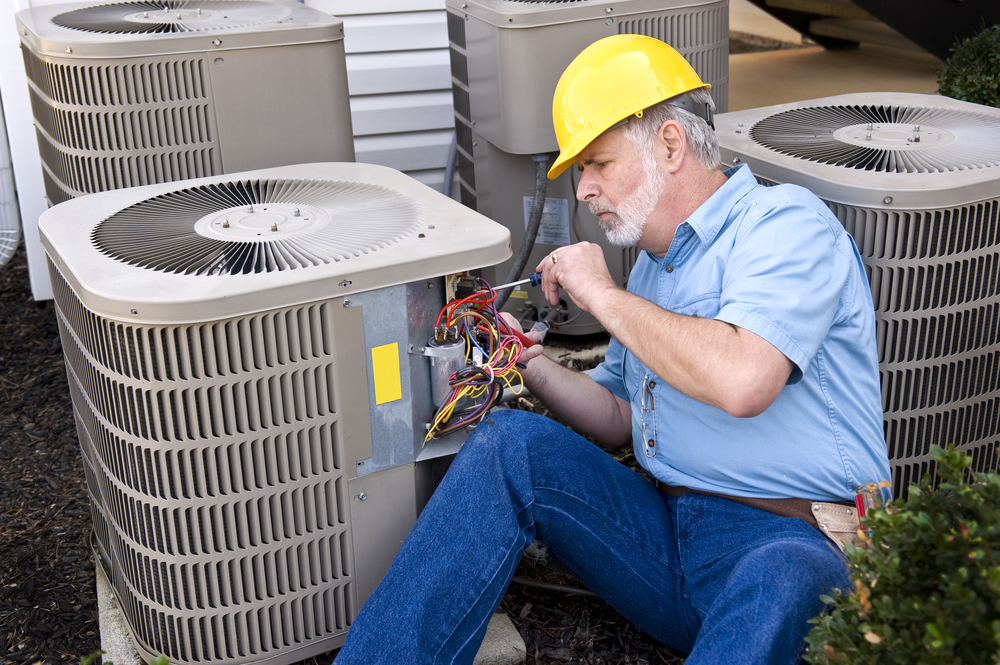
Wildfire season hits Los Angeles hard every year. Smoke drifts through neighborhoods for weeks… sometimes months. Your heating system? It’s probably not ready for what’s coming. Most homeowners don’t think about air quality until they’re coughing indoors. Check your air filters first Okay, so… basic stuff first. When did you last change your air filter? Can’t remember? That’s a problem. During wildfire season, regular filters won’t cut it. You need HEPA filters – the good ones that catch tiny smoke particles. Standard filters let smoke waltz right through. Switch to HEPA and change them every 30 days when smoke gets heavy. Some systems can’t handle thick HEPA filters though. They restrict airflow too much. Check your system’s specs or call someone who knows. Seal up the gaps Your heating system pulls air from… well, everywhere. Leaky ducts suck in smoky air from crawl spaces and attics. Not great when you’re trying to breathe clean air inside. Walk around your house. Feel for air leaks near windows, doors, and vents. That little whistle of air coming through? That’s smoke’s favorite entrance. Weatherstripping helps. So does caulk. But ductwork leaks need professional attention. Heating Services Los Angeles companies can find and seal those hidden gaps you’ll never spot. Your HVAC settings matter more than you think Here’s something most people mess up – they keep their system on “auto” during smoke events. Bad move. Switch to “on” instead of “auto.” This keeps air circulating constantly through your filters. Yeah, it uses more energy. But it also means cleaner indoor air. Close all windows and doors. Turn off exhaust fans in bathrooms and kitchens – they pull smoky outdoor air inside. Your house becomes a sealed box with filtered air. Some newer systems have an “air cleaning” mode. Use it. Time to upgrade your filtration game Standard HVAC filters aren’t built for wildfire smoke. The particles are too small. Consider adding a whole-house air purifier to your system. These work alongside your regular HVAC to catch what standard filters miss. Installation isn’t DIY territory – you’ll need a pro. UV lights in your ductwork kill bacteria and viruses but don’t help with smoke particles. Don’t get confused about what does what. Electrostatic filters sound cool but they’re hit or miss with smoke. Stick with proven HEPA technology. Maintenance you can’t skip Dirty coils make everything worse. When your evaporator coils are caked with dust, airflow drops. Poor airflow means less air gets filtered. Clean coils also help your system run more efficiently when it’s working overtime during smoke season. Check your outdoor unit too. Ash settles on condenser coils and clogs them up. Gentle hosing helps, but be careful not to bend the fins. Know when to call for backup Your heating system works hard during wildfire season. Constant operation, thick filters, sealed houses – it’s all extra stress. Strange noises? Weak airflow? Higher electric bills than usual? These signal your system is struggling. Don’t wait for complete failure. Schedule maintenance before wildfire season hits peak intensity. Final thoughts LA wildfire smoke isn’t going anywhere. Your heating system can be your best defense against poor indoor air quality… if it’s ready. HEPA filters, sealed ducts, proper settings, and regular maintenance make the difference between breathing clean air and dealing with smoke indoor all season long. Start preparing now, not when the sky turn orange.
Specific AC Needs Replacing Units in Diverse LA Homes
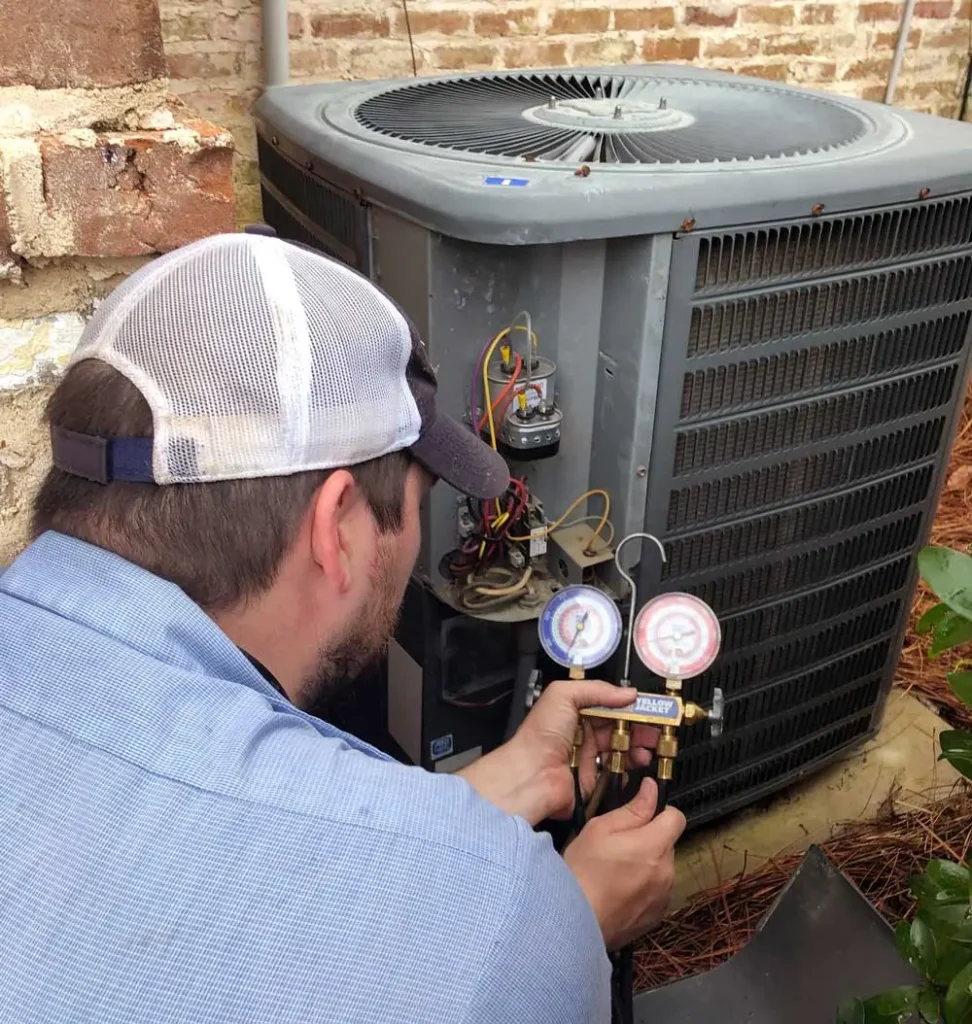
Summer in los angeles hits hard and fast. One day you’re fine, the next your AC is making weird noises and blowing warm air. Different parts of the city have different problems, but when it’s 95 degrees outside, everyone needs their cooling system working. When Your Unit Shows Clear Warning Signs That grinding sound coming from your AC? Not good. Warm air when you’ve got the thermostat set to cool? Even worse. AC replace near me searches spike when units start acting up and for good reason. Here’s the thing – your electric bill tells the real story. When an older system starts working overtime just to keep things comfortable, you’ll see those monthly costs creep up. Units that are 15 years or older just can’t compete with newer technology. And if you’re calling for repairs every few months? That’s your wallet talking. Sure, one fix might solve a problem. But when the repair guy knows your address by heart, it’s time to think about replacement instead of another temporary fix. Different LA Neighborhoods Need Different Solutions Living near the beach sounds great until the salt air starts eating away at your outdoor unit. Venice and Manhattan Beach folks know this struggle well. That ocean breeze feels amazing, but it’s tough on metal components. AC replace near me becomes a common search for Valley residents too. When it hits 105 degrees in Woodland Hills or Northridge, older systems just give up. They weren’t built for that kind of heat day after day. Now, if you’ve got a house in Los Feliz or Silver Lake, you’re dealing with a whole different set of issues. Those beautiful old homes often need electrical work before you can even install a modern unit. The ductwork might need updating too. Building owners throughout the city face their own headaches. Multiple units going down during a heat wave? That’s expensive and stressful for everyone involved. Size Matters More Than Most People Realize Bigger isn’t always better when it comes to AC replacement. An oversized unit will cycle on and off constantly, waste energy, and leave your house feeling humid even when it’s cool. On the flip side, a unit that’s too small runs nonstop and never really gets the job done. Your electric bill goes through the roof because the system never gets a break. The smart move? Get a proper load calculation done. This figures out exactly what size unit you need based on your home’s square footage, insulation, windows, and local weather patterns. AC replace near me professionals should always do this step – if they don’t, find someone else. Energy Efficiency Changes Everything Today’s AC units blow older models out of the water when it comes to efficiency. A new unit with a SEER rating over 16 will cost way less to run than something from 10 years ago rated at 10 or below. Variable-speed compressors are pretty cool too. Instead of running full blast all the time, they adjust based on what your house actually needs. Less energy, better comfort. And smart thermostats? They learn when you’re home and when you’re not. No point cooling an empty house all day, right? Professional Installation Makes the Difference Look, installing an AC unit isn’t a weekend DIY project. You need special licenses to handle refrigerant, and the electrical work requires permits. AC replace near me searches should lead you to licensed contractor, not YouTube tutorials. Experienced pros know the local code and can spot problem before they cost you money. Plus, proper installation keeps your warranty valid and helps the equipment last longer. Final Words Every part of LA has its own AC challenges. Salt air, extreme heat, old houses there’s no universal solution. But getting the right professional assessment beats guessing every time, especially when summer temperatures show no mercy.
Future-Proofing LA Commercial Heat Installs with Smart Tech
Los Angeles businesses need heating systems that won’t break down in a few years. Smart technology turns basic heating setups into systems that actually last. Building owners who skip this upgrade usually regret it when their energy bills go through the roof. Why Smart Tech Matters for Commercial Heating Old-school heating systems work fine until they quit on you. Smart technology gives you control options that just didn’t exist before. These systems learn your building’s patterns and adjust temperatures on their own. Here’s what property managers love most they can monitor everything remotely. No more nasty surprises when the heating dies during the busy season. Smart sensors watch your system around the clock and send alerts when something’s not right. This stops expensive emergency repairs before they happen. But energy savings make the biggest difference. Commercial heating installation Los Angeles projects with smart tech can slash utility costs by 20-30%. Essential Smart Features for LA Buildings Zone control systems are huge for LA commercial spaces. Different areas need different temperatures throughout the day. Think about it conference rooms get packed during meetings but sit empty for hours. Smart zones heat areas based on who’s actually there. Predictive maintenance takes all the guesswork out of keeping things running. Sensors check motor vibrations, filter conditions, and airflow. The system flags problems weeks before they turn into disasters. Way better than waiting for something to completely break down. Weather integration just makes sense here in LA. The system pulls local weather data and adjusts heating schedules automatically. Those random warm days in February? Your system already knows and won’t waste energy heating an empty building. Mobile apps let building managers control everything from anywhere. Stuck in traffic but need to adjust the lobby temperature for an evening event? Just pull out your phone and it’s done. Installation Considerations for Smart Systems Commercial heating installation Los Angeles projects get more complex when you add smart features. Older buildings need network upgrades to handle all the connected devices. You’ll need ethernet cables, Wi-Fi boosters, and dedicated circuits it all adds up. Compatibility is bigger deal than most people think. New smart controllers have to work with your existing HVAC equipment or you’ll end up with an expensive mess. Good installers check your current equipment before suggesting specific smart upgrades. Training your building staff prevents headaches later on. Smart systems pack a lot of features, but someone needs to know how everything works. Most companies throw in basic training when they do the installation. Getting everything to work with your building management systems creates the most value. Smart heating shouldn’t run separately from your other building systems. When heating, fire safety, security, and lighting all talk to each other, everything runs smoother. Cost vs. Benefits Analysis Smart commercial heating installation Los Angeles costs more upfront but saves money over time. Basic smart upgrade add about 15-25% to standard installation costs. Full automation with advanced features bumps it up 40-50%. Energy savings usually pay for the upgrades within 3-4 years. Lower maintenance costs make it happen even faster. Equipment lasts longer when smart systems prevent overheating and catch problems early. Property values go up with smart building features too. Modern tenants expect connected system and energy-efficient operation. Buildings without smart technology look old compared to newer competitors. Final Words Smart technology turns basic commercial heating installation Los Angeles into smart investments. Building owners who add these upgrades get better control, save money, and future-proof their properties. The real question isn’t whether to add smart features it’s figuring out which ones give you the most bang for your buck.